In brief
The Democratic Republic of Congo (DR Congo) is grappling with its second-worst Ebola outbreak, reaching over 1,500 deaths and a starkly faster spread. Across the border in Uganda, a nation that has faced nine Ebola outbreaks since 2000, only 20 cases and two deaths have been recorded. Uganda’s success stems from years of learning, robust contact tracing, pre‑built treatment facilities, and a decisive emergency border closure. The difference highlights how prior preparedness and quick mobilisation can stem viral spread even when neighbouring countries hit harder.
Why Uganda seems to be winning the battle against Ebola as virus spreads in DR Congo
They are seeing the world at odds: DR Congo’s second‑worst Ebola outbreak has now claimed more than 1,500 lives, with the disease moving at a startling speed. Decades after the first case in the region, the current epidemic – declared in May – lags behind previous record–setting kills, yet the current numbers are hovering above 2,000 deaths in total.
Across the border, Uganda has been grappling with its 20 confirmed cases that all stemmed from the outbreak, and only two fatalities. The country's health minister has called the last release of a patient “a moment of joy.” The difference is striking, and the crucial lesson is clear: Uganda's experience with repeated Ebola outbreaks has paid off.
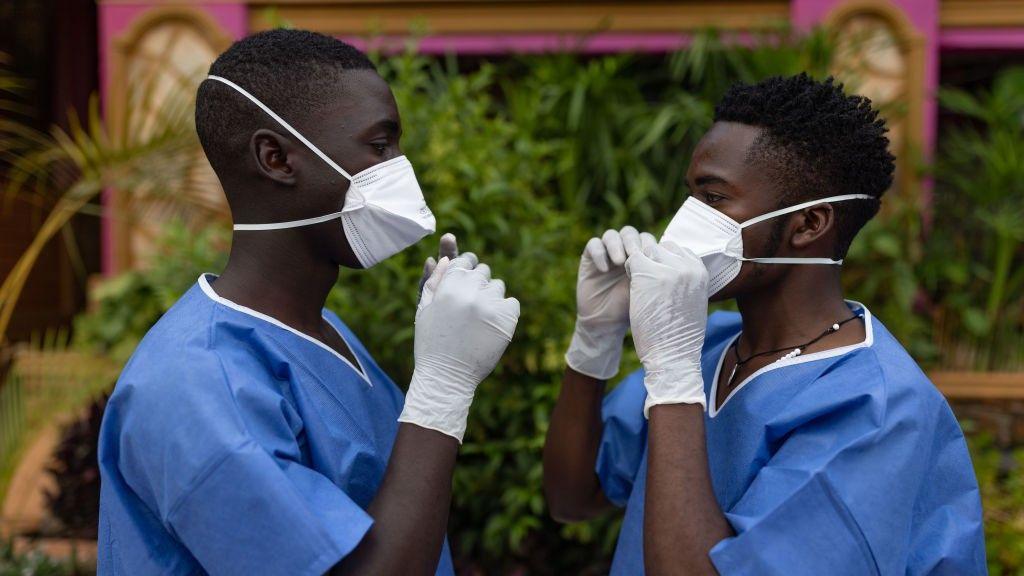
Uganda’s first case was a man who had crossed into Kampala for treatment. Immediately after confirming an outbreak, Ugandan officials opened a dedicated treatment centre at Mulago Hospital, using stockpiles left from last year’s emergency. Linda Kaggwa, head of the centre, told reporters that the response took less than a day, thanks to pre‑established protocols.
Uganda measures a high standard of surveillance. Outreach workers track contacts in a 21‑day incubation period, and the country has quarantined over 6,000 contacts. That quick isolation has cut the risk of community transmission drastically. By contrast, DR Congo’s remote Ituri region is beset by conflict, neighbouring rebel groups, and a porous border that hampers contact tracing.
For Uganda, past experience has meant that the government knows how to react. A 12‑year‑old patient’s death in 2011 prompted an isolation‑driven protocol that allowed for the quick containment of a confirmed Ebola case. ‘We know Ebola and can do it right,’ one spokesperson said.
That expertise has extended beyond borders. Uganda is sending medical teams to DR Congo, recognising that the health of neighboring populations matters if an outbreak reignites. The government’s clear strategy – enhanced screening, strict border controls, and community education – spearheads its success.
Public cooperation also plays a vital role. In Uganda, people stay vigilant, obsesses with hand-washing, and follow protective protocols because the lesson has been ingrained in the national memory of previous Ebola events.
In the meantime, DR Congo continues to fight an outbreak that is both faster and more widespread. Policy makers signal that they are battling an epidemic that has deepened logistical challenges and human conflict. Infectious disease management in the region is, as current reports suggest, a tough fight uphill.
If Uganda’s swift, humble response serves as a model, it shows we can turn a future outbreak into a manageable event – not a harrowing pandemic – if the world invests in learning from the past.