In brief
Searing heatwaves in Bundelkhand’s semi‑arid plateau expose a long‑standing caste divide as Dalit villagers struggle to access scarce water. Senior community members are forced to wait for dominant‑caste families, while the local government cites widespread water shortages spurred by climate change. Police reports reveal assault claims linked to water access, though officials deny systemic bias. Experts say climate is only a multiplier of older injustices, and more water alone will not erase caste‑scrutinized inequities. As the region battles heat and drought, its hydrologic crisis intertwines with social exclusion.
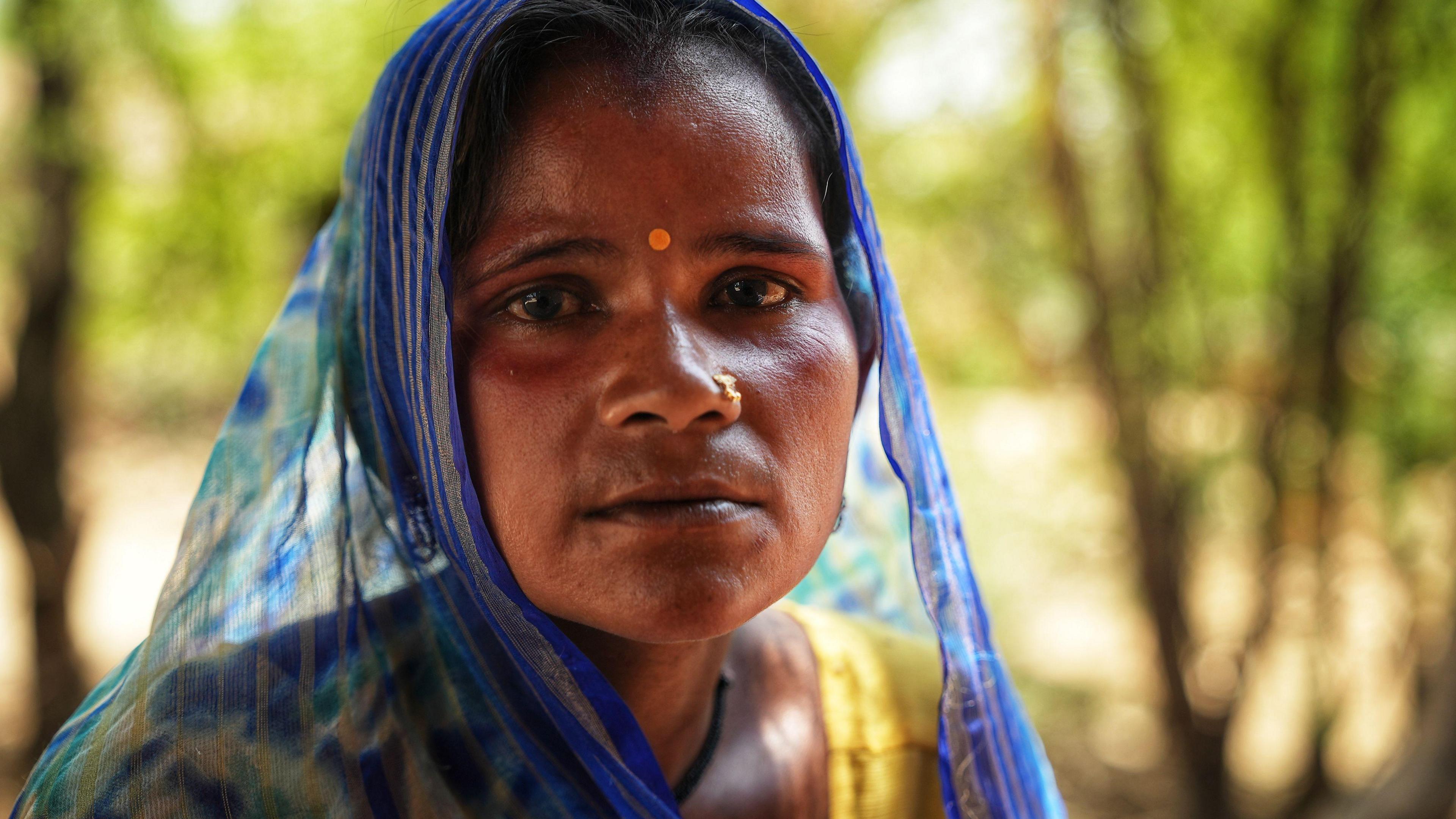
For a 40‑year‑old Dalit woman named Mamta, the summer of 2026 has turned each water trip into a test of endurance and separation.
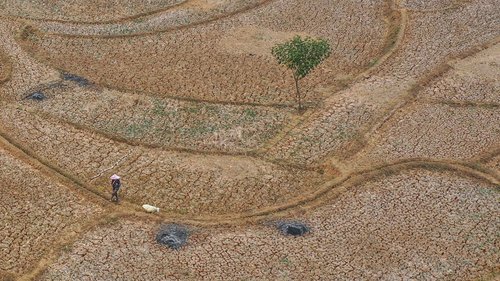
The village of Kalpi sits in Jalaun district, Bundelkhand—a region famed for its rocky terrain and low groundwater reserve. Two taps under a national drinking‑water scheme have been dry for two years, leaving about one thousand villagers, and a family of eleven, to depend on a handful of handpumps that are well‑sprinkled around the hamlet.
On a blistering morning, Mamta walks with three empty plastic buckets to a nearby handpump and finds it occupied by dominant‑caste villagers. She waits until the others finish, fearing that her own bucket will be denied or that she may be targeted. In a system where caste hierarchies persist, handpumps can become micro‑frontiers of injustice.
Reports highlight that upper‑caste residents sometimes pour water over pumps, “cleanse” them, and deny Dalit families access. The Jairat skill of Dombut and the Bundelkhand’s surroundings illustrate a classic scenario where poverty and ecological stress intersect with entrenched social divisions.
Residents echo that as the heat rises, the scarcity of water amplifies old tensions. “Conflict over water is not new,” said environmental analyst Mitashi Singh, noting the role of hotter summer temperatures in intensifying existing caste divisions.
Officials in the district counter the perception of caste exploitation. “There is no systematic discrimination at handpumps,” stated a local official who pointed to abandoned village wells that have been dry for decades. Yet the very claim of multiple assault cases—listed by an independent Dalit advocacy group, recording 113 complaints in 2025—suggests a deeper, systemic problem.
In shadow of the Jal Jeevan Mission and various water restoration campaigns, the number of ponds and recharge ditches has grown. Women‑led groups, called Jal Sahelis, now monitor water usage and protect the modest supplies they keep. Still, the scarcity of water only offers a patch if the caste‑based status remains unaltered.
When heat reaches its peak, villagers say water is limited to a few minutes’ window. That day at the handpump, Mamta’s bucket is one of many waiting. As darkness falls, she returns home, becomes the longing for more water. Her story is mirrored on a hill a 50‑kilometre distance where, among others, a man named Shiv tells he returns to handpumps at dawn or dusk to avoid clashes.
Unclosed allegations of physical assaults over access to drinking water, highlighted by the story of Muskin mother Parmi Devi, underline how water can turn into a weapon of class violence. Despite official denials, the evidence of attacks suggests a dangerous intersection between resource scarcity and caste bias.
Climate change is only a “threat multiplier” that turns ordinary struggles into extraordinary crises, epidemiologist Mukul Sharma explained. Gaps remain where social policies cannot abate the condition that cultivated caste often dictates who receives water and who suffers a lack. Bundelkhand’s story reminds policymakers that clean water supply is an ingredient in human rights; it is not an “end‑to‑end” solution unless society’s structural divisions are addressed.
In conclusion, as Bundelkhand faces some of the highest recorded temperatures—nearing 48 °C in recent summers—so do its communities, subject to uphill fights for a life‑sustaining resource. The decade closing on a new justice framework, the intersection where water comes under a caste‑based lens, can still be remedied with concerted action toward inclusive water management and the dismantling of discriminatory social norms.