In brief
The brutal conflict in Sudan has left countless newborns unregistered, with no birth certificates or national numbers. A 17‑year‑old mother, Amira, holds her infant who cannot be vaccinated, enrolled, or recognized due to the absence of a father’s identity. Humanitarian efforts highlight the gap in civil registration, the stigma surrounding rape‑related births, and the urgent need to restore civil registry services for displaced communities.
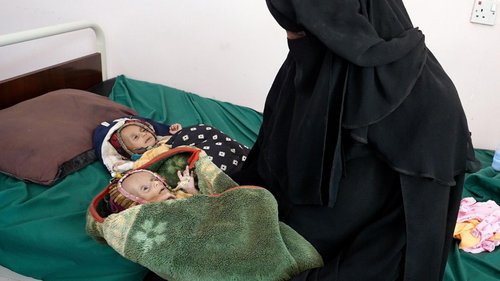
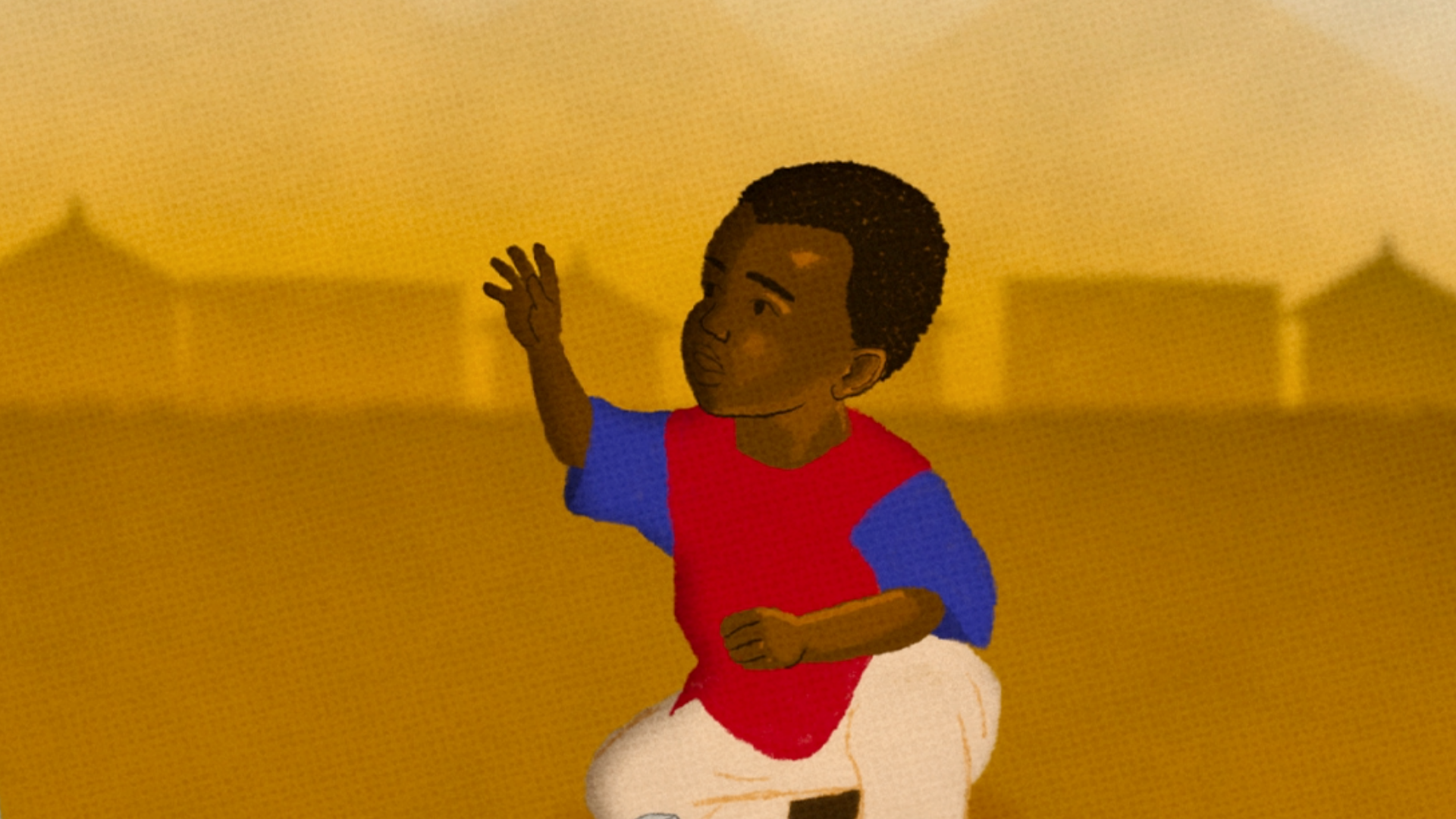
In war‑torn Sudan, a hidden crisis is unfolding—infants are being born with no birth certificates or national numbers. The result of conflict, rape, and the absence of a father’s identity leaves many children in a legal limbo that denies them basic rights.
Amira, a 17‑year‑old mother, explains how she found herself unable to register her son’s birth: “I have no dad’s name, so the hospital requires details that don’t exist.” Without a birth certificate, her son cannot be vaccinated, enrolled in school or even recognized as a citizen.
The struggle is not unique to one family. According to Abu Bakr Yousif Yaqoub, director of protection programmes at the Nada Al‑Azhar Foundation, this situation mirrors millions across Sudan: when a father is missing or unknown, registering children becomes nearly impossible. The lack of documentation also means lost access to education, healthcare and legal protection as mortality rises in conflict zones.
Humanitarian organisations highlight the compounded trauma: many mothers are themselves under 18 and fear reporting sexual violence. Too often families refuse to take official steps, leaving children without legal status and perpetuating a cycle of vulnerability.
Sudan’s Child Act of 2010 allows registration of children born outside marriage—yet it relies on a mother’s willingness to report assault, a step many girls cannot afford without a guardian. Protesters call for civil registry offices to reopen and legal frameworks to support orphaned or unregistered children. Until these systems are restored, children like Amira’s will remain invisible to law and society.