In brief
The ongoing tensions and aggressive actions between the US, Israel, and Iran signal a significant shift in traditional norms governing international conflicts. With threats of strategic attacks on civilian-involved infrastructures and the retaliatory actions by Iran against neighboring Gulf states, experts highlight the urgent erosion of the rules-based global order established to protect civilians and prevent unprovoked warfare.
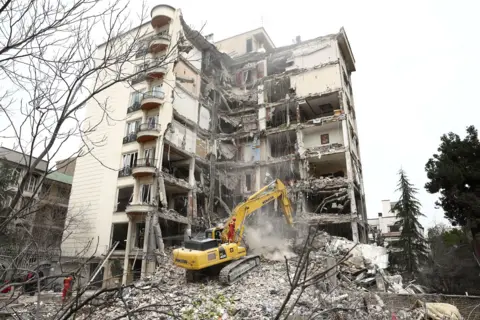
The US-Israeli attacks against Iran, alongside threats to its energy infrastructure, have prompted analyst concerns that the norms surrounding initiation and escalation of international wars have changed dramatically. President Donald Trump has publicly threatened to use extreme force against Iranian energy facilities, stating intentions to 'obliterate' Iranian power plants if necessary, exacerbating tensions in the region.Luis Moreno Ocampo, former chief prosecutor of the International Criminal Court (ICC), stated that these actions constitute a 'crime of aggression' under international law, indicating a grave shift away from rules designed to protect civilian life in wartime. Moreno Ocampo references both the war in Iran and recent actions by Russia in Ukraine to exemplify this violation.As Iran retaliates against its Gulf neighbors, experts argue the conflict poses unprecedented challenges to maintaining a rules-based international order. Furthermore, as the US and Iran continue to engage in hostile rhetoric, the urgent need for coalition building to navigate the Strait of Hormuz has become increasingly critical but remains unaddressed amid rising distrust in US leadership.The White House maintains an aggressive stance, dismissing critiques of US foreign policy while reiterating efforts to counteract what it classifies as a rogue regime in Iran. As military actions escalate, concerns grow over the consequences of targeting civilian energy infrastructure and the broader implications for the stability of the Middle East.