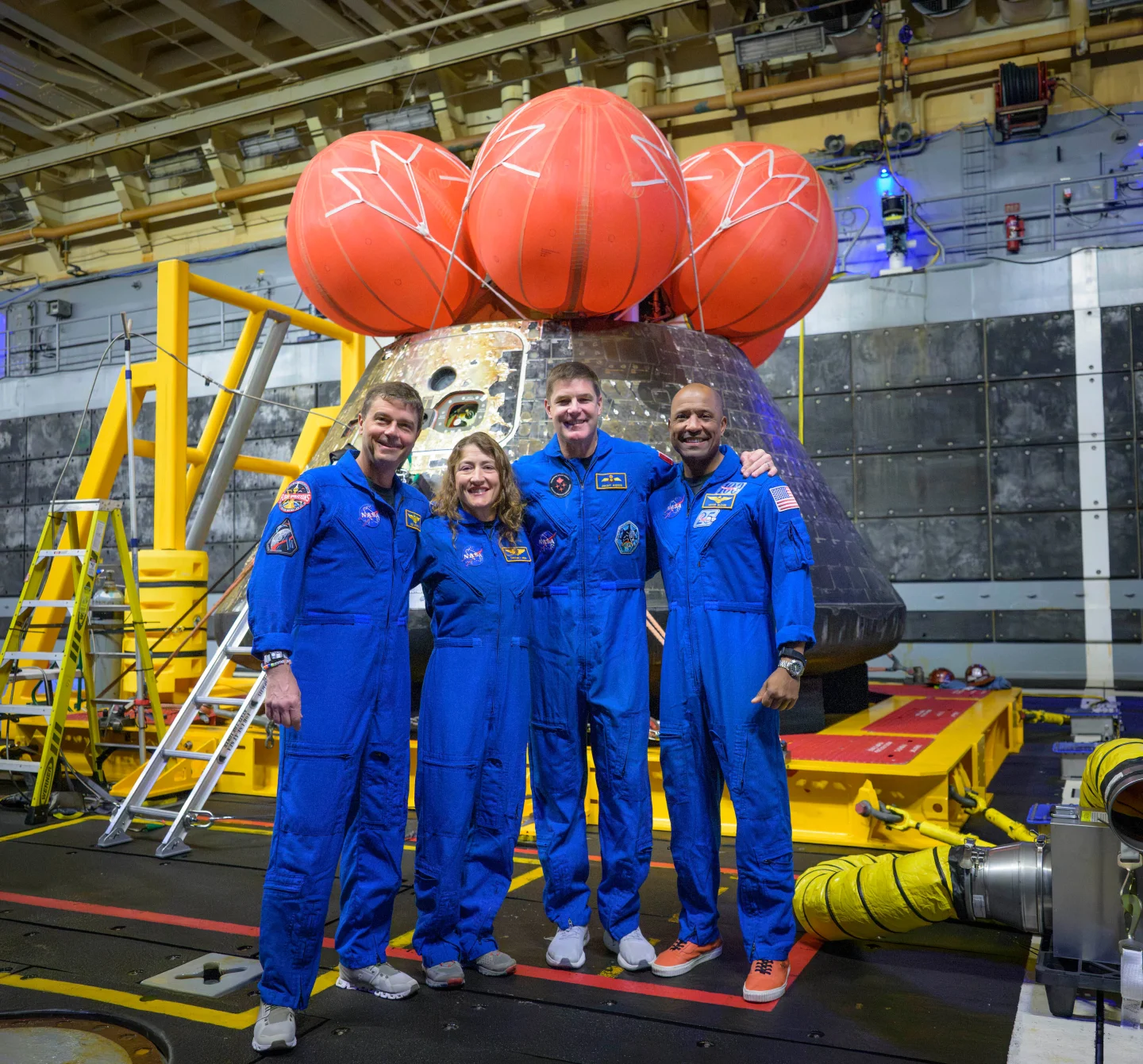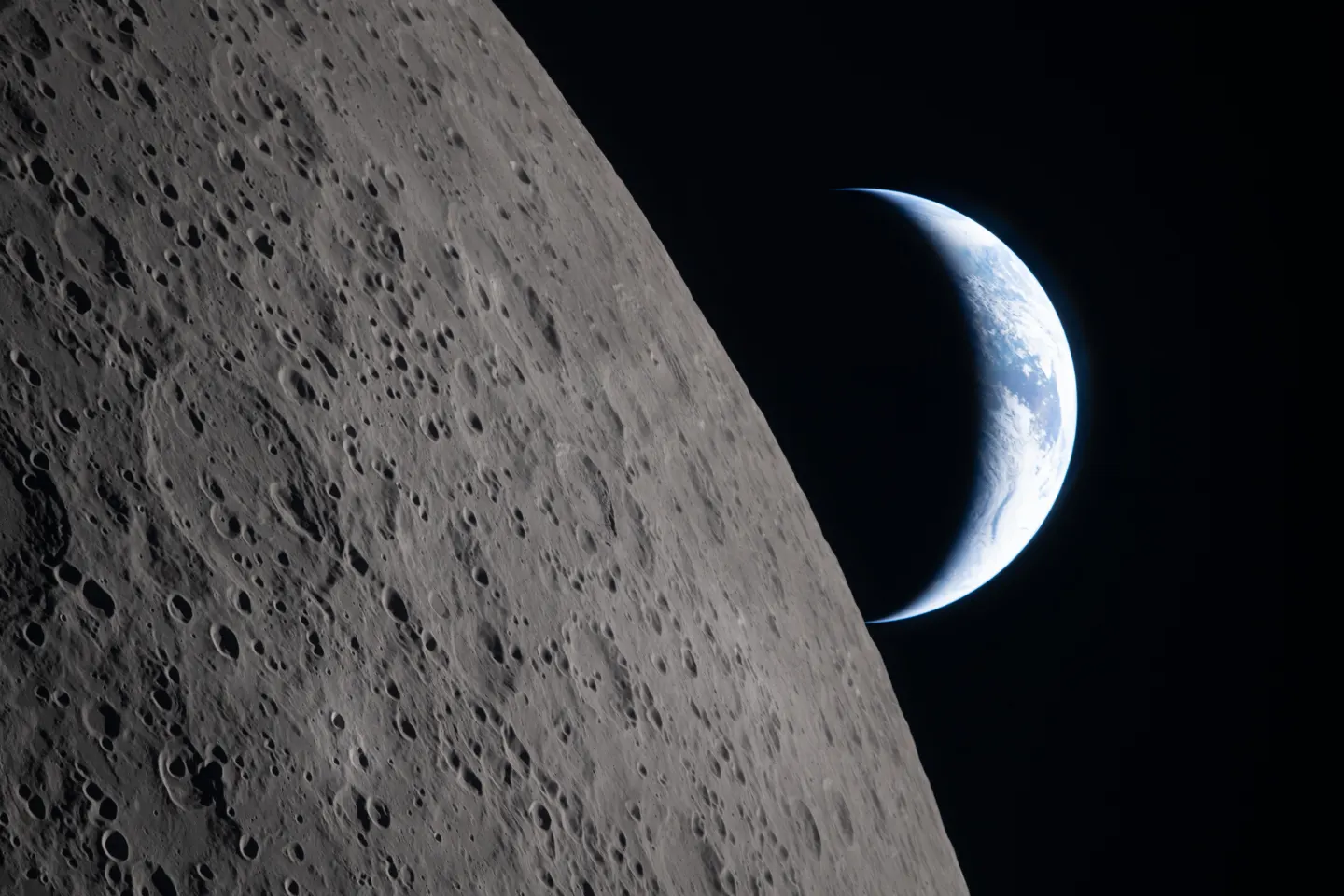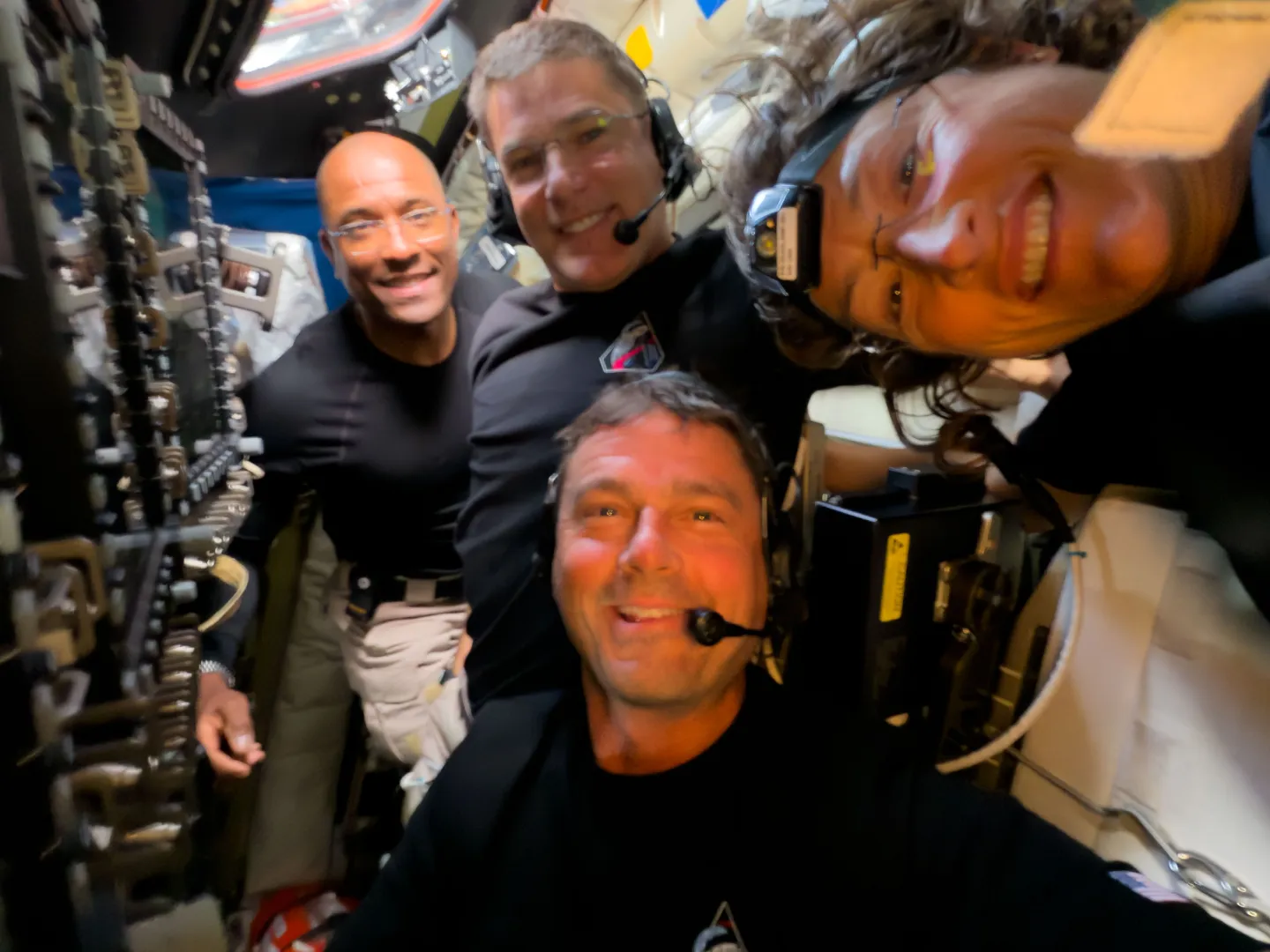
NASA's Artemis II mission has passed every major test since its launch on April 1, with its rocket, spacecraft, and crew performing better than engineers had dared to hope for. The mission's first six days have shown that the Orion capsule works as designed with people on board for the first time—something no simulator could prove. Perhaps its greatest achievement, though, is through the actions of the Artemis crew, which have generated hope, agency, and optimism for a world appearing to be in desperate need of inspiration.
But the bigger question remains—is a Moon landing by 2028, as NASA and President Trump want, now really an achievable goal?
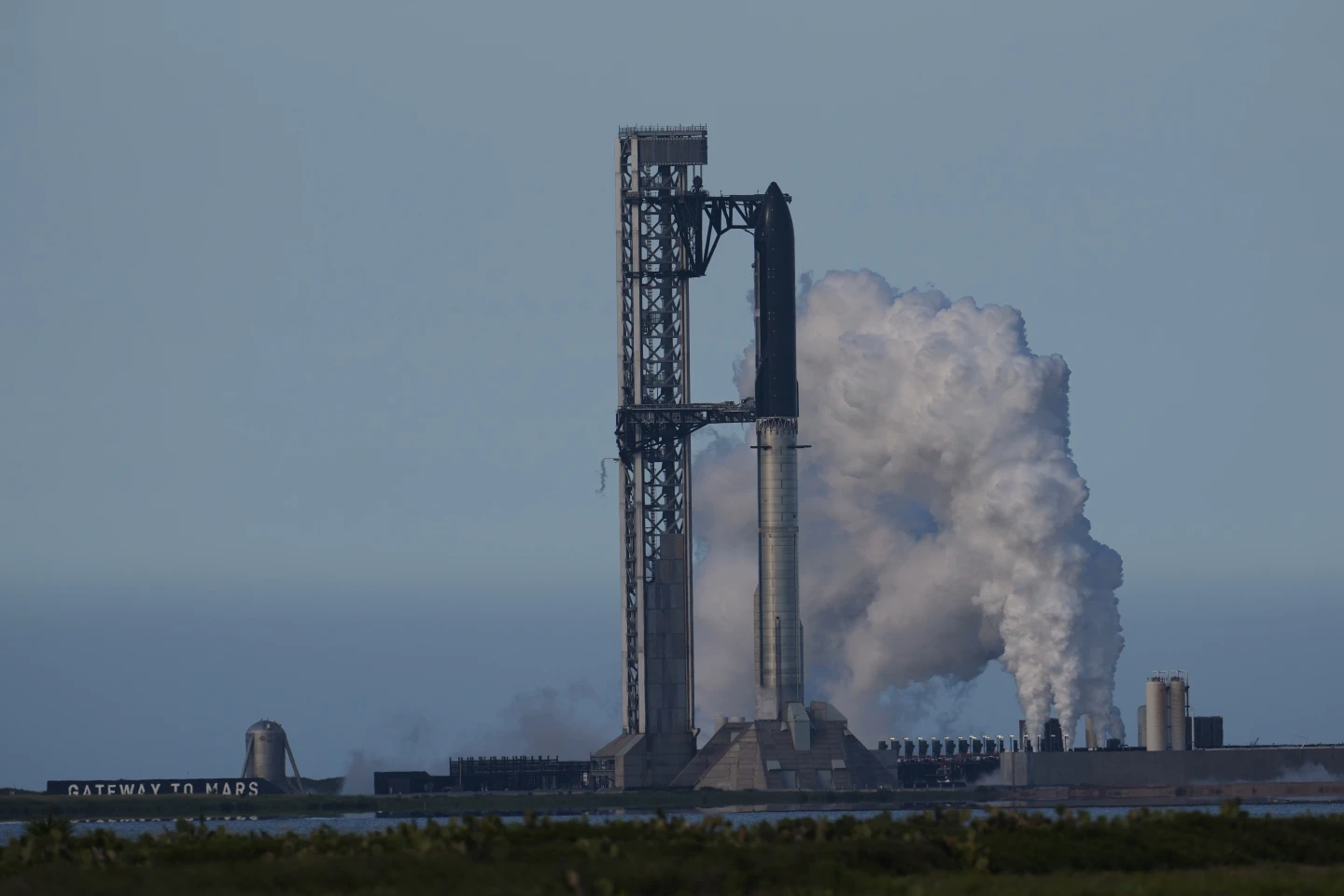
A few days after NASA's Space Launch System (SLS) reached the launch pad at Kennedy Space Centre, the most important lesson about Artemis II had already been learned. After two scrubbed launches in February and March due to separate technical issues, NASA Administrator Jared Isaacman stressed that “launching a rocket as important and as complex as SLS every three years is not a path to success.”
The agency had to stop treating each rocket like a work of art and start launching with regular frequency. This declaration reframed everything that has followed, and after the first week since Reid Wiseman, Victor Glover, Christina Koch, and Jeremy Hansen lifted off, it's clear that the mission has exceeded the optimism of even its most ardent supporters.
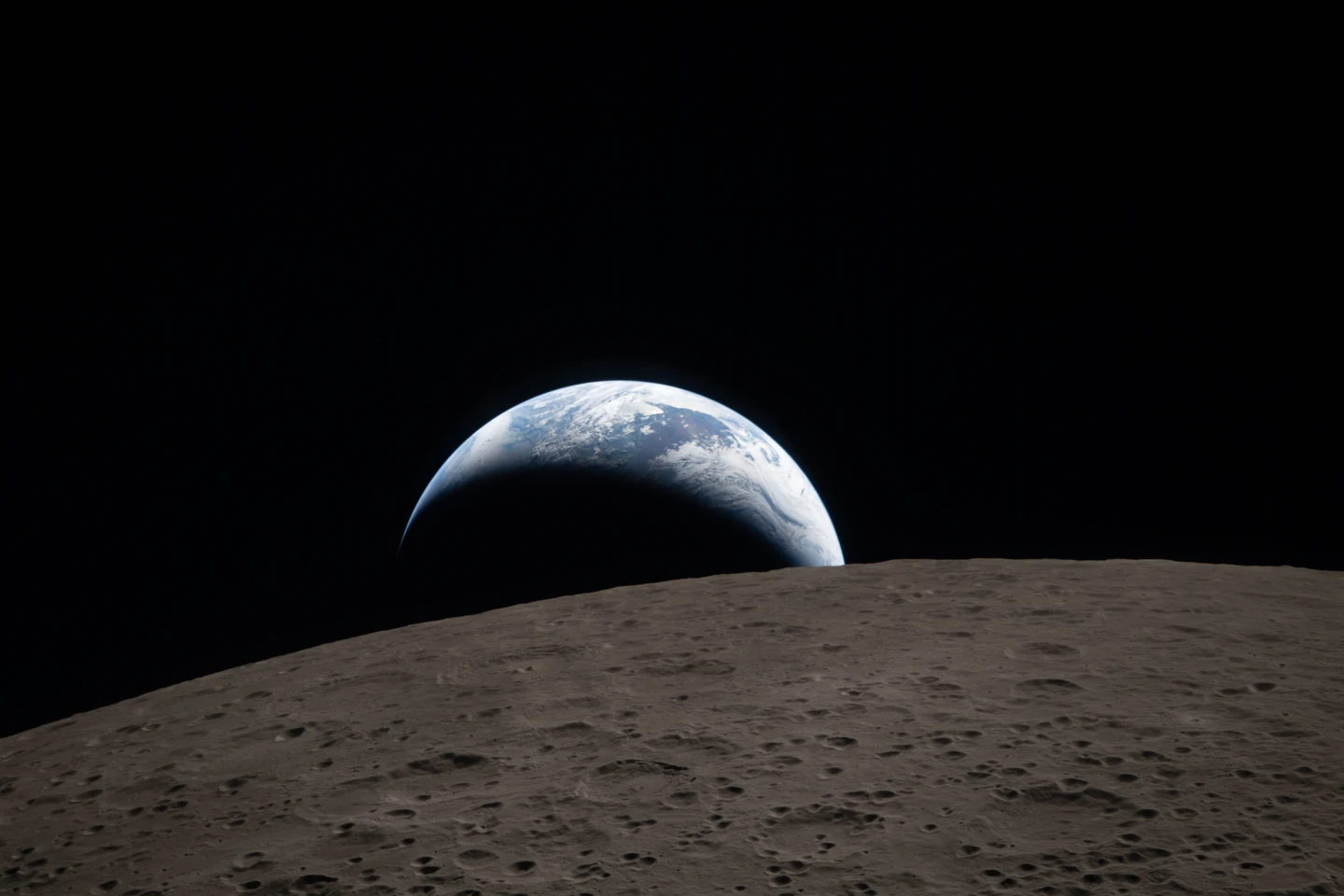
The SLS generated 8.8 million pounds of thrust at liftoff and performed according to plan across every critical phase, while the Orion capsule has continued to maintain a trajectory towards the Moon without requiring additional course corrections. The mission has showcased the effectiveness of the crew's interactions with the spacecraft, gathering vital data on human-machine interfaces in space travel.
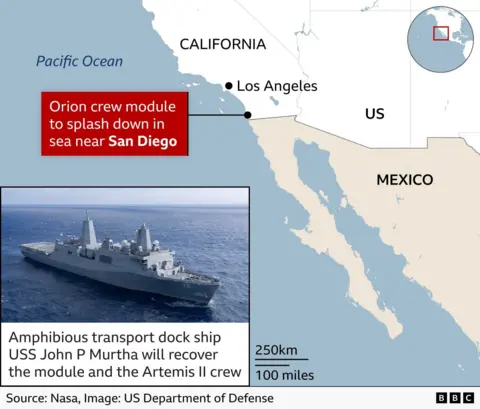
As they prepare for re-entry, currently scheduled for April 11, challenges remain, including the critical test of the heat shield that delayed progress after the Artemis I mission. Should re-entry be successful, Artemis II could pave the way for a tangible trajectory towards lunar landings. While the goal of landing on the Moon by 2028 seems ambitious, the successes of this mission have improved the prospects of achieving broader objectives in human space exploration. Artemis II signals hope and inspires a generation eager for new space exploration milestones.
But the bigger question remains—is a Moon landing by 2028, as NASA and President Trump want, now really an achievable goal?
A few days after NASA's Space Launch System (SLS) reached the launch pad at Kennedy Space Centre, the most important lesson about Artemis II had already been learned. After two scrubbed launches in February and March due to separate technical issues, NASA Administrator Jared Isaacman stressed that “launching a rocket as important and as complex as SLS every three years is not a path to success.”
The agency had to stop treating each rocket like a work of art and start launching with regular frequency. This declaration reframed everything that has followed, and after the first week since Reid Wiseman, Victor Glover, Christina Koch, and Jeremy Hansen lifted off, it's clear that the mission has exceeded the optimism of even its most ardent supporters.
The SLS generated 8.8 million pounds of thrust at liftoff and performed according to plan across every critical phase, while the Orion capsule has continued to maintain a trajectory towards the Moon without requiring additional course corrections. The mission has showcased the effectiveness of the crew's interactions with the spacecraft, gathering vital data on human-machine interfaces in space travel.
As they prepare for re-entry, currently scheduled for April 11, challenges remain, including the critical test of the heat shield that delayed progress after the Artemis I mission. Should re-entry be successful, Artemis II could pave the way for a tangible trajectory towards lunar landings. While the goal of landing on the Moon by 2028 seems ambitious, the successes of this mission have improved the prospects of achieving broader objectives in human space exploration. Artemis II signals hope and inspires a generation eager for new space exploration milestones.