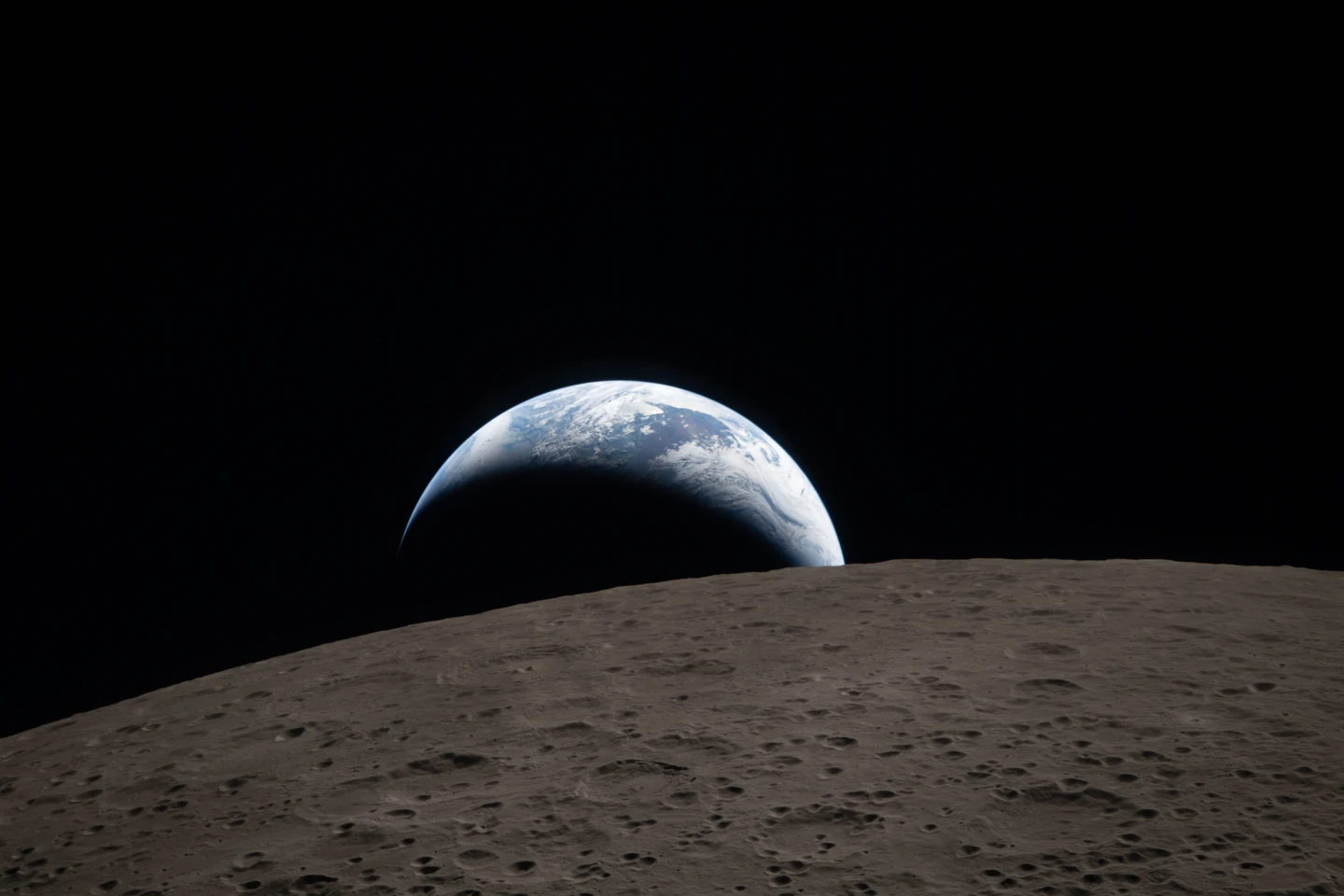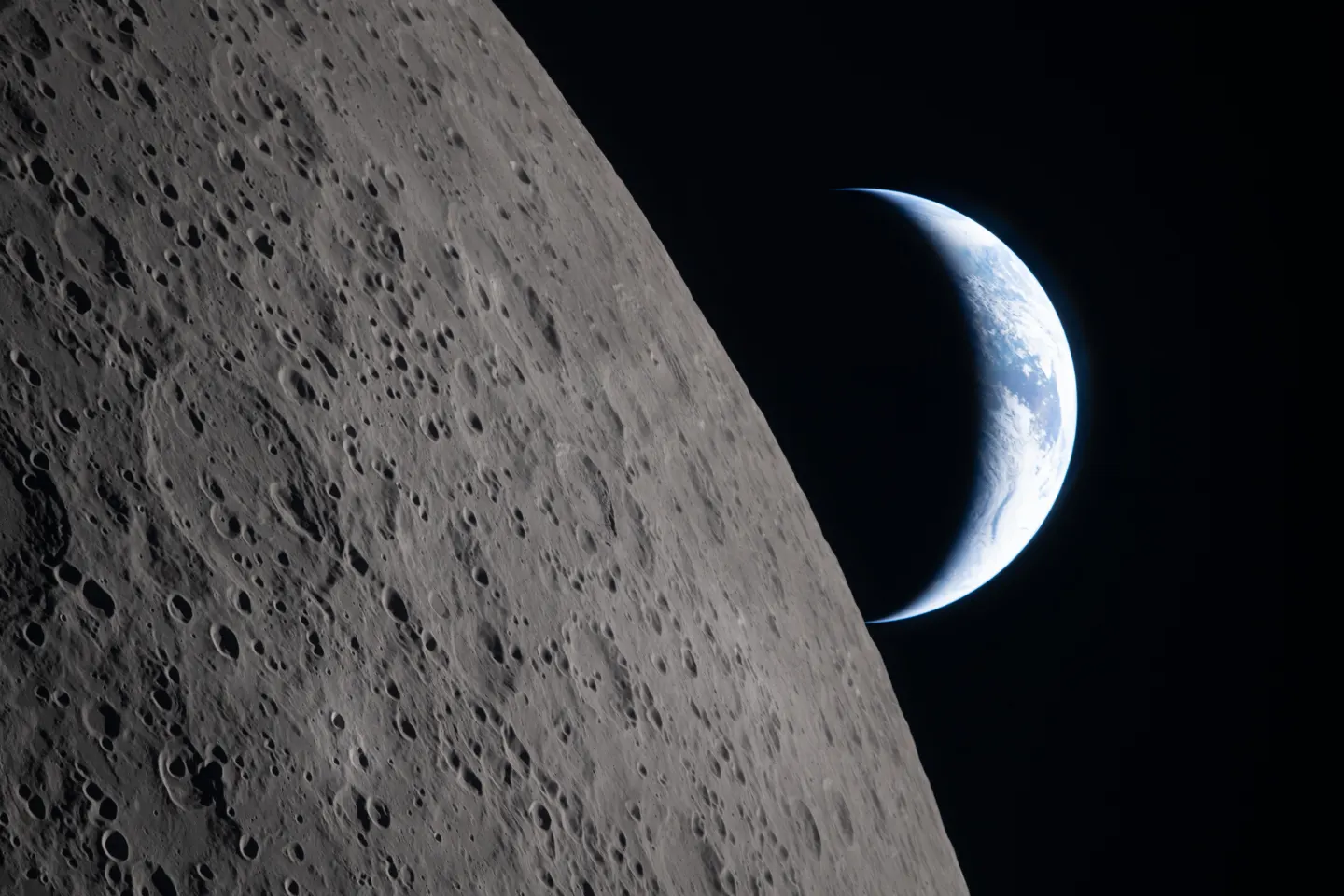
HOUSTON (AP) — As the moon looms closer than ever, the astronauts of Artemis II prepare for a groundbreaking six-hour flyby, aiming to capture breathtaking views of the lunar far side, unseen by the human eye before. This mission marks NASA's return to the moon since the Apollo era, involving a crew of three Americans and one Canadian, advancing toward the goal of landing near the moon's south pole in two years.
The flyby aims to break the previous distance record set by Apollo 13, with Artemis II expected to surpass it by over 4,100 miles. The mission utilizes a free-return lunar trajectory, reminiscent of Apollo 13's maneuver, allowing for gravity-assisted travel with minimal fuel usage.
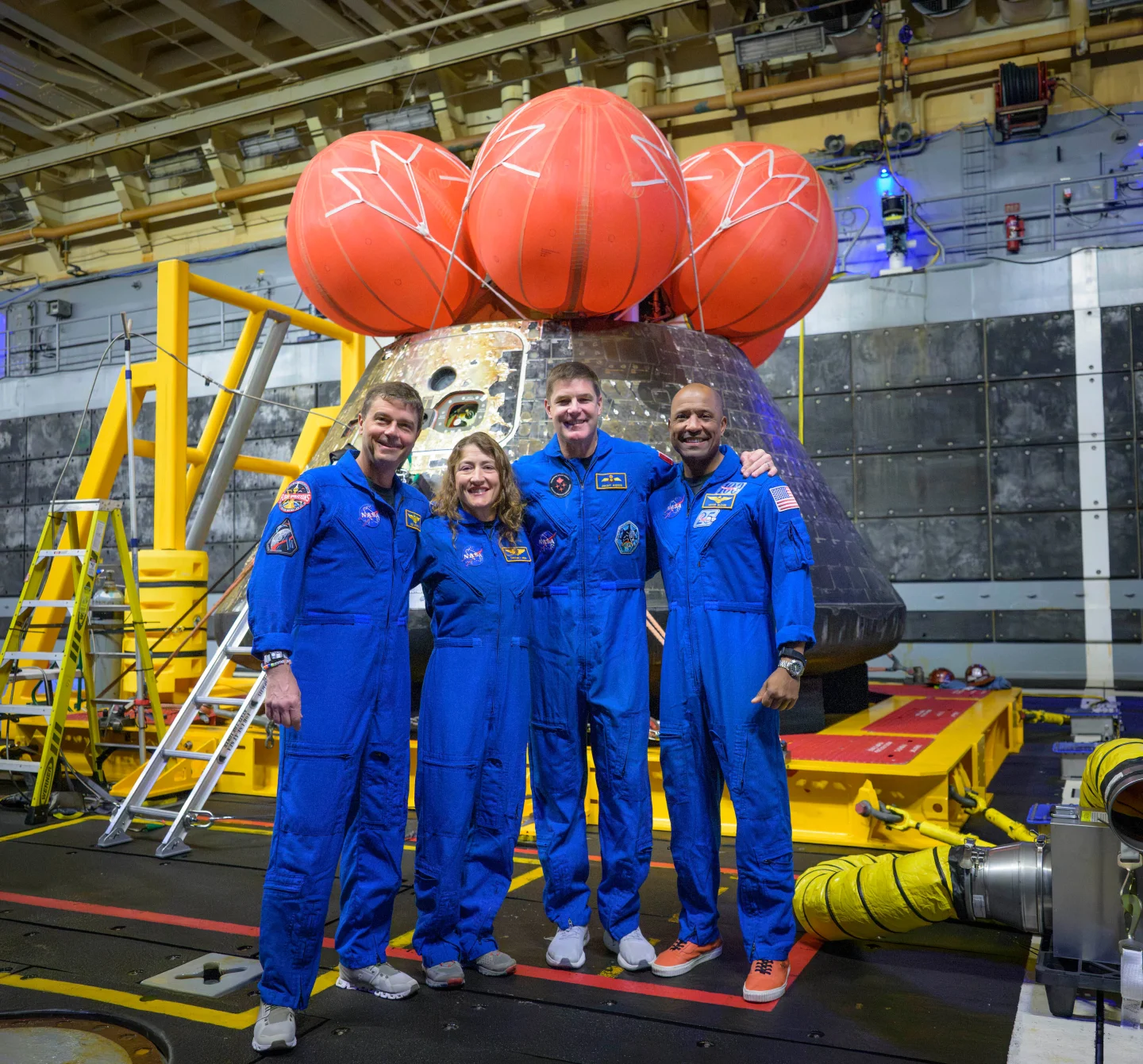
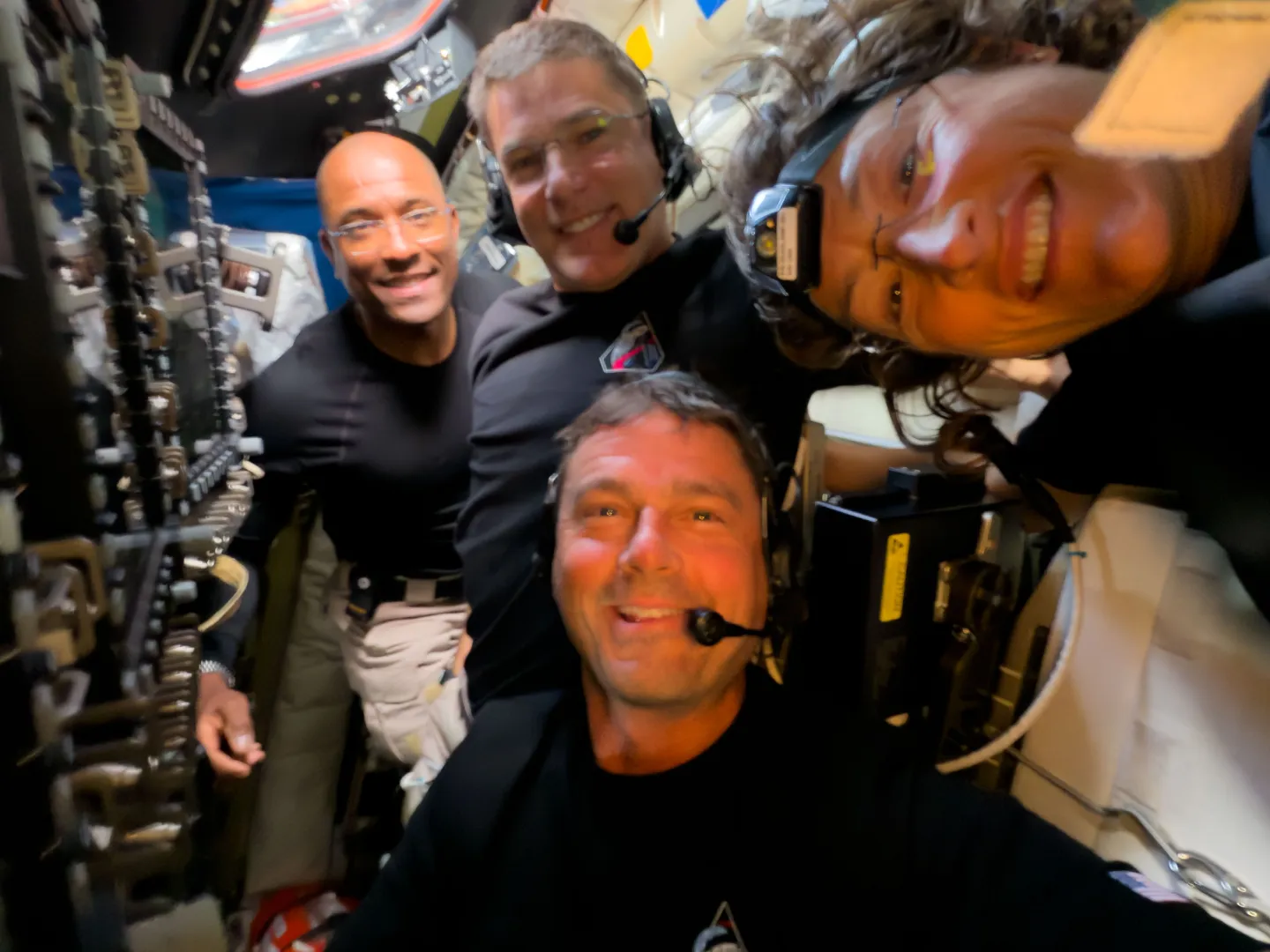
Under the command of Reid Wiseman, alongside astronauts Victor Glover, Christina Koch, and Jeremy Hansen, the crew will capture thousands of images of significant lunar formations, including the Orientale Basin and Apollo landing sites. They will have the unique opportunity to observe a solar eclipse as they pass behind the moon.
NASA geologist Kelsey Young highlights the mission's importance, stating, 'People all over the world connect with the moon.' It emphasizes the communal experience of humanity with our celestial neighbor. Artemis II sets the groundwork for future missions, leading to crewed lunar landings by 2028 and fueling global inspiration in space exploration.
The flyby aims to break the previous distance record set by Apollo 13, with Artemis II expected to surpass it by over 4,100 miles. The mission utilizes a free-return lunar trajectory, reminiscent of Apollo 13's maneuver, allowing for gravity-assisted travel with minimal fuel usage.
Under the command of Reid Wiseman, alongside astronauts Victor Glover, Christina Koch, and Jeremy Hansen, the crew will capture thousands of images of significant lunar formations, including the Orientale Basin and Apollo landing sites. They will have the unique opportunity to observe a solar eclipse as they pass behind the moon.
NASA geologist Kelsey Young highlights the mission's importance, stating, 'People all over the world connect with the moon.' It emphasizes the communal experience of humanity with our celestial neighbor. Artemis II sets the groundwork for future missions, leading to crewed lunar landings by 2028 and fueling global inspiration in space exploration.