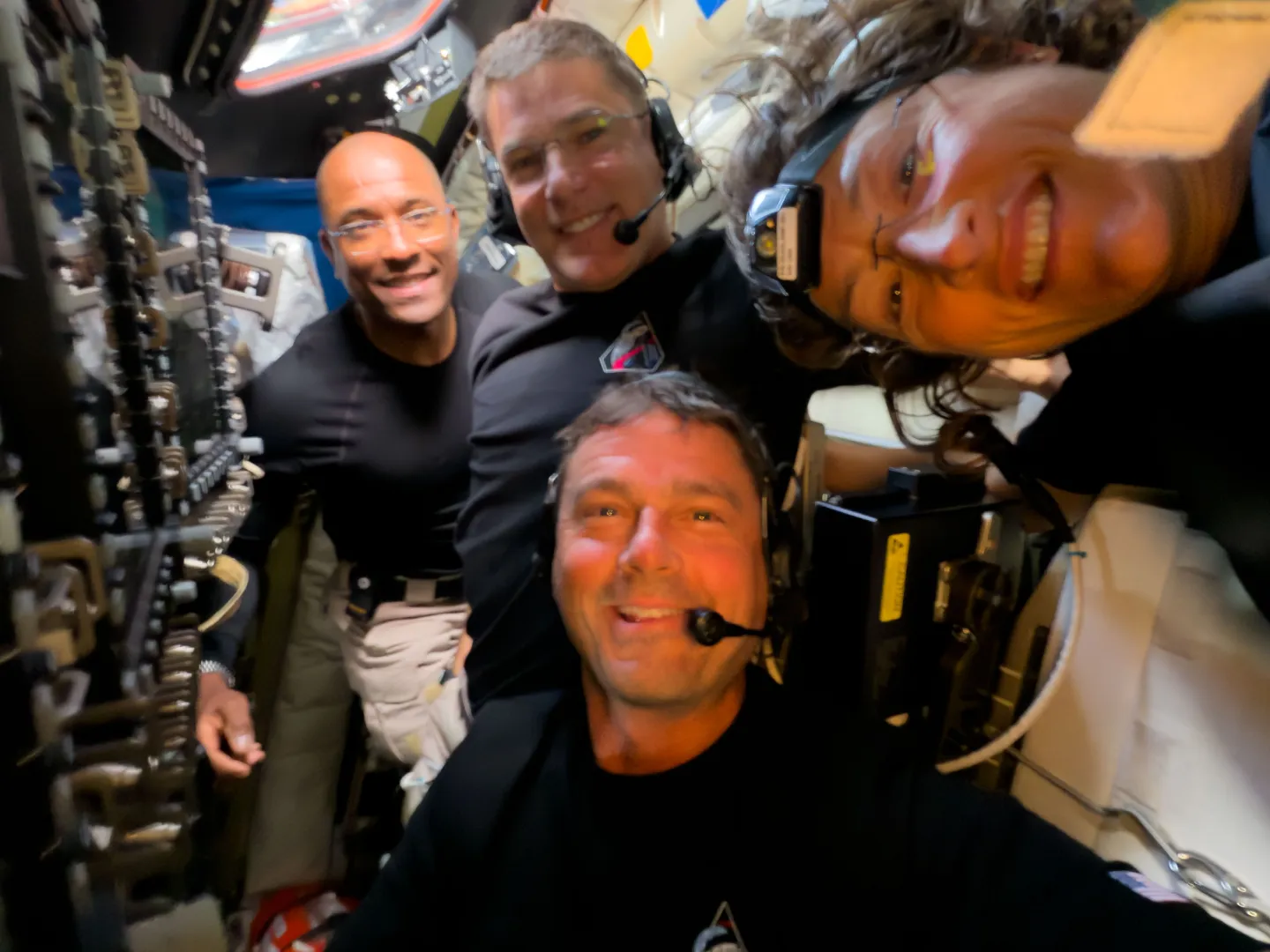
NASA's Artemis II mission has passed every major test since its launch on April 1, outperforming expectations with its rocket, spacecraft, and crew. The mission's initial days reinforced confidence in the Orion capsule's performance with human crew members aboard. Notably, the mission brings hope and optimism to a world in search of inspiration.
With significant achievements already celebrated, questions linger about the feasibility of a Moon landing by 2028, a goal touted by NASA and President Trump. Key lessons from Artemis II emphasize the importance of frequency in launching complex rockets like the Space Launch System (SLS). After overcoming two previous launch scrubs due to technical hiccups, NASA has made it clear that a more aggressive launch schedule is essential.
Artemis II represents a new approach, and mission analysts have acknowledged the successful performance of the spacecraft. Delivering 8.8 million pounds of thrust at liftoff, the SLS achieved all expected milestones effectively. The Orion spacecraft then executed a near-flawless translunar injection burn, from which two planned trajectory corrections were deemed unnecessary.
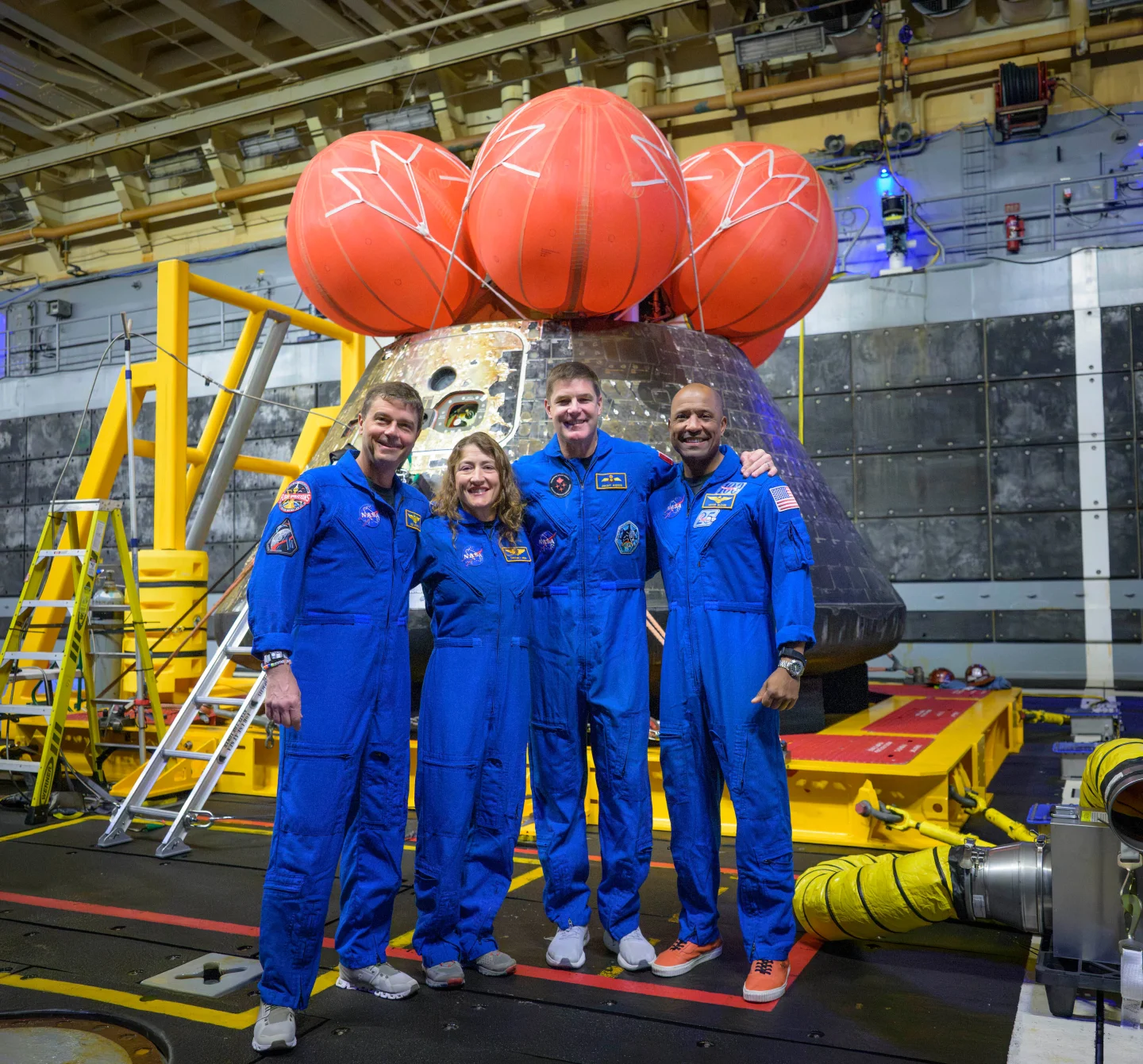
Interactions between the crew and the machine have provided insights outside the capacity of simulators. While some minor issues have been identified, the overall response and ability to handle systems have reinforced safety assessments for future lunar missions.
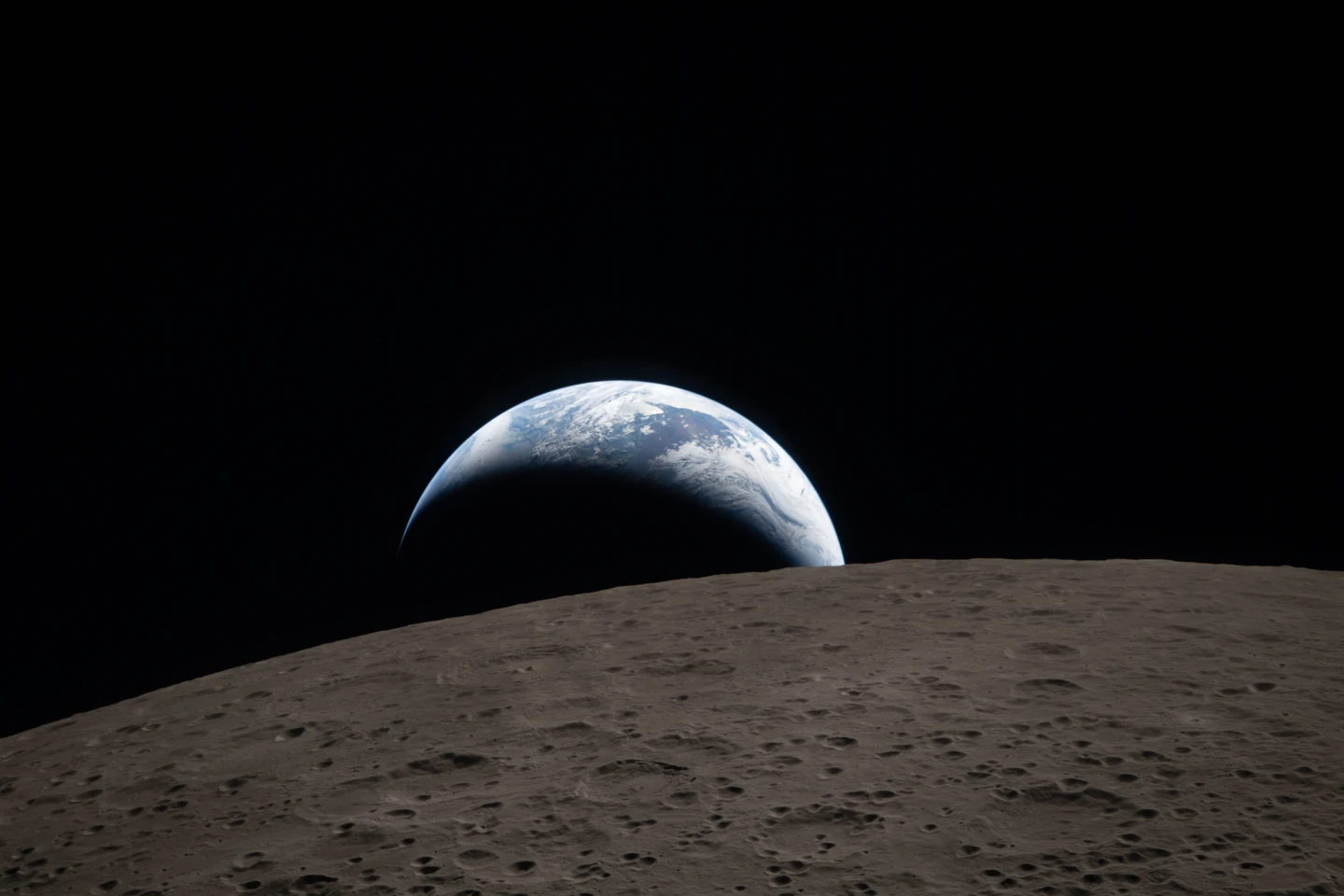
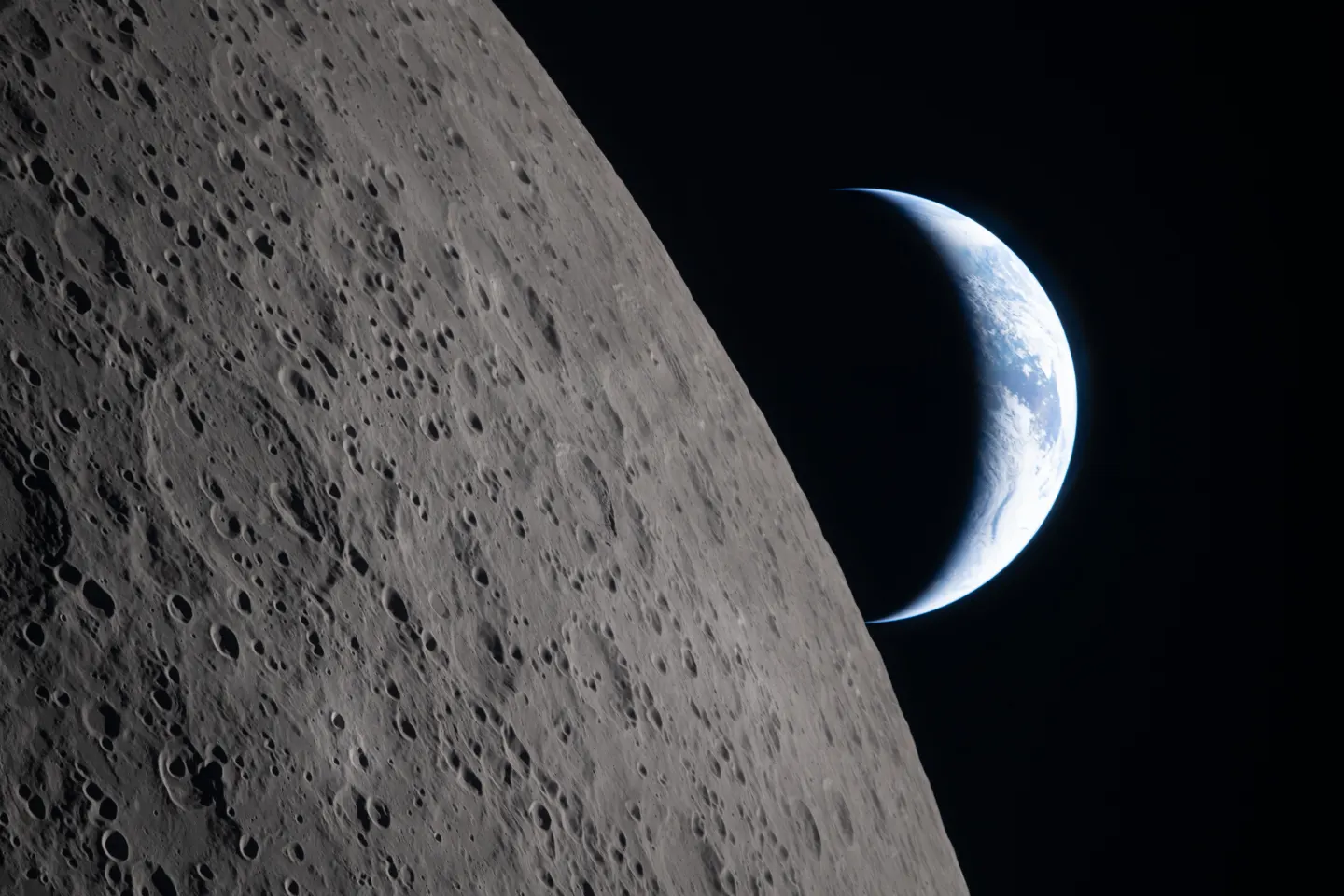
The crew's observations during the flyby yielded potential scientific returns, including a detailed look at lunar geological features. However, some experts criticize the extent of scientific advancement, noting existing advancements from robotic missions.
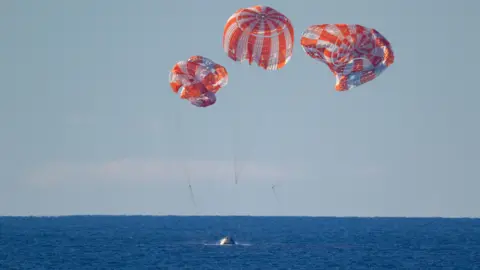
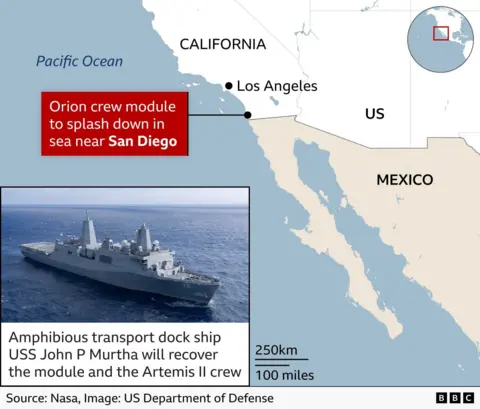
As Artemis II continues towards a crucial re-entry into Earth's atmosphere, the focus remains on ensuring the safety and reliability of the Orion capsule to solidify NASA's aspirations for lunar exploration. Looking ahead, while the aspirations of a Moon landing by 2028 feel optimistic, the successful execution of Artemis II increases the chances for a return to the Moon in the coming years.
With significant achievements already celebrated, questions linger about the feasibility of a Moon landing by 2028, a goal touted by NASA and President Trump. Key lessons from Artemis II emphasize the importance of frequency in launching complex rockets like the Space Launch System (SLS). After overcoming two previous launch scrubs due to technical hiccups, NASA has made it clear that a more aggressive launch schedule is essential.
Artemis II represents a new approach, and mission analysts have acknowledged the successful performance of the spacecraft. Delivering 8.8 million pounds of thrust at liftoff, the SLS achieved all expected milestones effectively. The Orion spacecraft then executed a near-flawless translunar injection burn, from which two planned trajectory corrections were deemed unnecessary.
Interactions between the crew and the machine have provided insights outside the capacity of simulators. While some minor issues have been identified, the overall response and ability to handle systems have reinforced safety assessments for future lunar missions.
The crew's observations during the flyby yielded potential scientific returns, including a detailed look at lunar geological features. However, some experts criticize the extent of scientific advancement, noting existing advancements from robotic missions.
As Artemis II continues towards a crucial re-entry into Earth's atmosphere, the focus remains on ensuring the safety and reliability of the Orion capsule to solidify NASA's aspirations for lunar exploration. Looking ahead, while the aspirations of a Moon landing by 2028 feel optimistic, the successful execution of Artemis II increases the chances for a return to the Moon in the coming years.