In brief
In light of the recent protests in Iran, the conversation surrounding U.S. intervention is increasingly pertinent. Iranian expatriates and supporters voice their perspectives on whether the U.S. should take action, citing the rising death toll and calls for regime change. While some demand foreign assistance to halt violence, others caution that intervention could exacerbate the situation. As the crisis deepens, the urgency to address the needs of 90 million Iranians grows.
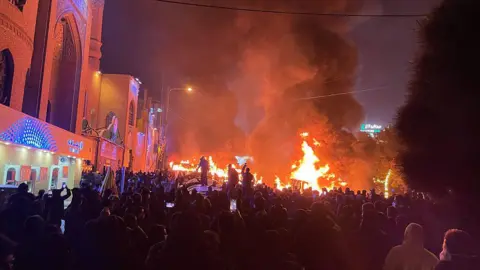
For Mojdeh and her husband, the question of US intervention in Iran is personal. In early January, they traveled from their home in Washington, DC to Tehran to visit family - expecting a short, routine trip. Instead, protests spread, flights were canceled and they found themselves stranded in a city that no longer felt predictable.Life was on pause, Mojdeh said, especially at night, when the internet and even phone networks went dark. They did not plan to protest, but on the nights of 7 and 8 January, she said, it was impossible to remain uninvolved. If you left your house, you saw it, she reflected.One evening, they stepped outside to find crowds filling the streets, as security forces appeared to lose control. It felt like people had occupied Tehran, she said. Protests erupted across Iran just before the new year, driven by anger over economic hardship and a collapsing currency, quickly escalating to calls for an end to the Islamic Republic. Days later, security forces responded with deadly force.The US-based Human Rights Activists News Agency (HRANA) reported more than 6,000 protesters dead, while others estimated the toll could exceed 25,000. Amidst this turmoil, US President Donald Trump expressed support for Iranian protesters. Recently, US and Iranian officials discussed the situation, although expectations are low.The couple living safely in the US understands the desperation of those in Iran. Like many Iranian-Americans, they remain skeptical that US military action could deliver what protesters ultimately seek—dignity, economic security, and freedom. Views within the Iranian diaspora vary, with some supporting direct intervention while others caution against it, fearing it could lead to more suffering. As debates on this topic continue, the urgency surrounding the ongoing crisis and the well-being of 90 million Iranians remains a collective concern for both those at home and abroad.