In brief
A massive landslide and flash flood hit the Nepal‑Tibet border, killing over 270 people and leaving more than 800 missing, many tourists. Scientists say a glacial collapse—not an earthquake—caused the disaster, a phenomenon accelerated by climate change. The floods have devastated villages and triggered secondary flooding along the Trishuli River. Governments in Nepal, China, India, the US and the UK have pledged aid and rescue support.
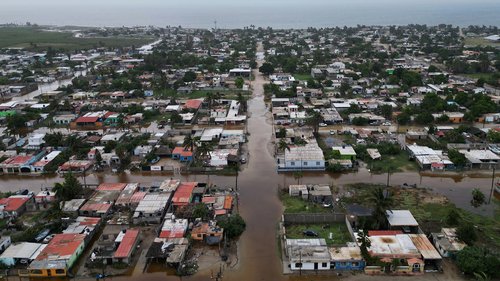
A catastrophic landslide on the Nepal‑Tibet border Wednesday caused flash floods that have killed over 270 people, left more than 800 missing, and left thousands of residents and tourists displaced.
Initial reports from Nepal’s foreign minister suggested an earthquake may have triggered the landslide, but the US Geological Survey clarified that the event was a glacial collapse that released debris and water.
Scientists point to rapid glacier melt in the Hindu Kush Himalaya and thawing permafrost as key drivers, increasing the likelihood of large‑scale landslides.
Casualties and Missing Persons
At least 270 people have been confirmed dead, including 64 found downstream in Chitwan and 26 in Nawalparasi East.
The Nepal National Disaster Risk Reduction and Management Authority reports 826 people remain missing, with 466 foreigners among the lost, including 260 from India and 33 British nationals. China’s CCTV notes 558 missing in Gyirong county, with 260 foreigners, and the Nepal Tourism Board lists 644 missing tourists.
Countries of Missing Tourists
- India – 178 nationals
- Ukraine – 53 nationals
- Malaysia – 51 nationals
- United Kingdom – 33 nationals
- Canada – 24 nationals
- United States – 65 nationals
- Australia – 34 nationals
International Response
The Nepal Prime Minister described the nation as shocked and committed to coordinating with China on relief efforts. China’s President Xi called for “all-out” search operations and pledged stronger early‑warning systems.
India’s Prime Minister Modi offered humanitarian assistance; the US pledged $500,000 in aid for emergency shelter and sanitation; the UK pledged support for its nationals; the UN has mobilised supplies and personnel.
Secondary Flood Risk
The International Centre for Integrated Mountain Development warns that debris may block the Trishuli River, posing a danger of a second flood. Authorities are assessing possible blockages and preparing for future risks.
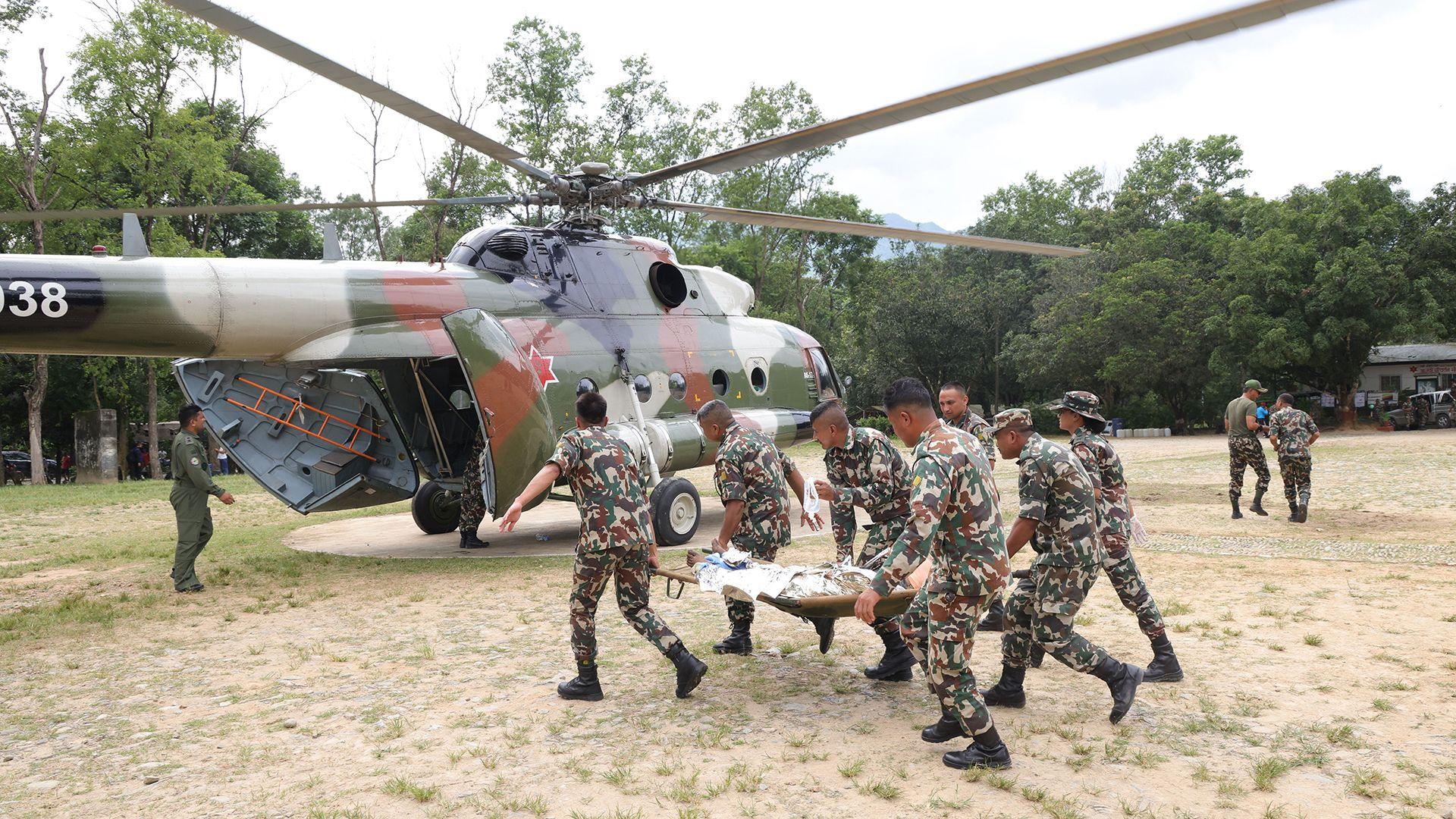
Rescue teams are continuing operations, with soldiers, paramedics and helicopters combing the terrain, as satellite imagery and seismic data are analyzed to understand the sequence of events.
Sources: BBC News, Reuters, USGS, Nepal National Disaster Authority, International Centre for Integrated Mountain Development, UN, China CCTV, Nepal Tourism Board.