In brief
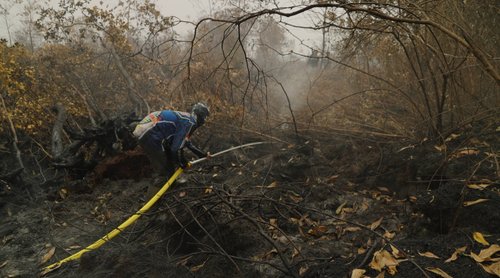
The Hawk Fire, first sparked on Saturday near the Hawk Meadow Trail, has spread over 15,000 acres in the foothills west of Reno. Fire crews report about 25 % containment, but most of the perimeter remains uncontained and evacuation orders still apply to 23,000 people. Air tankers, helicopters and the Nevada National Guard have been deployed while residents in shelters await further instructions. Damage has already seen 32 homes destroyed and seven people injured, with warnings that high winds could turn the blaze toward residential areas.
Firefighters report progress on the Hawk Fire in the foothills of the Sierra Nevada that began on Saturday near Reno, Nevada.
By Monday the blaze had spread over 15,000 acres, and the crew estimates the fire is about a quarter contained.
Evacuation orders still cover 23,000 residents, though those in the “go‑now” zone can return home; others are prepared to leave at short notice if conditions change.
Officials warn that gusty winds could push the flames toward more homes and forecast unfavorable weather for the next two days, so the fire may burn on.
While no deaths are reported, seven people — four civilians and three firefighters — sustained minor burns. 32 homes have already been destroyed and another six damaged; numbers are expected to rise.
Air tankers and helicopters have been dropping water and retardants over the threatened area, and the Nevada National Guard has deployed 72 soldiers and two helicopters to support firefighting and law‑enforcement tasks.
The Hawk Fire’s roots appear to be human‑caused, though investigators have not yet determined if it was intentional.
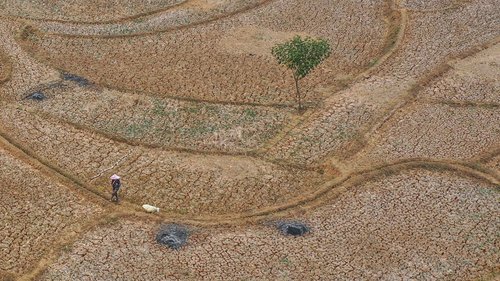
Climate scientists note that human‑induced climate change creates the warm, dry conditions that often accelerate wildfire spread, with Reno’s temperature rising more than 4 °C since the 1970s.
Local institutions like the University of Nevada at Reno have continued class schedules but are monitoring the situation closely, and residents like graduate student James Wolfgang Pérez have had to cancel classes themselves.
In the interim, fires spread toward nearby communities, destroying homes and threatening residents to the west and south of the city.