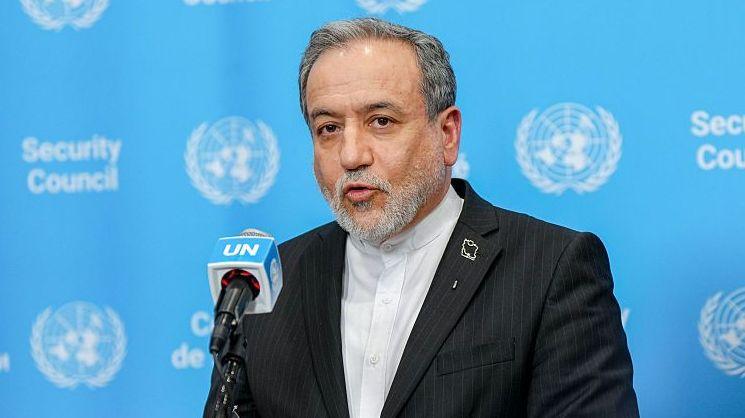
International tensions are tightening after Iran’s Foreign Minister Abbas Araghchi announced that his country has delivered a Memorandum of Understanding (MOU) that could allow the Strait of Hormuz to reopen within seven days, saying the choice now rests with the United States.
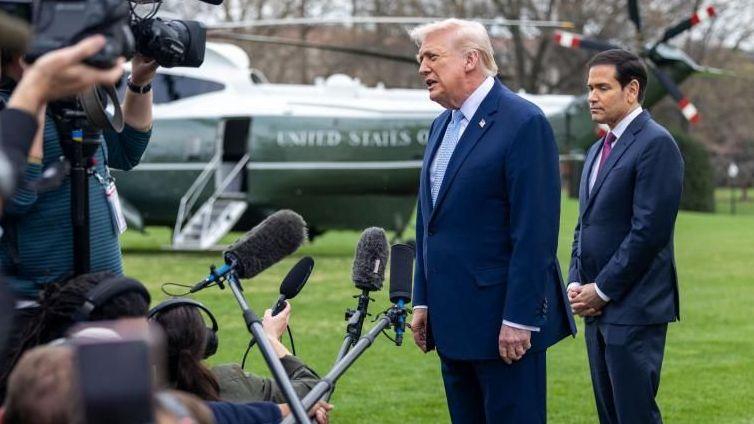
Araghchi told reporters at the United Nations that the necessary steps to lift the strait’s blockade are outlined in the MOU signed in June, and that the plan is being transmitted to the US via Qatar. While the US has yet to issue a formal reply, a Washington Daily brief reports that President Donald Trump had publicly rejected the proposal and warned of a renewed bombing campaign.
The MOU, a 14‑point accord, obliges Iran to forswear a nuclear weapon, requires all parties to stop military operations, calls for the removal of the U.S. naval blockade, and promises sanctions relief. It also compels Iran to ensure safe commercial passage through the strait and to engage Oman in future maritime arrangements.
The agreement collapsed a short time later when both sides resumed military strikes: the U.S. and Israel launched air attacks on Iranian sites on 28 February, prompting Iran to fire on U.S. and Israeli ships and block the strait in retaliation. The resulting 20% cut in global oil and liquefied natural gas traffic has sent prices soaring.
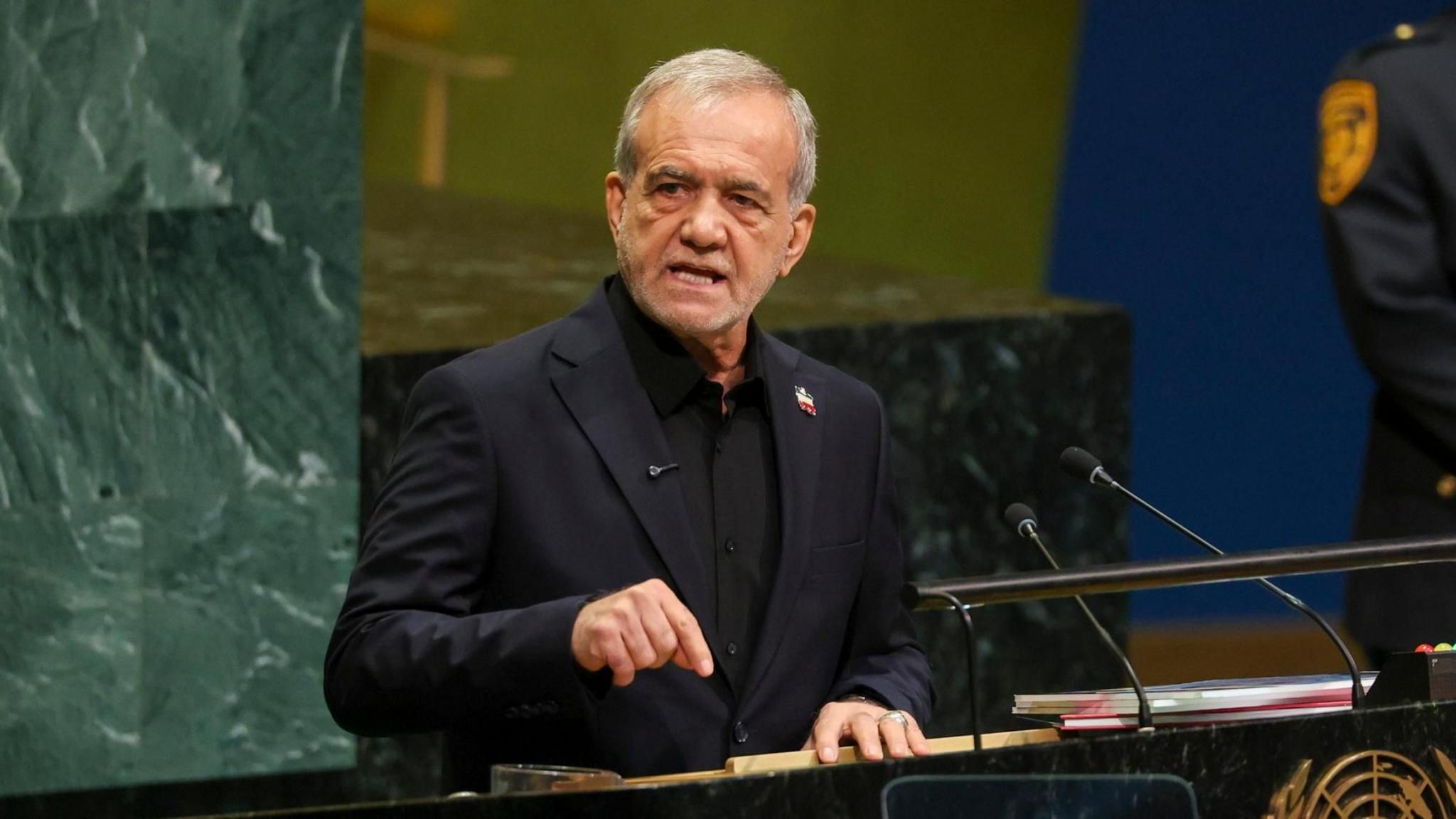
Bilateral talks are reportedly underway via mediators, but U.S. officials say the United States maintains a strong position in the region and is not “in a rush.” The Iranian president, Masoud Pezeshkian, said a ceasefire would begin the day the U.S. accepts the MOU and that the country would allow UN nuclear inspectors.
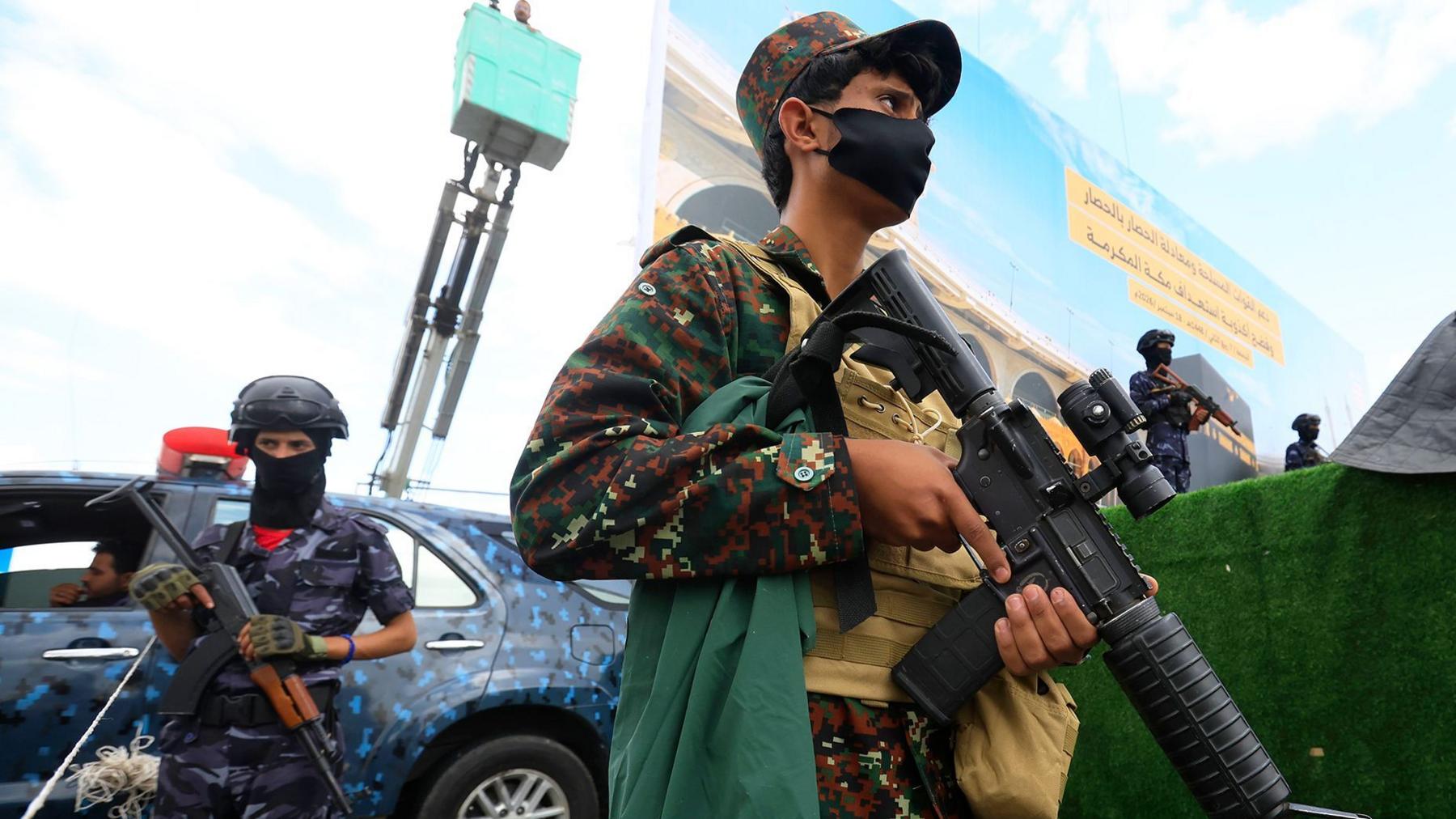
Meanwhile, Yemen’s Houthi rebels have intensified attacks on Saudi oil installations, prompting the Saudi‑led coalition to intercept missiles and drones. The combined pressure on energy markets is driving war‑zone politics far beyond the usual scope of Gulf negotiations.

For a visual overview of the region’s chokepoints, see the map below: