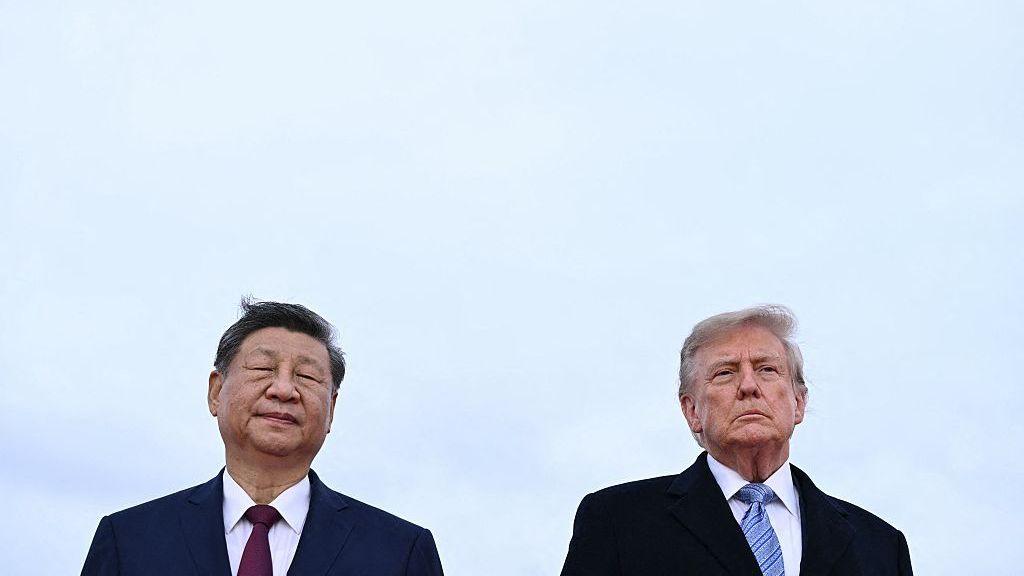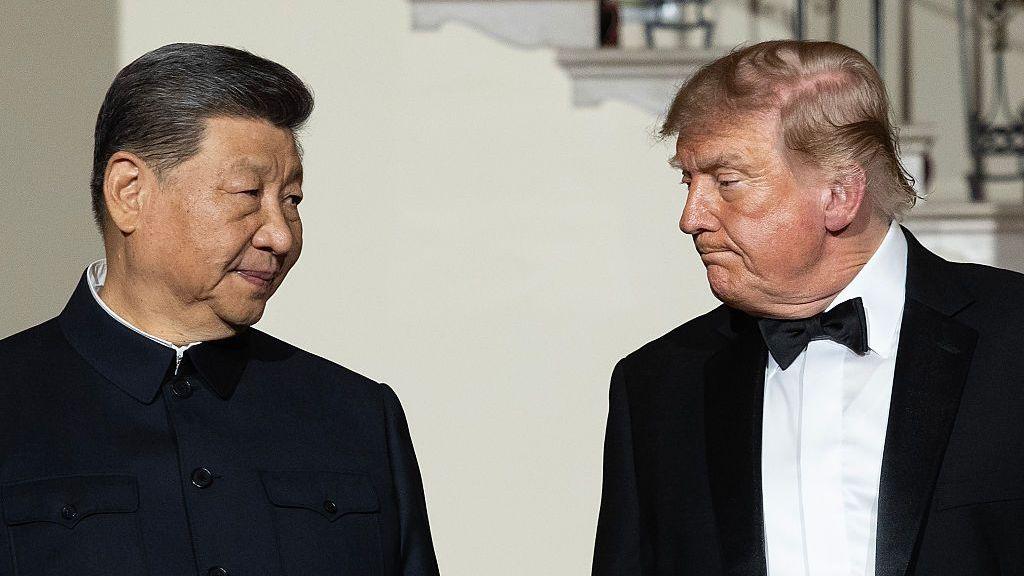
On Monday, China disclosed more details of what was agreed at the Trump‑Xi talks, shedding light on a handful of concrete outcomes, yet no joint statement emerged and few breakthroughs were announced.
Both sides issued separate accounts of the meeting, hinting that the White House’s promise of warmer ties contrasts with Washington’s and Beijing’s wariness of each other.
Four key take‑aways and lingering questions arise from the summit: A new AI dialogue and communication channel, a limited trade truce, the treatment of Taiwan, and wider economic openness.

Beijing announced a new AI dialogue, with talks scheduled for the end of November, aimed at establishing guardrails for the rapidly evolving technology.
In trade, the two‑month truce was extended until 10 January, ensuring the leaders meet again at major international summits later this year. China secured lower tariffs on $30bn of goods entering the U.S., while the U.S. agreed to purchase at least 10 million metric tons of coal annually in 2027 and 2028.
The summit left out key issues: China did not agree to raise export of rare earths or ease restrictions on advanced U.S. semiconductors, and the U.S. release made no mention of Taiwan despite Xi’s emphasis on the island’s security.
China opened the door for more foreign financial firms, including U.S. banks and insurers, to apply for business in China, though approvals remain subject to Chinese law.
Overall, the summit produced more dialogue than decisive policy change. While both leaders claim deeper engagement, the persistent gaps on high‑stakes topics suggest that progress is incremental at best.