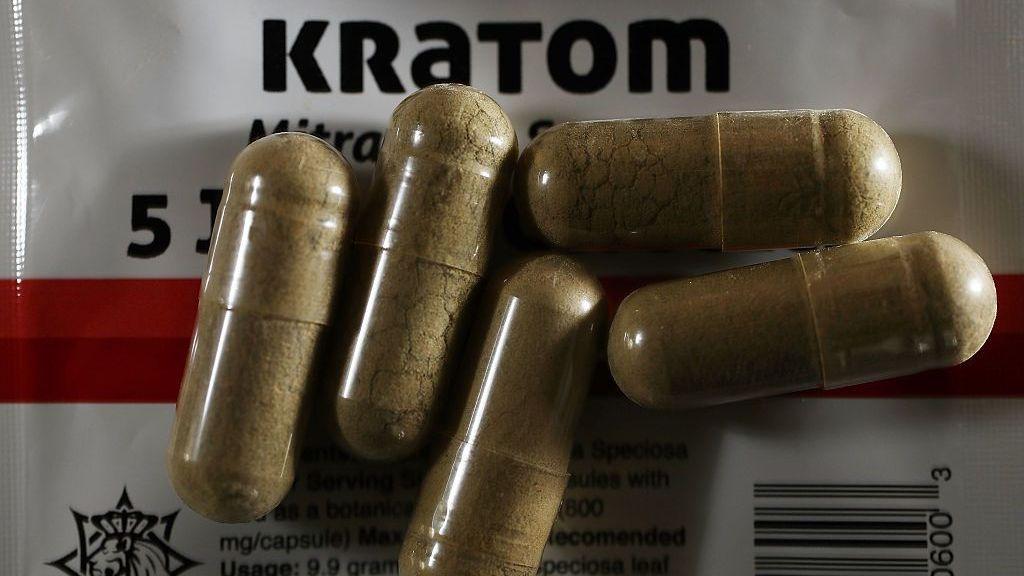
Kratom: The ‘gas‑station’ heroin sparking a national safety scare
Kratom is a leaf‑based supplement sold in high‑traffic convenience stores, vape shops and online. Its popular use as a natural remedy for chronic pain, anxiety and opioid withdrawal has pushed it into the limelight of both advocates and regulators. However, the lack of federal regulation has raised waves of concern amongst health professionals, lawmakers and the public.
Origin and Current Availability
The Kingdom of Thailand and nearby Asian nations have cultivated the kratom tree for centuries. The dried leaves are typically blended into powders, capsules or liquids and marketed as a “natural” health supplement. In the United States, the drug is unapproved by the Food and Drug Administration and can be bought from any station that sells tobacco or vaping products. This free‑market status creates uncertainty in dosage, purity and potential contamination.
Medical Claims and Risks
Users often describe a caffeine‑like alertness at low doses and an analgesic, sedative effect at higher amounts. Originally promoted to alleviate back pain and opioid cravings, the keratinous alkaloid 7‑hydroxymitragynine triggers dopamine release in the brain and mimics opioid receptors. While these effects can give temporary relief, they can also lead to dependence, tolerance and withdrawal that mirrors opioid addiction.
Recent reports describe serious neurological symptoms, including seizures, hallucinations and central nervous system depression. A surge of cases in emergency departments shows that severe overdoses can collapse cardiovascular function and shut down breathing. When patients reach the hospital in a state of profound respiratory distress, the window for rescue narrows dramatically.
Cases of Death and Investigation
Investigators this week recovered packaged kratom from the bodies of two Michigan students who had died. Although the poison panel could not confirm a causal link, authorities issued an urgent warning that unknown amounts of the herbal supplement can be lethal when combined with other sedatives or alcohol. The incident has spurred medical examiners nationwide to investigate every fatality that involves a supplement purchased from a pat‑a‑shop counter.
Legal Landscape
Twenty‑one states allow the sale of kratom, while the Department of Transportation has banned its distribution across interstate highways. Eleven U.S. states have declared it a prohibited substance, ranging from Alabama to Wisconsin. The Federal Drug Administration failed to reclassify the plant as a Schedule‑1 drug after a public backlash in 2020, leaving individual states to fill the bureaucratic gap.
Some lawmakers argue that this patchwork framework is a public‑health hazard, using the phrase “gas‑station drug” to liken it to the same dangers found in unregulated marijuana or vape liquids. Advocates for legitimate use claim that bans only curb effectiveness for patients desperate for relief from pain and opioid addiction, and push users toward more dangerous alternatives.
Industry, Advocacy and The Future
The American Kratom Association and other consumer groups lobby for clarity: “If we cannot standardize the product, we cannot guarantee safety.” Meanwhile, a growing number of research studies are collecting data on dosing, purity controls and long‑term health outcomes. The medical community is calling for a federal framework that would require testing, labeling and age restrictions. Until such policies take hold, the public remains on a risky path of unverified supplements sourced from low‑regulation retailers.
If you or a loved one are taking kratom, range the conspiracy of dose, quality or possible interactions with prescription medication. Health providers recommend cutting back or discontinuing use if you observe signs of sedation, dizziness or cravings. For peace of mind, consider consulting a licensed professional before adding kratom to any pain‑management plan.