In brief
Sri Lanka is reeling from the devastating impacts of Cyclone Ditwah, which caused catastrophic floods and displacements. The situation has been worsened by the Iran war which has sent fuel prices soaring, creating further economic challenges for a country already grappling with a crisis since 2022. Citizens are facing shortages of essential goods, and many are displaced, making recovery more difficult.
After floods devastated their village, Indrani Ravichandran and her family are back in their house, living in the only section that is still standing. They are among the many victims of Cyclone Ditwah that ravaged the country last November.
The scale of the storm - and the destruction it wreaked - was unprecedented. Over just three days, parts of Sri Lanka's central uplands saw up to 500mm of rain, causing catastrophic floods and landslides that swept away homes and entire settlements. The human cost was devastating – 643 people were killed and another 173 went missing.
Indrani describes how she and her family ran for their lives in the dark as raging flood waters swept away parts of her home. She recalls, The water level rose swiftly. We rushed out and hardly had any time to pick up anything from the house. It was pitch dark and the rain was lashing down, the slopes were slippery and we were also terrified of treading on any poisonous animals as we ran. But we were lucky to survive. It was the first time in 30 years we witnessed such ferocious floods, Indrani's husband lamented.
'A triple shock'
The US and Israel's war against Iran - and its impact on the global economy - could not have come at a worse time for Sri Lanka, now reeling from these devastating floods and an unprecedented economic crisis from 2022. This picturesque South Asian island, once celebrated for its economic development, has found itself in dire straits once again.
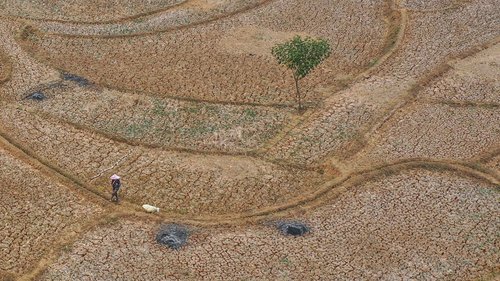
Economist Dr. Ganeshan Wignaraja remarked, It's a triple shock. First, the devastating floods late last year, now soaring fuel prices and then there's an impending drought in some areas. In recent weeks, the government has had to ration fuel and raise prices, introduce a four-day working week, and increase electricity costs by up to 40%.
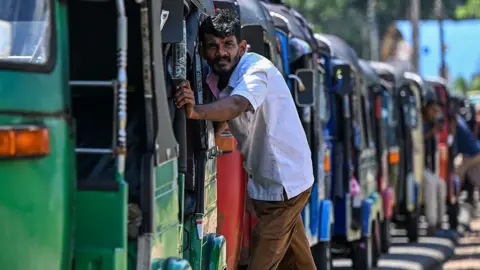
As fuel and cooking gas shortages have led to panic buying, memories of 2022's critical shortages flood back, raising concerns that the country may not stave off another economic crisis. The cash-strapped Sri Lankan government is implementing measures to stabilize the economy, but the ongoing challenges from the Iran war complicate these efforts.
With the international response to the cyclone muted in comparison to past disasters, Sri Lanka's closest neighbor, India, has stepped up to provide significant aid. Meanwhile, Sri Lanka continues to struggle with rebuilding and recovery amidst the compounding crises.