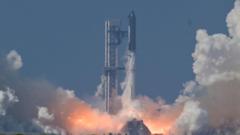
For the first time, SpaceX is setting its sights on making Starship a true orbital vehicle. The company has already carried out 13 hard‑earned test flights that have pushed the limits of design, propulsion and materials science.
The record of the flights reads like a narrative of extreme ambition and painful setbacks. Early attempts saw tanks rupture, inter‑stage connectors fail, and flight control glitches force aborts.
Each successive flight, however, delivered new data. Engineers learned how to keep the heat‑shield intact, manage the methane pressurisation system, and integrate the integrated control algorithms that now allow the capsule to survive re‑entry.
The 14th test, scheduled to launch this coming Monday, is the first to aim for orbital insertion. The mission limits itself to about ten hours with roughly six passes around the planet, a milestone that would place Starship among the most capable launch vehicles in the world.
If the entry succeeds, SpaceX will not only prove the concept of a reusable orbital rocket of its size but also pave the way for future Mars crew missions. The stakes are high, but the history of the 13 previous flights has prepared the team for this final push.