SpaceX Rocket Strikes Moon: A Controlled Impact Offers Scientists a Rare Experiment
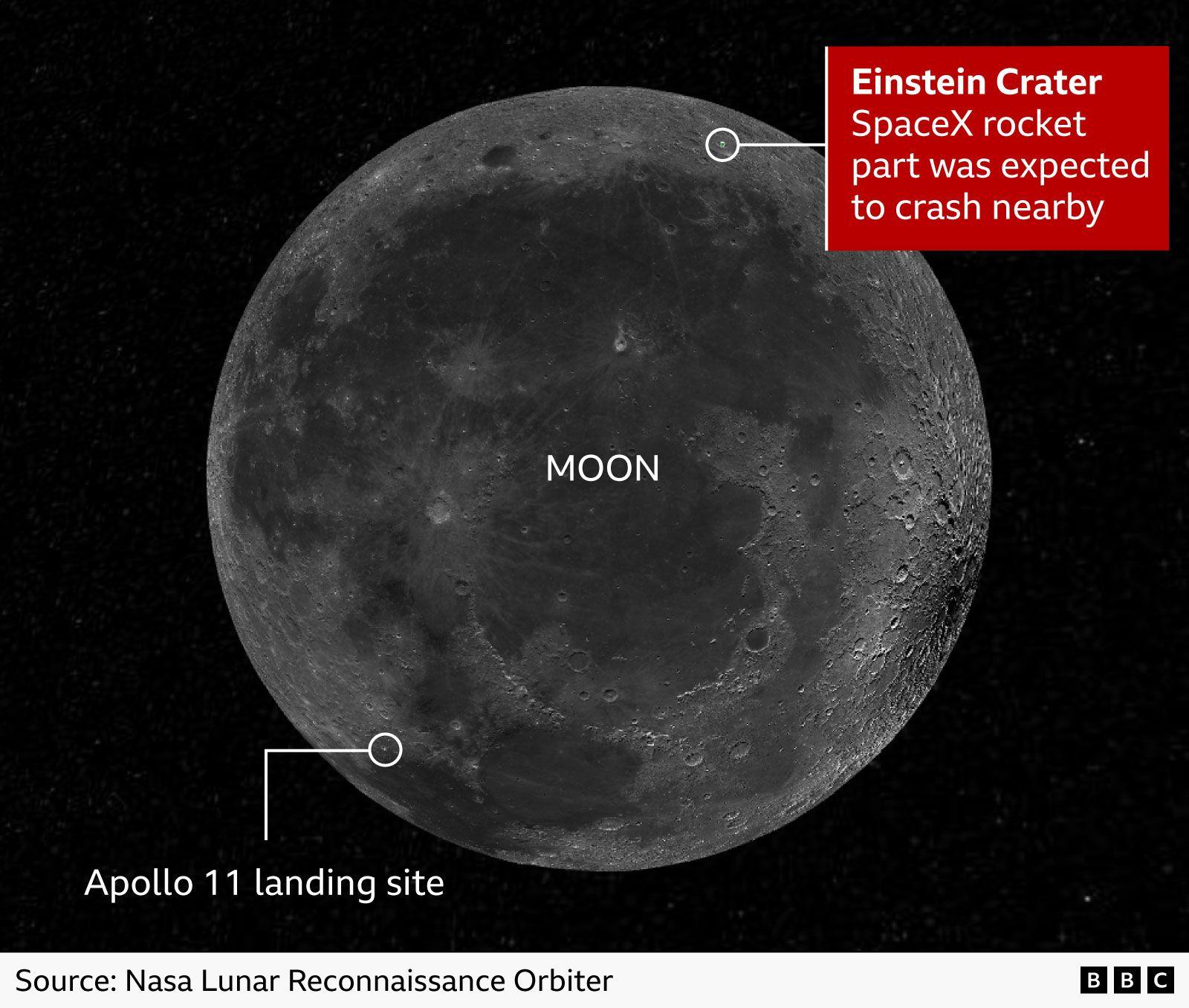
A stray upper stage of a SpaceX Falcon 9 rocket has struck the Moon’s surface near the Einstein crater, creating a fresh impact footprint that science teams are eager to study.
The 14‑metre, 4‑tonate section of the vehicle reached the Moon at a speed of about 5,400 mph (8,700 km/h). The collision produced a brief flash so faint it would have been undetectable to most observers, even through powerful telescopes. Nevertheless, the impact created a plume of dust that stretched up to 100 km and lasted several minutes, offering valuable data on ejected material.
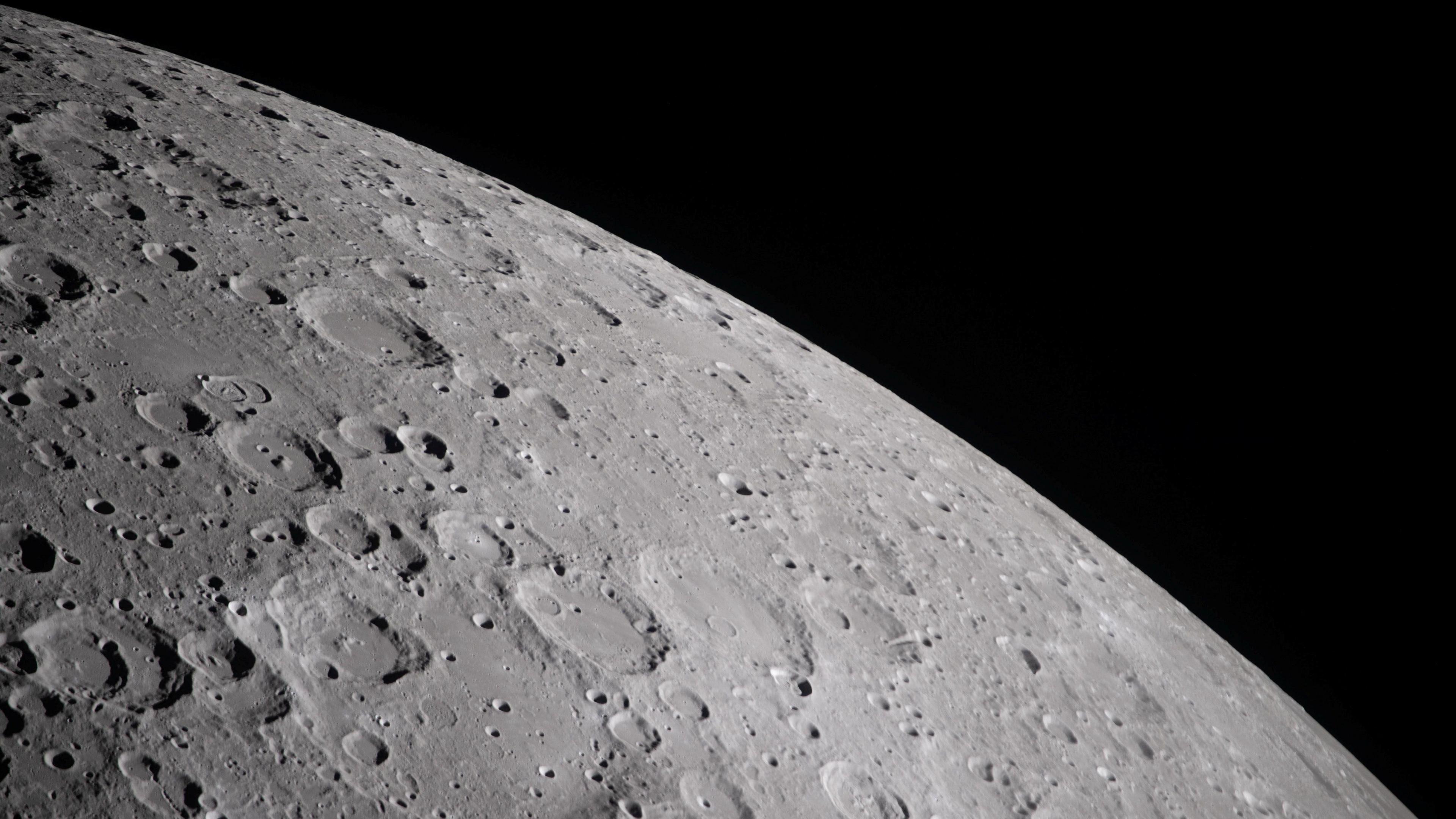
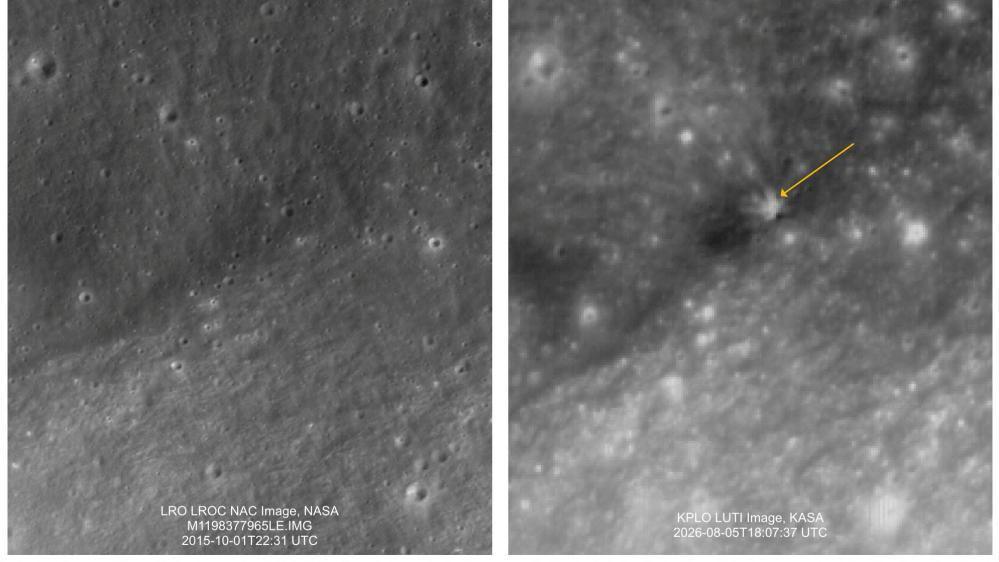
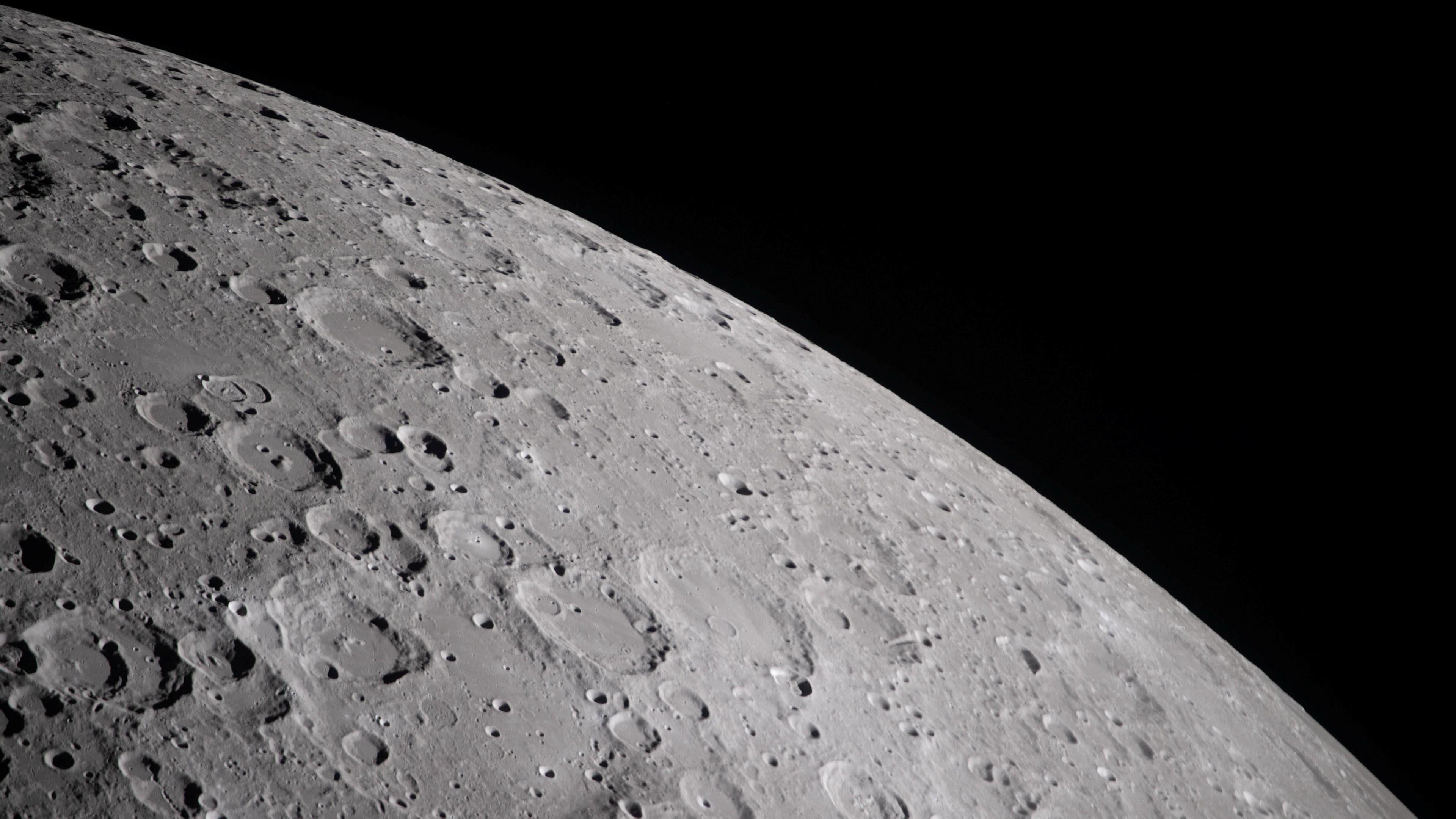
A cratered section of the Moon is seen close‑up.
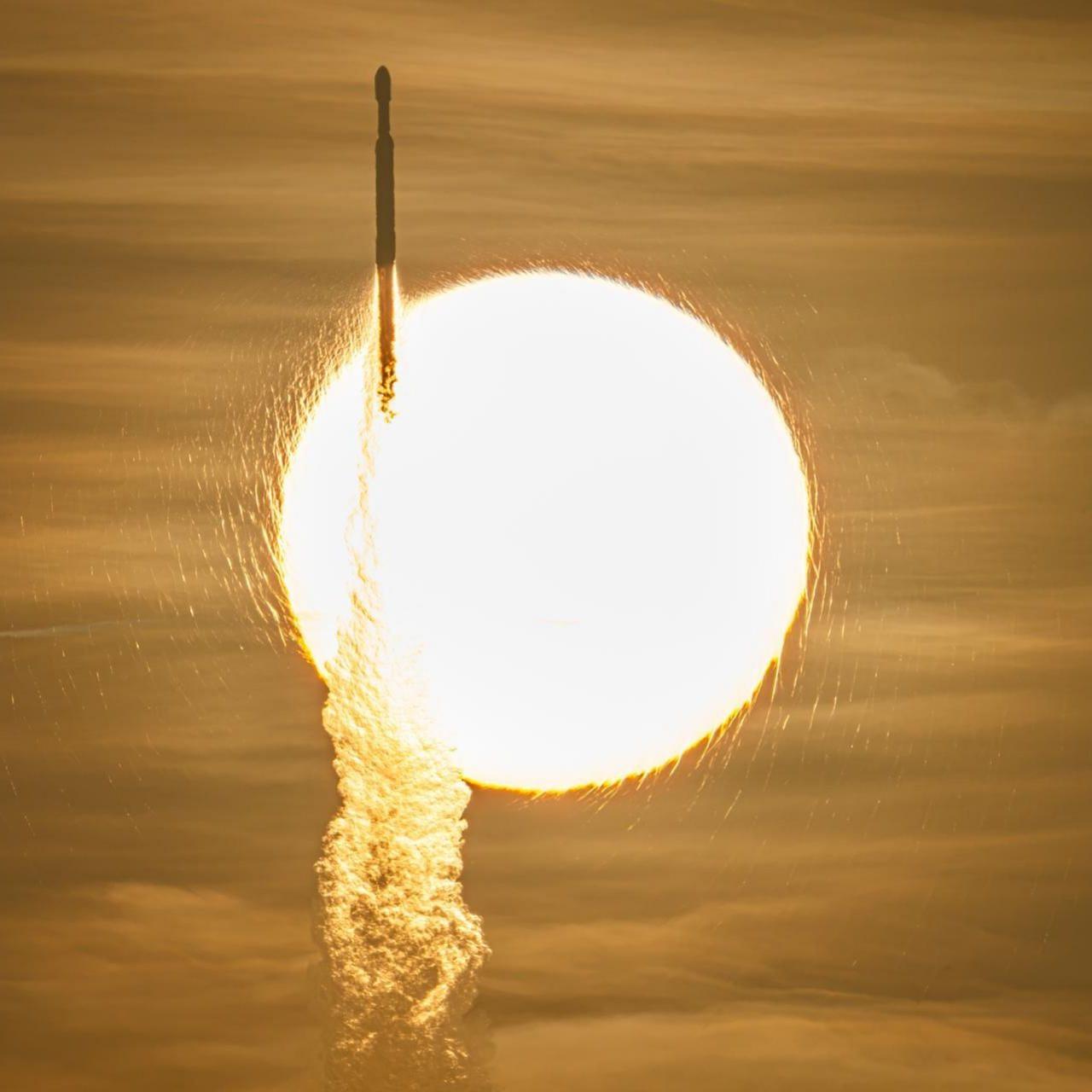
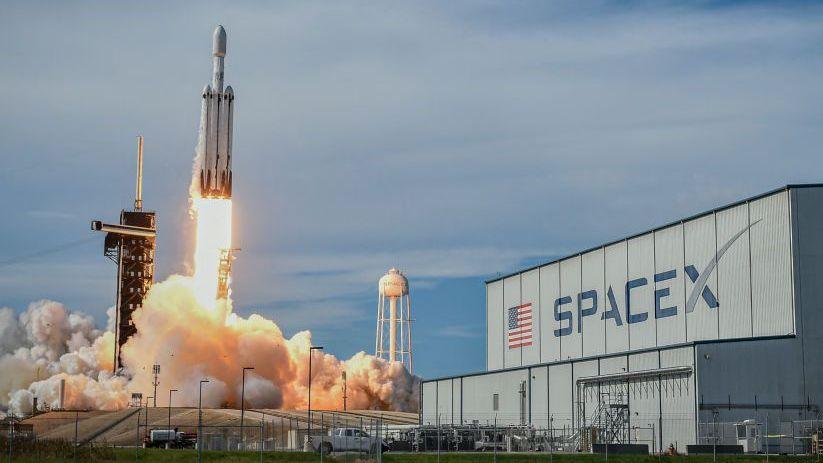
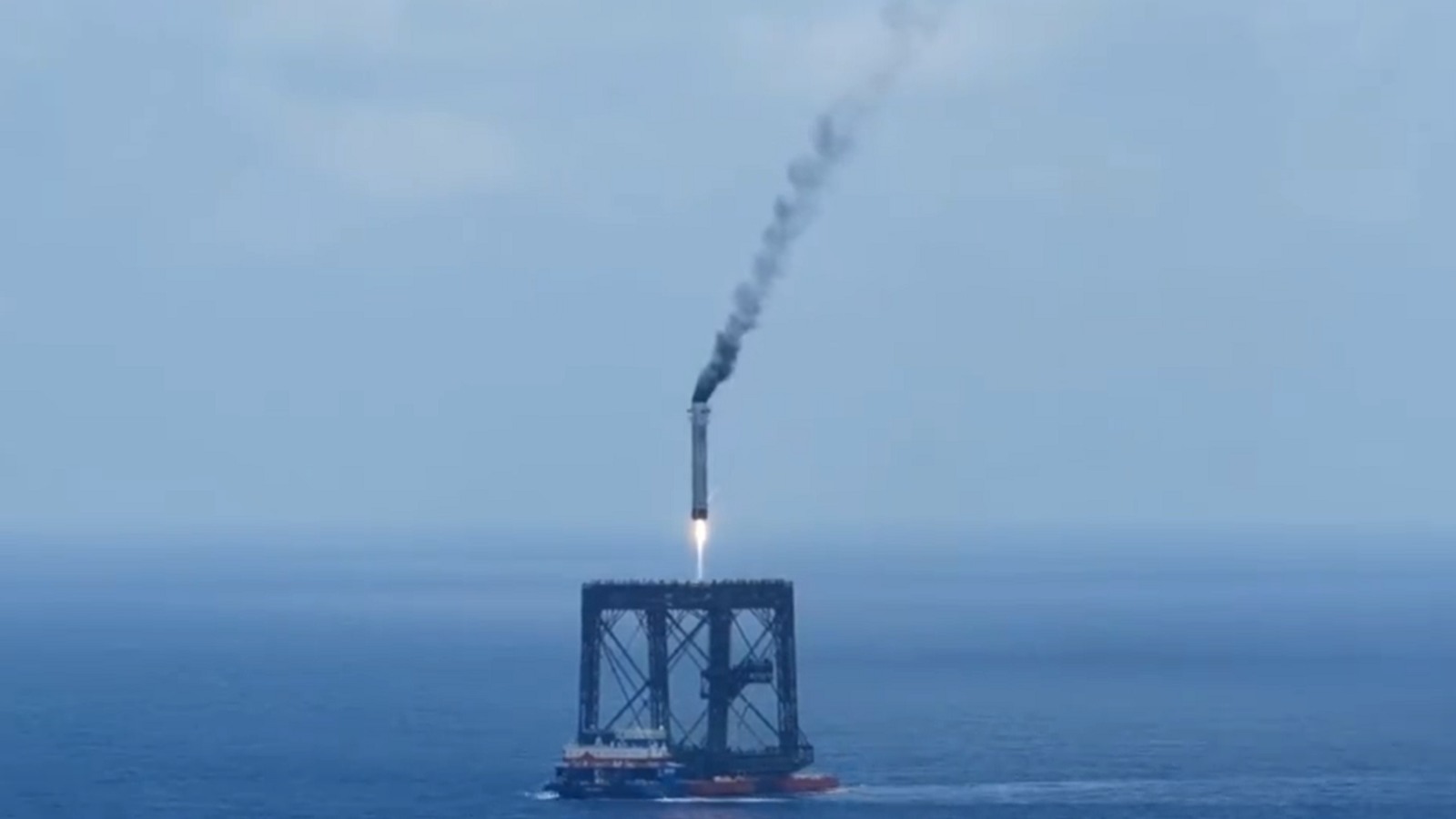
The stage originally left Earth in January, carrying two lunar landers to the Moon. After leaving its launch‑pad, the upper stage was left on a drifting orbit that looped toward the Moon, where slight gravitational nudges slowly accelerated it until the collision.
Because the damage occurred in daylight on the Moon, the flash was effectively invisible to astronomers. Even spacecraft being in the same orbit, such as South Korea’s Danuri orbiter, missed the instant of impact; its team plans to release footage only after full analysis.
NASA’s Lunar Reconnaissance Orbiter (LRO) will soon be positioned to image the site, allowing researchers to compare before‑and‑after photographs and quantify the new crater’s dimensions.
This uncontrolled collision gives scientists a unique, “controlled” experiment to test impact‑cratering models, measure debris spread, and assess seismic effects. The data will help engineers design safer landers and future lunar bases by predicting how far flying debris can travel and how hard the surface might shake.
Human‑made impacts on the Moon are not new. Since 1959, dozens of spacecraft—both accidental and intentional—have struck the surface, including the 2009 LCROSS mission that deliberately crashed into the Moon to search for water ice. The last accidental impact was in 2022 when a Chinese lunar mission booster struck the Moon, highlighting the long‑standing accumulation of space debris.
For a world of rapid spaceflight, this event serves both as an unexpected reminder of debris‑risks and as a scientific boon, turning a mishap into a remarkable field experiment.