In brief
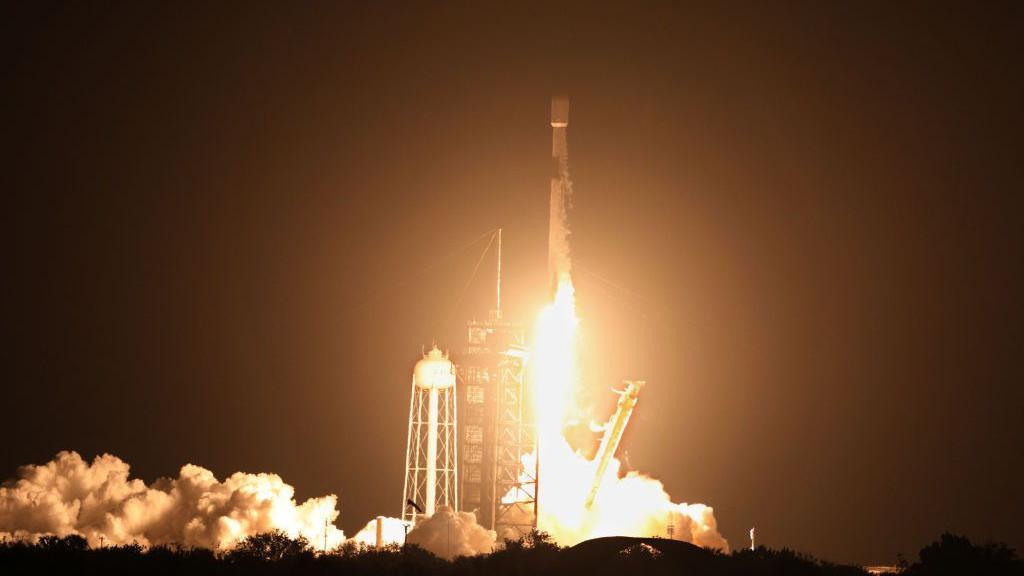
Astronomers predict that the upper stage of a SpaceX Falcon 9 rocket, launched in January 2025, will slam into the Moon’s far‑side surface on 5 Aug at 02:35 EDT. The 4,000‑kg booster will create a crater roughly 17 m wide near Einstein Crater, a spectacle for telescopes and sky‑watchers alike. NASA and international space probes will monitor the burst of dust and the new crater for scientific insight, while the event underscores the growing problem of orbital debris.
The Moon has endured countless blows over millions of years. Asteroids and meteorites have left a pockmarked surface and a sprawling network of craters. More recently, probes and landers from Earth’s space agencies have added to its record of impacts.
Now, on 5 Aug, scientists expect yet another collision, this time from a drifting SpaceX rocket travelling at about 2.43 km s⁻¹ (5,400 mph). The upper stage of a Falcon 9 rocket launched in January 2025 will ‘impact’ the Moon, according to NASA’s Centre for Near‑Earth Object Studies (CNEOS). Astronomers using public data spotted the stage’s accidental collision course with the Moon.
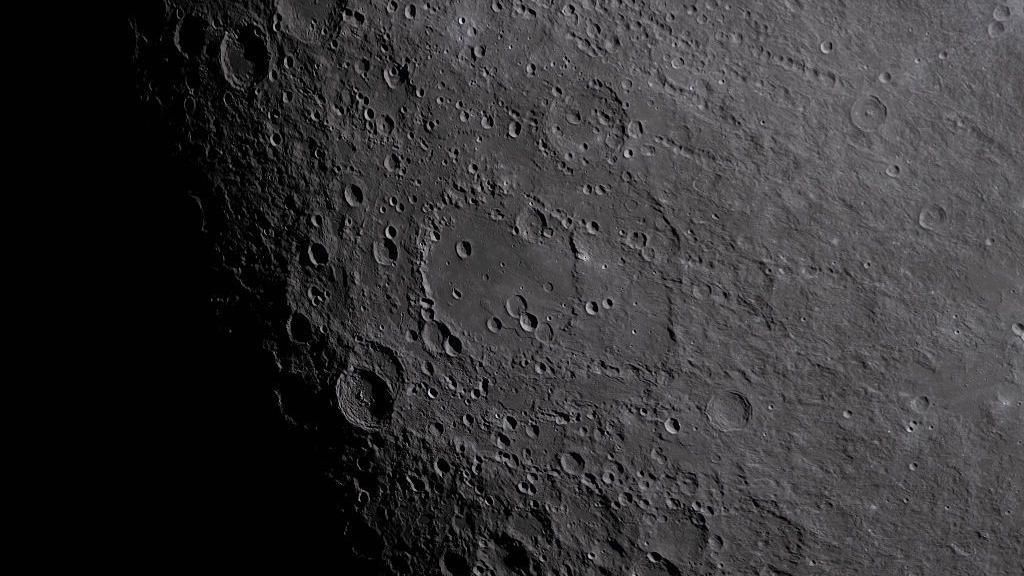
The impact will occur near the Einstein Crater on the Moon’s daylight side, a spot visible from Earth. Bill Gray, the astronomer who first found the trajectory, predicts the event will create a crater over 17 m (56 ft) wide.
The rocket’s upper stage, about the size of a five‑storey building, weighs at least 4,000 kg on Earth. Under no circumstances will the impact threaten Earth – “there is no danger to Earth,” said NASA spokesperson Jimi Russell.
Observers across the globe will be watching. The space junk clean‑up may look like a spectacular show: a rock smashing into an almost air‑free surface, launching a plume of dust up to 50 km high, and spreading sideward over time. Dr Matt Bothwell, a public astronomer at the University of Cambridge, said the flash may be visible only with a telescope, but it will offer a unique educational experiment on how impacts alter the Moon’s geology.
NASA’s Lunar Reconnaissance Orbiter, South Korea’s Danuri probe, and large telescopes in the Americas will track the impact’s flash, plume and new crater. A citizen‑science project has already recruited amateurs to film the event. By capturing the dust plume, scientists aim to refine models of lunar impacts and reveal what lies beneath the fresh surface.
The incident is also a cautionary tale about space debris. “Every year we put more stuff into orbit,” Bothwell stated. “Sometimes satellites collide, shattering into more pieces, and there’s a worry about a runaway cascade.” According to ESA, about 54,000 objects larger than 10 cm drift in orbit, and humans have launched roughly 17,000 t of payloads into space since 1957. The last dead rocket to hit the Moon was a Chinese Long March 3C upper stage in 2022, and NASA’s Apollo missions also intentionally launched objects into lunar orbit to collect data.