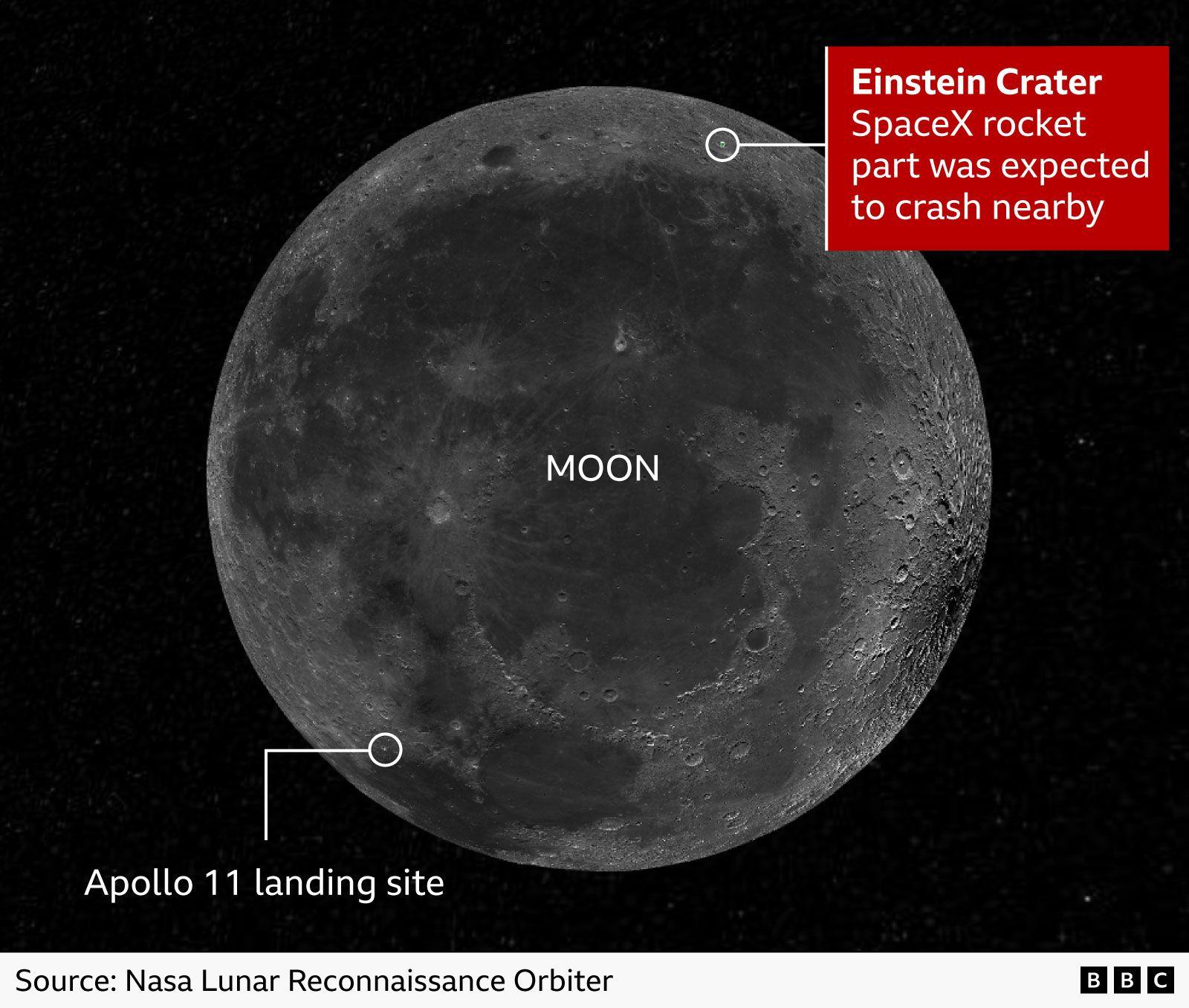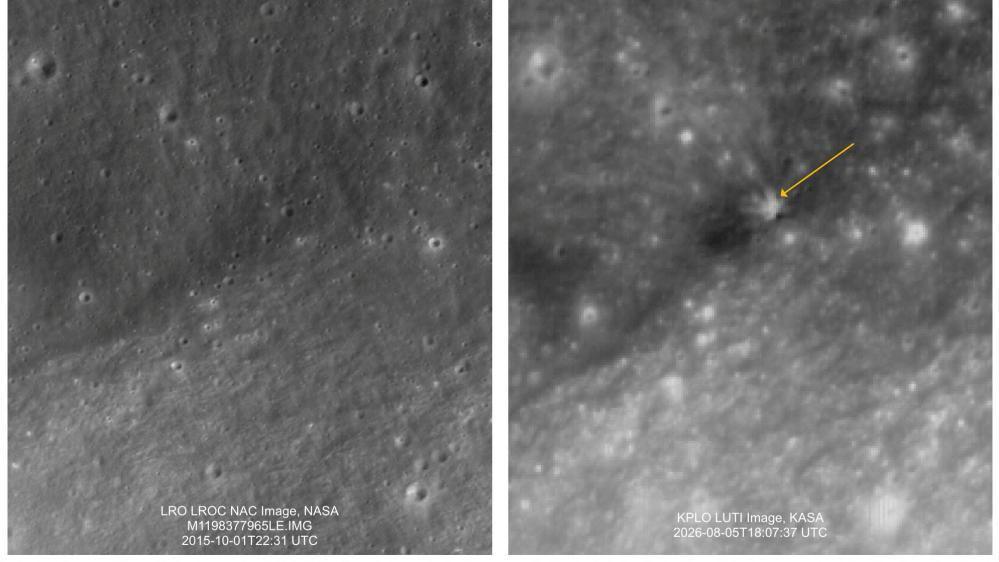
South Korea’s KASA stunned the astronomy community with images of the Moon’s surface after a fragment of a SpaceX rocket struck it on Wednesday.
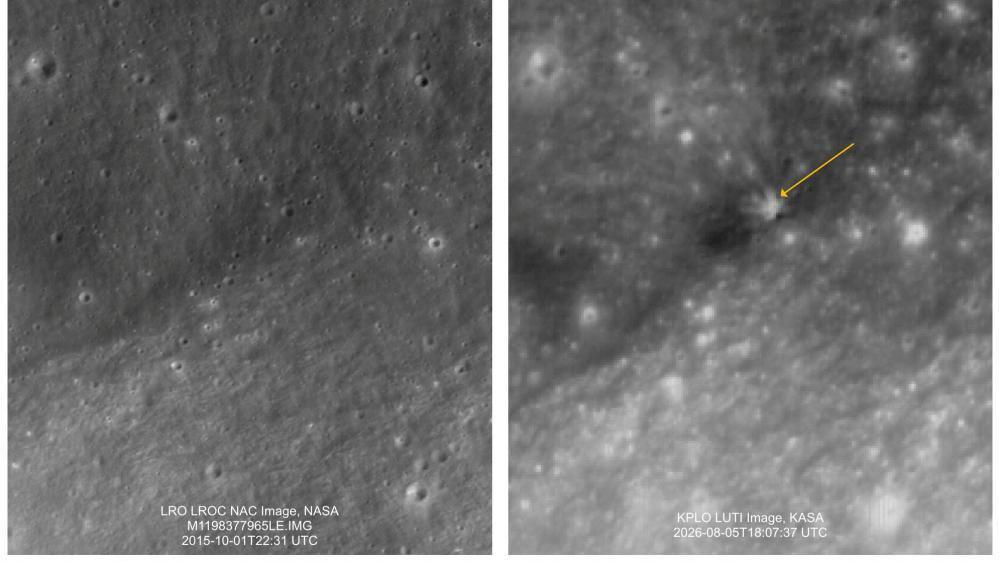
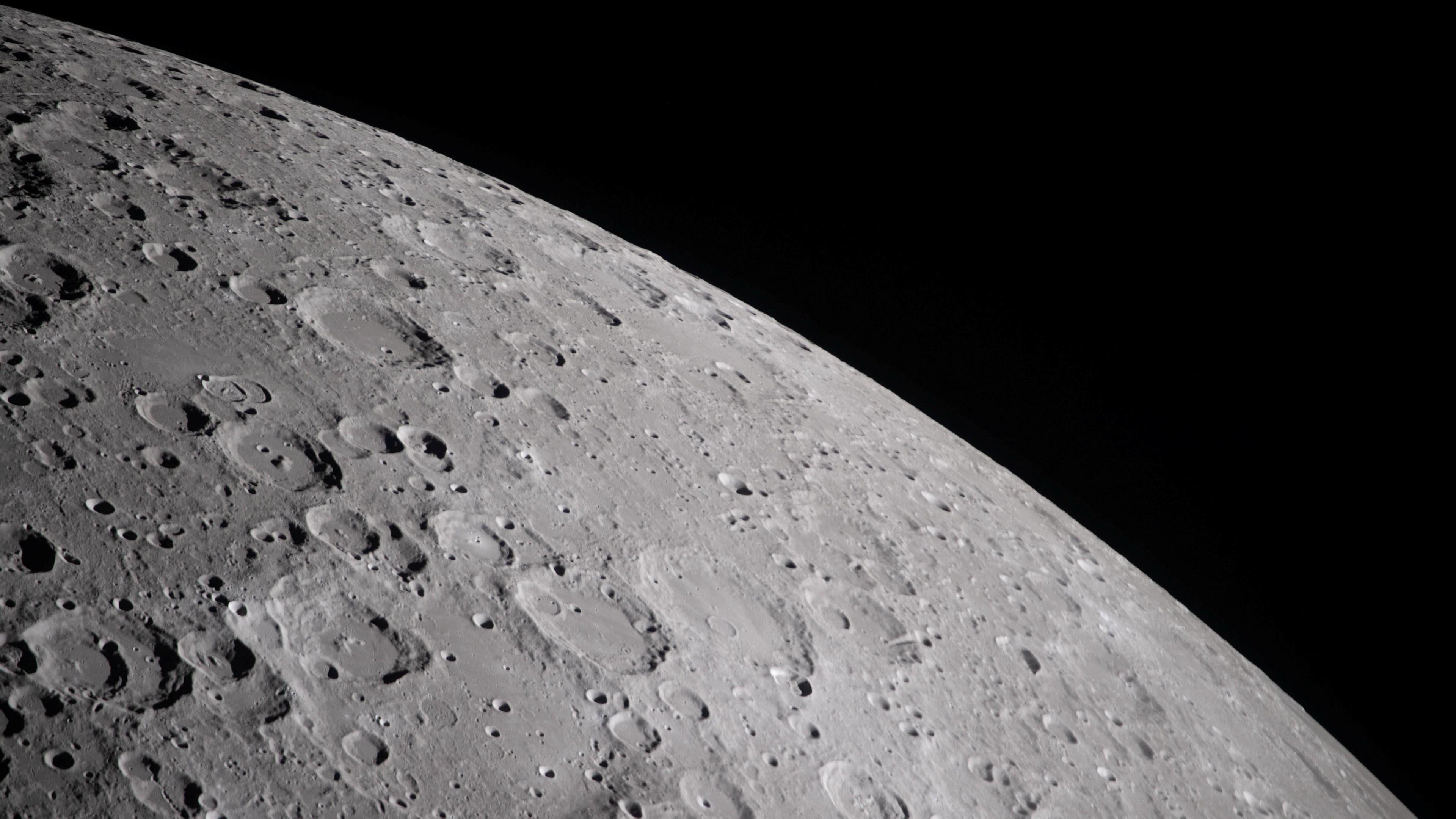
Using its Danubri lunar orbiter, KASA captured a series of before‑and‑after shots that show a new crater and disturbed regolith where the debris landed.
Tracer logs from KASA place the impact at about 06:35 GMT, when the empty upper stage of a Falcon 9, weighing roughly 4,000 kg on Earth, slammed into the lunar surface at ~8,700 km/h.
SpaceX confirmed the collision was unintentional and stressed that no danger to Earth was involved.
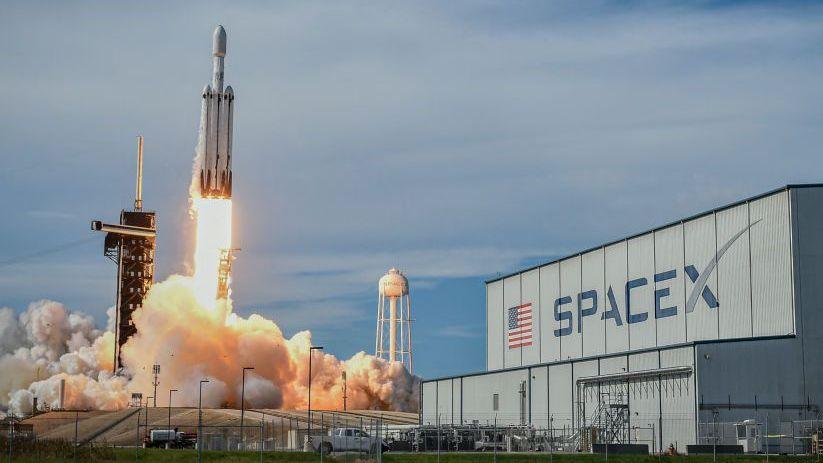
The Falcon 9’s upper stage—about the size of a five‑storey building—is designed to fall back into space after delivering a payload. In this case it carried two lunar landers that were launched in January 2025 from Florida.
“Space is getting more and more crowded,” warned Matt Bothwell, an astronomer from the University of Cambridge, “which could make it difficult to travel beyond Earth’s orbit in a few decades.”
Although the impact was faintly visible to amateurs, it produced a flash too brief for telescopes, and Seoul’s agency is now analysing the data from the Moon’s surface.
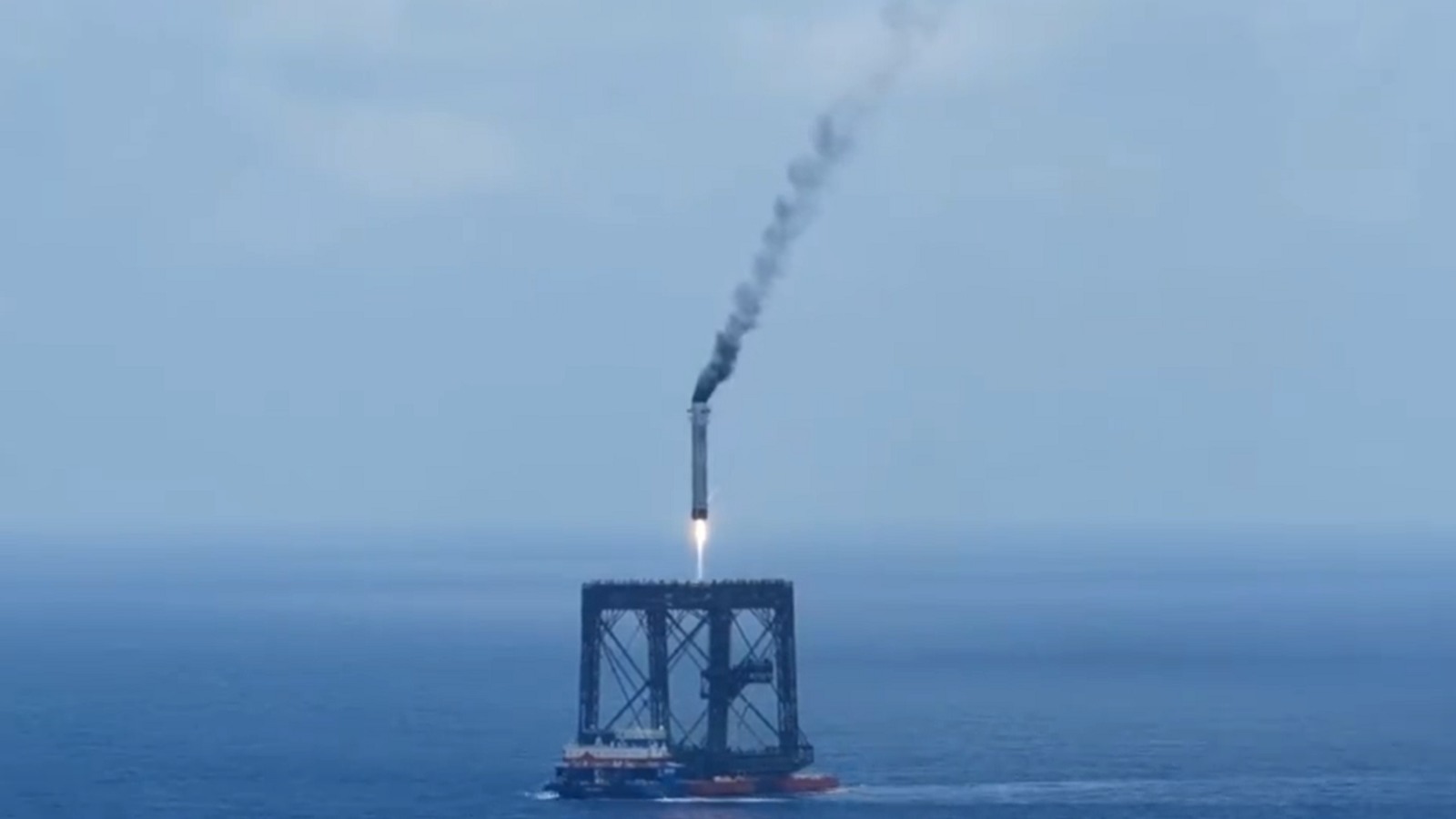
Originally launched in January 2026 for a Starlink mission, the same booster will take off again on the 18th flight slated for 10 August, carrying 29 satellites to low‑Earth orbit.