In brief
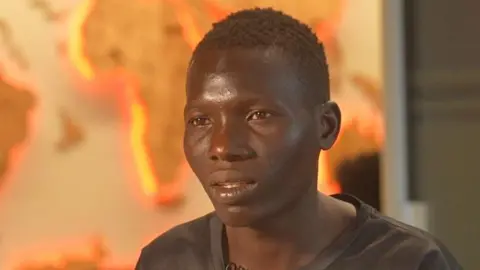
Rasheed Wasiu, a 23-year-old Nigerian man, was wrongfully imprisoned for more than five years without trial due to a series of bureaucratic failures and misidentifications during the #EndSars protests. Although he was eventually released in March, his quest for his mother, who has gone missing, has cast a shadow over his newfound freedom. His story reveals the dire conditions faced by many in Nigeria's prison system and the ongoing challenges of securing justice for those wrongfully accused.
Not listening to his mother cost 23-year-old Nigerian Rasheed Wasiu dearly – more than five years of his freedom for something he did not do. Now released from prison, where he was stuck waiting for his trial as the judicial process crawled on, Rasheed has no idea where she is. His mother has gone missing.In October 2020, she had told him not to go out as widespread anti-police brutality demonstrations, known as the End Sars protests, swept into his area of Lagos, Nigeria's bustling commercial heart. People's anger was directed towards the now-disbanded Special Anti-Robbery Squad (Sars) accused of robbing, attacking, and even killing innocent people. The reaction of the security forces to the 2020 demonstrations was to reach a crescendo on the evening of October 20, when officers opened fire on a group of protesters in the city. The protests had been building over the previous fortnight, with some turning violent, and the police along with a local vigilante group began responding by rounding up anyone they thought might be involved. On the morning of October 20, Rasheed, 17 at the time, was trying to get to a painting job with a friend in Amukoko, but upon learning that violence had broken out there, they turned around. When he arrived home, his mother told him to stay indoors due to the escalating protests. However, Rasheed, being a disobedient teenager, ignored her warnings and went back outside.Although he says he did not join the demonstration, members of the vigilante Odua Peoples Congress (OPC) caught him in their dragnet and bundled him into a van alongside weapon-wielding protesters. His mother and neighbors insisted Rasheed was not part of the group, but their pleas were ignored. He was first taken to an army barracks and then moved to Lagos's Kirikiri Correctional Centre, where he awaited trial.Initially arrested on allegations of looting, when he appeared in court, the charge sheet was suddenly changed to "unlawful possession of firearms." His experience mirrored that of many who were detained during the protests. Dressed in worn-out clothes and bathroom slippers, Rasheed spoke to the BBC about his stressful incarceration: Jail is hell if you do not have money to ease your way through and cater for your needs. The food is miserable; we get weak after eating. The space is congested; they locked up to 70 people in a tiny room at a time. There is no good healthcare. If you have money, you can access good food and medications. Months passed without his case being called. During the rare occasions when he was taken to court, his case was not mentioned, and one of his lawyers even died while he was imprisoned. This continued for nearly six years until a judge struck out his case early last month due to a lack of evidence, setting Rasheed free.Despite his release, Rasheed's return home became yet another nightmare as he could not find his mother. People in my neighborhood thought I was dead since they couldn't find me. I checked around for my mum but couldn't find her. I pray to God every day that I will see her, Rasheed said. Having lost nearly six years of his life, Rasheed is determined to rebuild and make a living. Ever since I got out of prison, my neighbors have been supporting me with food. But I don't want to be dependent on them, I wish to get a job and be a giver as well. The ordeal faced by Rasheed raises pertinent questions about the Nigerian judicial system and the distressing reality for many waiting for justice.