
In brief
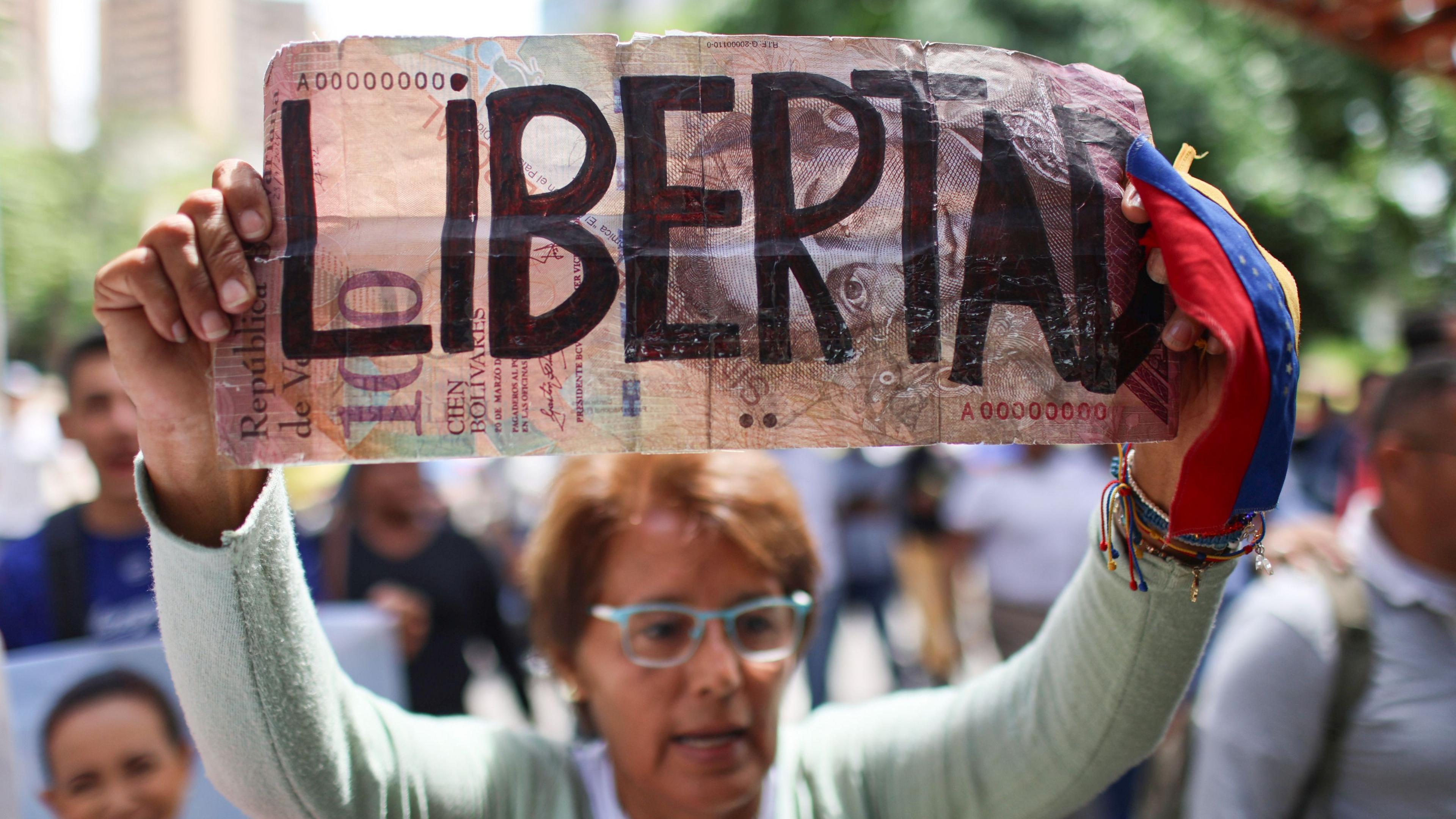
Venezuela’s interim administration announced the release of dozens of political detainees following a meeting between President Delcy Rodríguez and U.S. President Donald Trump. The prisoners freed included former activists and former state executives, marking a visible shift in the country’s stringent crackdown. Human‑rights groups applaud the move but note that it represents only a fraction of the estimated 4,000 political prisoners still inside custody. The release comes amid heightened calls for credible elections after Maduro’s disputed 2024 vote. With domestic pressure mounting, the setback of Rodríguez’s previous mass‑release program now appears to signal a new phase in Venezuela’s fraught political landscape.
In the early hours of Saturday, Venezuelan authorities released a wave of political detainees. The decision came a day after interim President Delcy Rodríguez held a meeting with U.S. President Donald Trump in New York, a visit that has intensified calls for a genuine electoral process in the country.
Among those freed was former opposition activist Wilder Vásquez, who had been sentenced to five years in 2018 on allegations of plotting to kill former President Nicolás Maduro. The list also contained former mining official Miguel Castillo Cedeño, who had been held since June 2019 without formal charges, and former state oil company executive Frank Cabañas, jailed for nine years over a police officer’s death.
Rodríguez’s administration had, since Maduro’s ouster, carried out a “prisoner–release” programme that saw several hundred convicts disinterred as a gesture of reconciliation. In April, however, officials announced that the scheme was ending, sharply curtailing the release pace.
Human‑rights groups such as Foro Penal say the latest liberation of dozens represents a “significant number” but note that fewer than half the estimated 4,000 political prisoners remain in custody. The organisation also warned that the abrupt halt of the programme undermined any long‑term prospects of reform.
Rodríguez’s engagement with Washington was widely seen as an attempt to legitimize her interim leadership. Yet critics argue the meeting merely stokes domestic unrest – Venezuela’s last contested vote in 2024 was marred by allegations of fraud, and opposition leaders claim they won by a wide margin should a fair election be held.
Interior Minister Diosdado Cabello praised the accord as a diplomatic success, while ex‑oil executive Pedro Mario Burelli disparaged the exchange, calling Trump and Rodríguez “puppets” and accusing the U.S. of pursuing short‑term stability at the cost of democracy.
With a growing chorus demanding free elections, the staggered release of political prisoners could become a bargaining chip in the fight for Venezuela’s democratic future – but the country remains deeply divided, and external meddling continues to shape its fragile political landscape.

