In brief
In the wake of devastating conflict, Gazans face the daunting task of rebuilding their lives and homes, with varying plans proposed from both local and international actors. As the future of Gaza hangs in the balance, the voices of its residents are at the forefront of shaping what comes next amidst competing interests and colonial narratives.
In the midst of a still shaky ceasefire, Gazans are taking the first tentative steps along the long road to recovery.
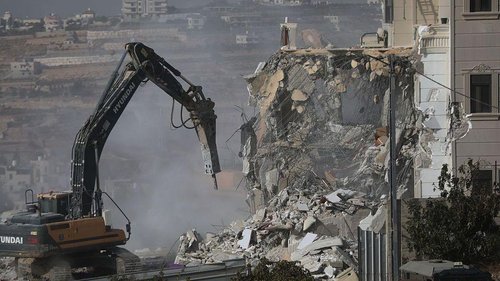
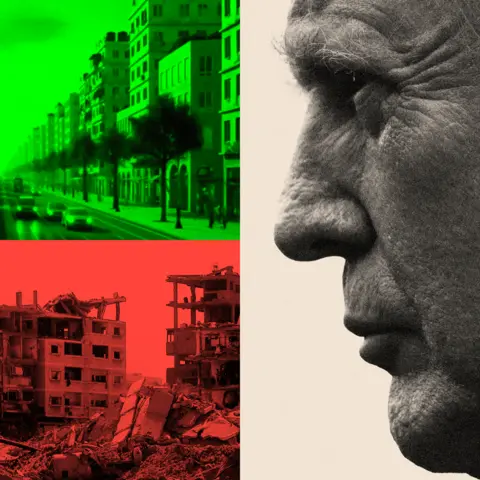
With bulldozers clearing roads and shoveling detritus from war into waiting trucks, Gaza is beginning to look like a worksite, with mountains of rubble and twisted metal marking the landscape where homes once stood.
Many residents like Abu Iyad Hamdouna wander amidst what remains of their lives, seeking remnants of the past—once their homes—now reduced to heaps of concrete and steel. Abu Iyad poignantly observes, There's no house left. For someone who has endured the loss of a home and community, the future feels grim.
The scale of reconstruction is staggering, with the UN estimating a cost of £53 billion (about $70 billion) for damage incurred during recent conflicts. Close to 300,000 residences were either damaged or destroyed, leaving about 68,000 dead. Gazans now confront challenges not just in clearing rubble, but in navigating the complex landscape of competing visions for the future.
Multiple reconstruction plans swirl around Gaza, each vying for dominance. Notably, the 'Phoenix' plan promotes local input but faces skepticism from civilians weary of external impositions. In contrast, U.S. proposals like the expansive 'Gaza Riviera' plan suggest a high-end reconstruction effort that raises eyebrows among residents who prioritize basic needs over luxury.
As the Palestinian Authority, Hamas, and international actors like the UN and Egypt present their blueprints, Gazans remain cautious. We have our own plans, asserts city officials like Yahya al-Sarraj, emphasizing community-driven efforts over foreign-imposed projects.
Beyond these plans lies a stark reality. Gazans are focusing on immediate needs—building shelters from debris and securing basic provisions in a landscape where governance is under review. The interplay between citizen desires and expansive international goals will shape how Gaza rises from the ashes, but patience and cooperation will be essential in navigating this complex tapestry.
"author": "Paul Adams, Diplomatic Correspondent"