In brief
Iran's largest steel plants have been shut down due to increased air strikes, an action that could severely impact the nation's economy. The Khuzestan Steel Company and Mobarakeh Steel Company announced that repairs might take up to a year. The military actions, which many claim were coordinated by US and Israeli forces, could damage vital production lines in a country already grappling with extensive sanctions. The situation raises concerns over broader military actions and potential disruptions to global steel supplies.
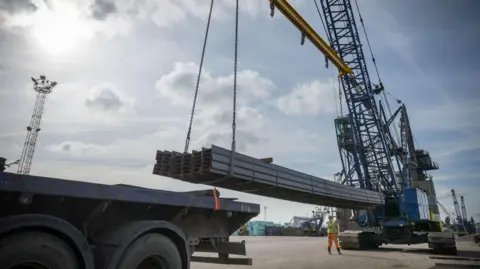
Iran's two largest steel plants have been shut down due to multiple rounds of US-Israeli air strikes, the companies operating them say. 'Our initial estimate is that restarting these units will take at least six months and up to one year,' Mehran Pakbin, deputy head of operations at the Khuzestan Steel Company in south-western Iran, was quoted as saying by Iranian media. Mobarakeh Steel Company stated its production lines in central Iran had 'completely shut down following the high volume of attacks.' The strikes, which Israeli media and Iran's foreign minister have said were initiated last Friday in coordination with the US, could severely damage Iran's economy. According to the World Steel Association, Iran is the 10th largest producer of steel globally. A halt in production may significantly impact supply chains and businesses across the country that have been affected by extensive Western sanctions. The Iranian Foreign Minister, Abbas Araghchi, noted that the airstrikes targeted not only steel factories but also a power plant and civilian nuclear sites. Israeli sources claim that the strikes are expected to result in billions of dollars in damage, linking the steel plants to the Iranian Revolutionary Guard Corps (IRGC). In return, the IRGC has stated it has targeted US-affiliated steel and aluminum facilities in Gulf states. Reports indicate a broader offensive from US and Israeli forces, with ongoing missile attacks being confirmed from Iranian territory towards the UAE. The situation has led to fears among Iranians that the military campaign may be expanding beyond governmental and military targets. Additionally, Iranian state media reported multiple attacks on civilian structures, including a healthcare facility and a major pharmaceutical company, amidst heightened tensions in the region. Internet connections in Iran have also dwindled, making the situation even more challenging to verify.The strikes reflect the continuing conflict and escalating postures between Iran and its adversaries, urging concerns of increased regional instability.