In brief
President Trump aims to bolster US defense spending to a record $1.5 trillion, marking the largest military budget expansion in decades. This proposed increase includes funding for new missile defense systems and naval vessels but comes with substantial cuts to domestic programs. Critics warn about the implications of prioritizing military over essential social services.
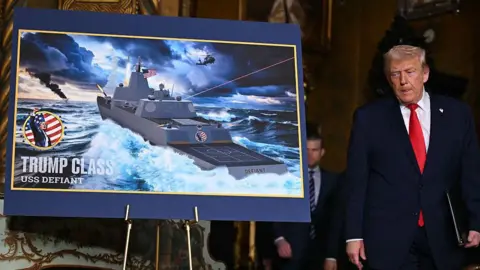
The White House is asking Congress to boost the US defence budget to $1.5 trillion (£1.1 trillion), a sweeping rise that would mark the largest expansion in military spending since the Second World War. This increase includes funding for the Trump administration's proposed Golden Dome missile defense system, as well as a boost in domestic production of naval vessels, including new Trump-class battleships.The administration stated that this proposal would coincide with calls for cuts across domestic agencies, including the elimination of some climate, housing, and education programmes. This request, which will need to be approved by the US Congress, is separate from the $200 billion sought by the Pentagon for the ongoing war in Iran.A summary of the budget posted online indicates that cuts will be achieved by 'reducing or eliminating woke, weaponised and wasteful programmes, and by returning local responsibilities to their respective governments'. President Trump has emphasized the need for military spending to be a national priority, arguing that local governments should better handle social issues like daycare and healthcare.Overall, non-defence spending in the proposed budget has fallen by approximately 10% or about $73 billion, which reflects a 42% increase over the previous fiscal year, totaling $445 billion. Of this, around $1.1 trillion would be earmarked for discretionary spending for the Pentagon, the highest on record. Additionally, the budget seeks $350 billion from a legislative shortcut that allows some measures to pass the Senate with a simple majority.The budget also outlines initiatives such as pay rises for troops and $65.8 billion dedicated to shipbuilding, which includes the advanced Trump-class battleships. Trump has highlighted the urgency to enhance domestic defence manufacturing capabilities, citing current challenges posed by competition, particularly from China. Furthermore, there are unclear funding amounts indicated for the $185 billion Golden Dome initiative, expected to enhance the US's defensive capabilities against next-generation military threats. Experts suggest that the cost implications of this expansive defence budget could hinder funding for other crucial social services.