In brief
In a public statement, President Zelensky criticized Russia for opting for a violent Easter escalation instead of honoring a ceasefire, as Russia executed a significant drone and missile attack resulting in civilian casualties across Ukraine. The situation remains tense, with both sides conducting strikes and the peace process remaining stalled amidst international complexities.
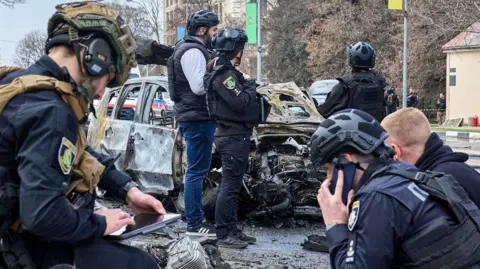
Ukrainian President Volodymyr Zelensky has accused Moscow of choosing Easter escalation over an Easter ceasefire following a large-scale drone and missile attack on Ukraine. The attack led to the deaths of six civilians and injuries to 40 others, marking a concerning uptick in major daytime strikes which had previously been rare.Zelensky indicated that these recent strikes were a direct response to his proposal for a temporary truce coinciding with the Orthodox Easter holiday. In a statement, he noted, The Russians have only intensified their strikes, turning what should have been silence in the skies into an Easter escalation.As military efforts continue, Zelensky reiterated that the proposal for a ceasefire was still on the table, highlighting the potential for future negotiations should Russia choose to respond positively.The conflict's dynamics seem to be shifting as Ukraine recently carried out deep strikes on Russian territory, targeting energy facilities and military resources, showcasing a significant escalation in retaliation efforts. This includes attacks on infrastructure in regions such as Togliatti and Taganrog, respectively.Despite the ongoing violence, Zelensky remarked on a recent intelligence assessment suggesting that the frontline situation appears more favorable for Ukraine than it has been in ten months, although he acknowledged the relentless nature of Russian air raids.The context of the war remains complicated not only due to military engagements but also due to the shifting political landscape influenced by international actors, notably the United States, whose focus has diverted to conflicts elsewhere, notably the situation in the Middle East.Zelensky has conveyed serious concerns regarding the impact of the ongoing conflict on military resources, emphasizing the challenge of maintaining adequate supplies for Ukraine's defenses amidst changing global conditions.