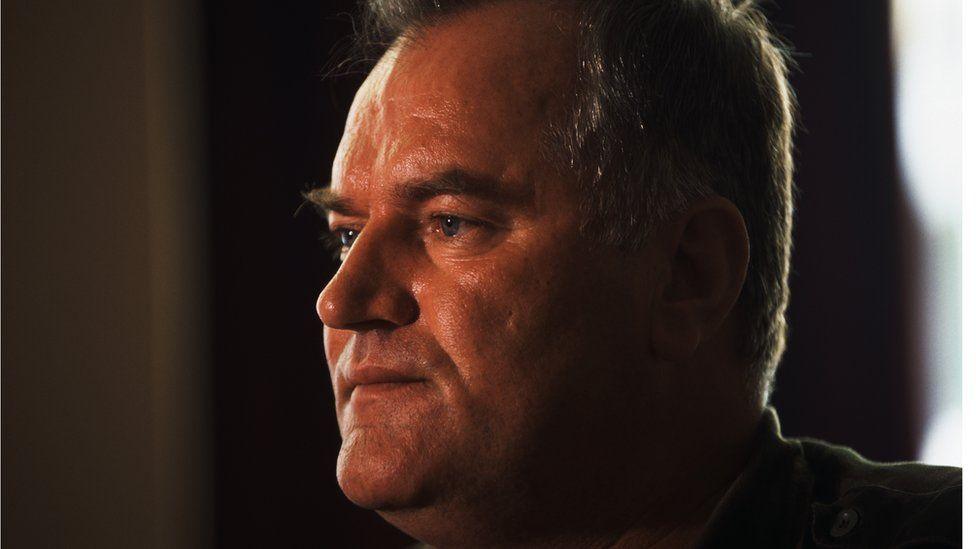
Ratko Mladić: The ‘Butcher of Bosnia’ and Europe's Darkest Genocide
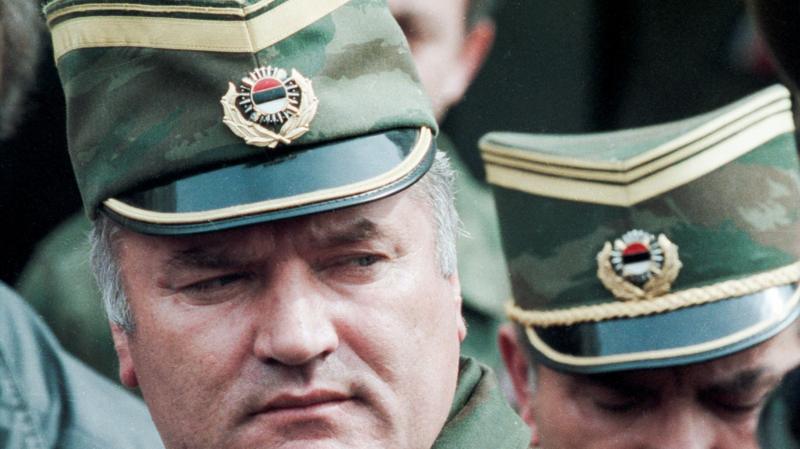
At age 84, the former Bosnian Serb commander who earned the moniker “Butcher of Bosnia” dies, leaving a legacy of mass murder that shocked Europe. From the siege of Sarajevo’s 1,425‑day shelling to the 1995 Srebrenica massacre that claimed 8,000 Bosniak men and boys, Mladić’s forces carried out the most unthinkable atrocities since WWII.
His campaign was motivated by a fanatical vision of an ethnically pure Greater Serbia—an ambition that turned every Bosnian Muslim into a perceived enemy. The campaign included relentless shelling, mass rape, forced deportations, and murder in unmarked mass graves, and was meticulously ordered from his command bunker, sometimes broadcast unencrypted to the world.
The UN declared Srebrenica a safe zone, yet Mladić’s troops, under the banner of the Republika Srpska, overran the town, round‑up men, and executed them in a slow, systematic genocide. A photo of an empty grave site, still visible on the main square, remains a stark reminder of the scale of the crime.
The international community initially failed to stop the massacre, blaming the UN’s mis‑placement of forces and an “universal” impartiality stance. In 2001, Slobodan Milošević’s arrival in Belgrade gave Mladić a safe haven until the 2000 political shift sent him into hiding. After a decade of evasion, 2008 saw him captured and hauled to The Hague.
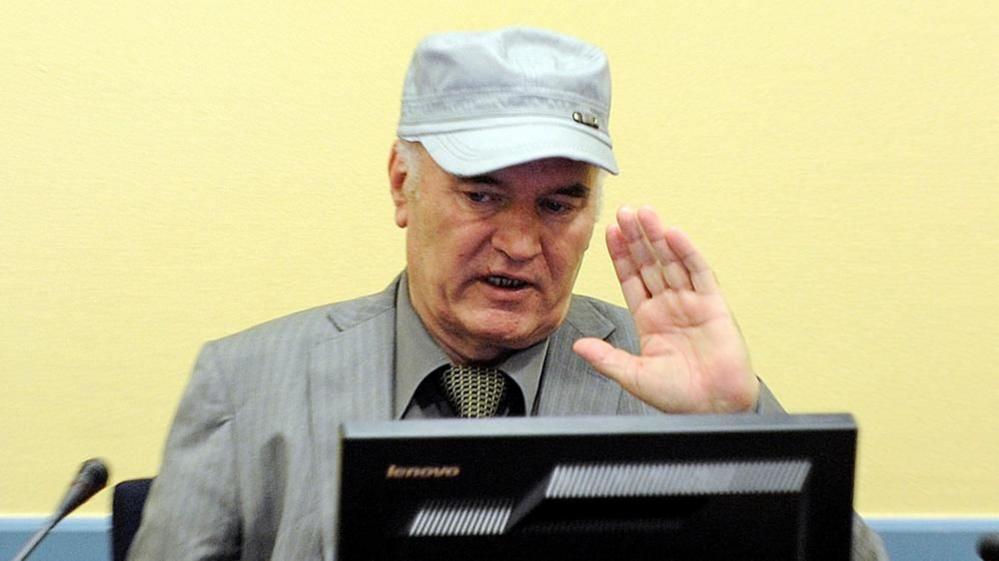
In a four‑year trial that lasted 500 days and heard hundreds of witnesses, the International Criminal Tribunal convicted Mladić of genocide, crimes against humanity and violations of the customs of war. He entered the courtroom with a grin, but was slammed by the verdict and lolled into prison, where he will spend the rest of his life.
For many Serbs, Mladić is still viewed as a hero—an image echoed in murals and political speeches. Yet for Bosniaks and the global community he embodies the darkest moments of the 20th‑century conflict. The living wounds of the war and ongoing tensions between Bosniak and Serb communities continue to test the fragile peace in Bosnia.