In brief
Sweden’s armed forces have formally requested the seizure of a lush property on Muskö island that is owned by a businessman with ties to Russia. The plot lies adjacent to the strategically vital naval base, and the military argues that Russian drones could exploit the location for surveillance or attack. The property, registered under the wife’s dual citizenship, has been a point of contention since the businessman began construction on the island. Following Sweden’s 2024 NATO membership, defence chiefs warned of heightened risk from Russian air activity. Oslo‑style policy says the national defence will guard against any tactical advantage that may emerge from the site.
Sweden Moves to Seize Russian‑Linked Property Near Muskö Naval Base
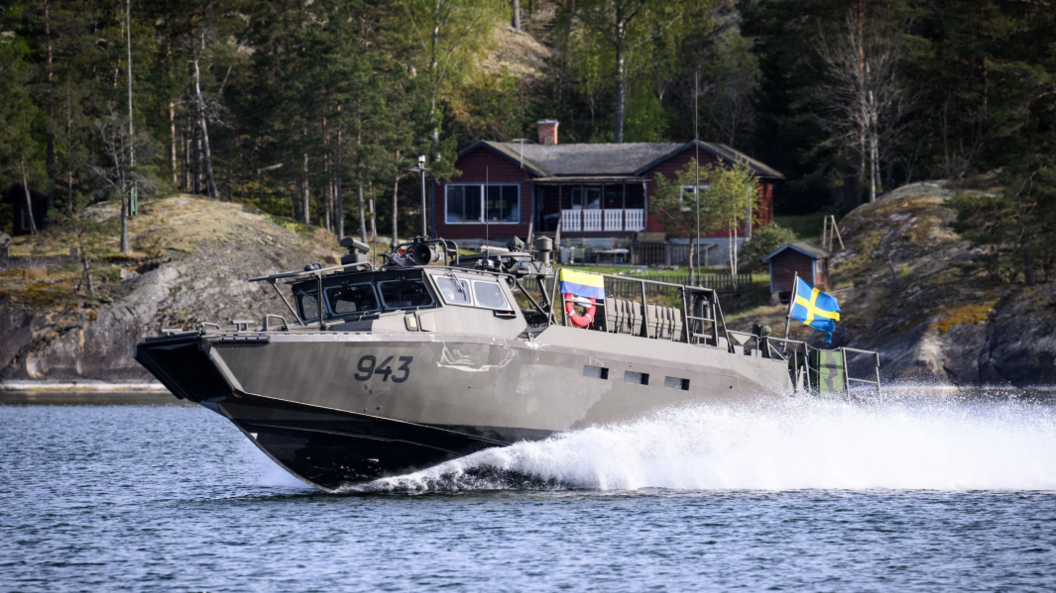
The Swedish armed forces have formally asked the cabinet to expropriate a piece of land on Muskö island that a businessman connected to Russia has been developing into a luxury estate. The plot lies just beyond the lakeside of the Muskö Naval Base, a key defence installation in Stockholm’s archipelago. The military stresses that the site provides a potential “dead‑eye” zone for Russian drones, especially given the strategic importance of the naval base.
Although the property title resides with the businessman’s wife, who holds both Russian and Swedish citizenship, authorities point to the owner’s close ties to the Russian state and the construction activity on the island as aggravating factors. Public broadcaster SVT has described the property as a “thorn” to Swedish defence interests. Defence Minister Pål Jonson has warned of the risk that the site could provide useful intelligence to adversaries if it falls under foreign influence or ownership.
This move follows Sweden’s 2024 transition from 200 years of military non‑alignment to full NATO membership after Russia’s 2022 invasion of Ukraine. Defence officials note that the evolution of Russian drone technology has dramatically shifted Sweden’s threat assessment landscape, necessitating the removal of potential blind spots near its naval assets. Chief of Defence Staff Carl‑Johan Edström pronounced the situation as “the most serious security challenge Sweden has faced since the end of World War Two.”
It remains unclear if the Russian businessman is residing in Sweden, though his wife has controlled the property since 2017. The Swedish government is deliberating the expropriation request and its legal implications. The outcome will have implications for Swedish national security policy and its broader stance on foreign-owned assets near critical defence infrastructure.