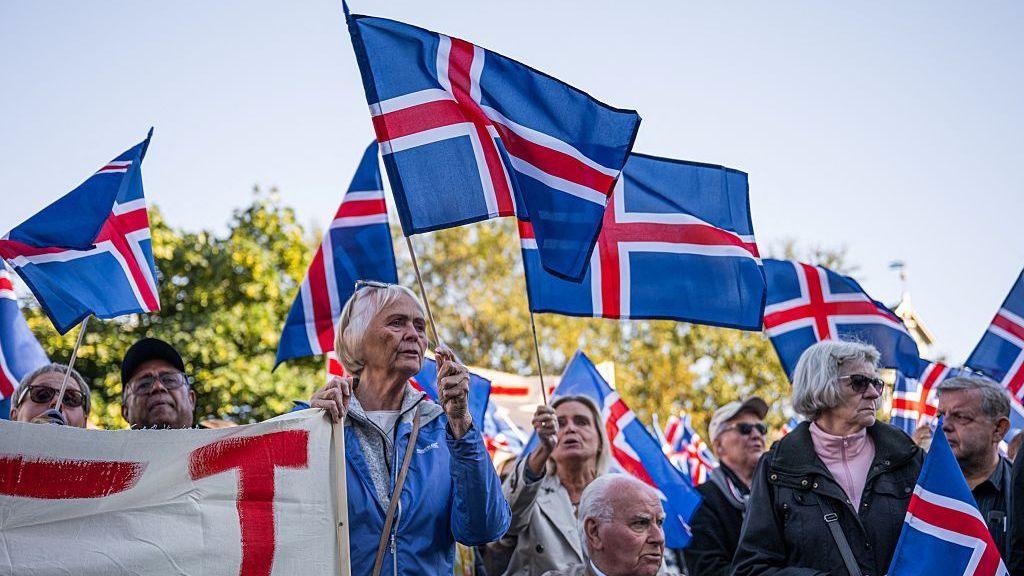
In brief
Iceland will vote on Saturday to determine whether it should resume talks to join the European Union. Polls suggest a very close race, with the “No” campaign holding a slight lead. The decision hinges on issues such as fishing‑industry control, sovereignty, and economic benefits. A “yes” vote would trigger a further referendum and parliamentary approval; a “no” vote would keep the status quo.
Iceland voters will decide this Saturday whether the nation should reopen negotiations to join the European Union. The question on the ballot is whether Iceland should resume accession talks with the EU, a matter that has made the political atmosphere very tight.
Polls show the “No” side leading at about 51.6 %. Earlier surveys had the “Yes” side slightly ahead – the margin remains narrower than any other recent referendum.
What is the vote about?
The referendum will decide whether Iceland would begin new accession negotiations. At present the country is already in the EU’s single market and Schengen area but has not joined the customs union or adopted the euro.
A “yes” vote would be the first step toward full membership, but a second referendum, parliamentary approval and a ratified constitution would still be required. A “no” vote would leave the island in its current status, though future talks would not be excluded.
Key issues behind the debate
- Sovereignty and fishing – Iceland’s fishing industry accounts for nearly 40 % of exports; the protection of its waters under the Common Fisheries Policy is a major concern for the “No” camp.
- Economic stability – While the country enjoys high GDP per capita, interest rates remain high and inflation has risen to 5.6 %. The “yes” side argues EU membership could ease these pressures.
- Security – Iceland has no standing army and relies on NATO, with a US defense agreement dating back to 1951. The “no” side stresses that EU membership is not a substitute for NATO’s security umbrella.
Two sides speak
Prime Minister Kristrún Frostadóttir heads the “yes” team, emphasising Iceland’s current EU integration and the safety a membership could bring. The “no” side is led by Guðrún Hafsteinsdóttir, Opposition Independence Party chair, who argues that the vote focuses on handing decision‑making powers for fisheries and natural resources to Brussels.
Implications of the result
A “yes” would restore EU accession negotiations and begin the complex path toward membership, including a future poll and constitutional amendments. A “no” would reaffirm Iceland’s existing arrangement outside the EU customs union and the euro, while leaving the doors for future talks open.