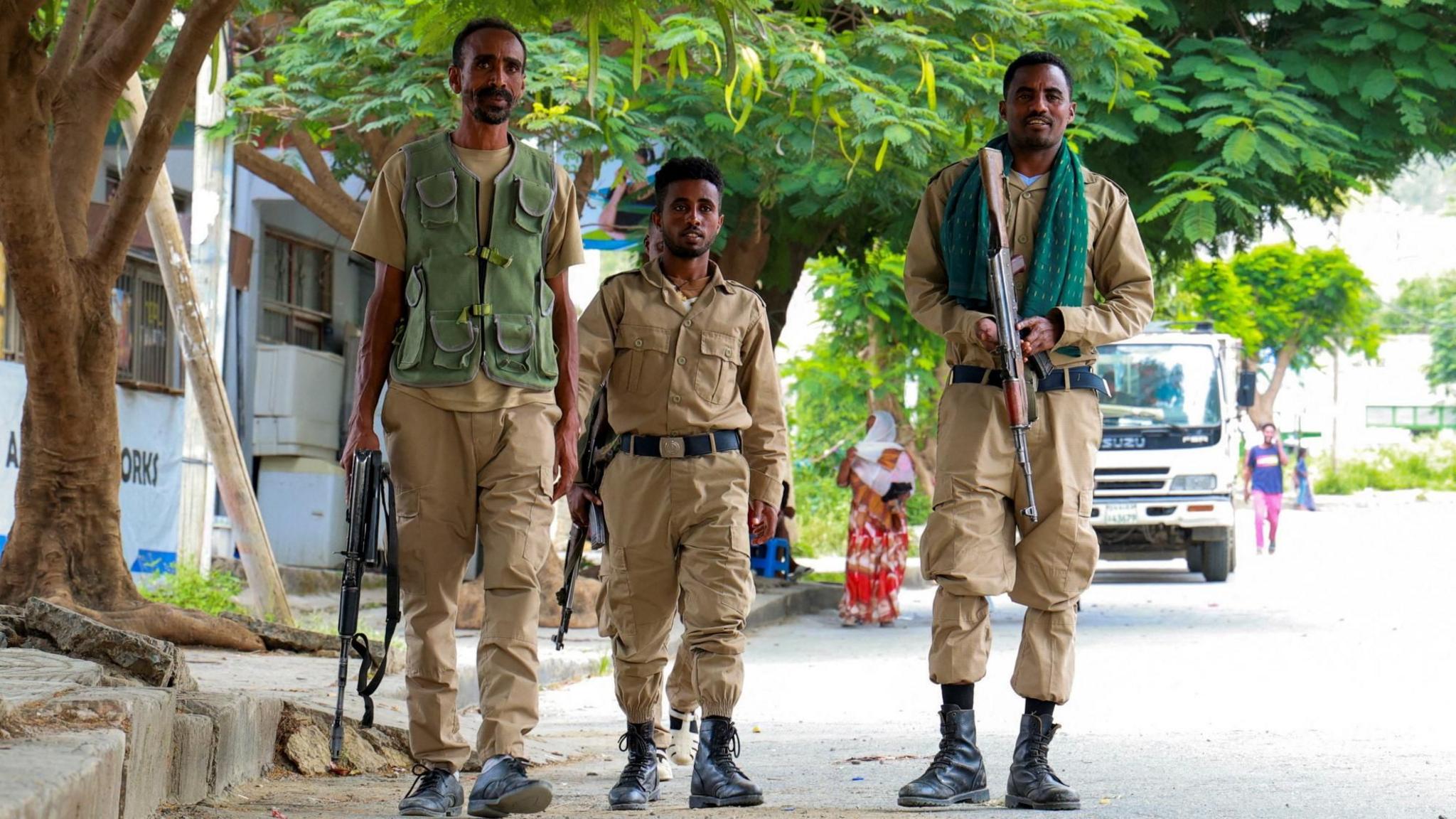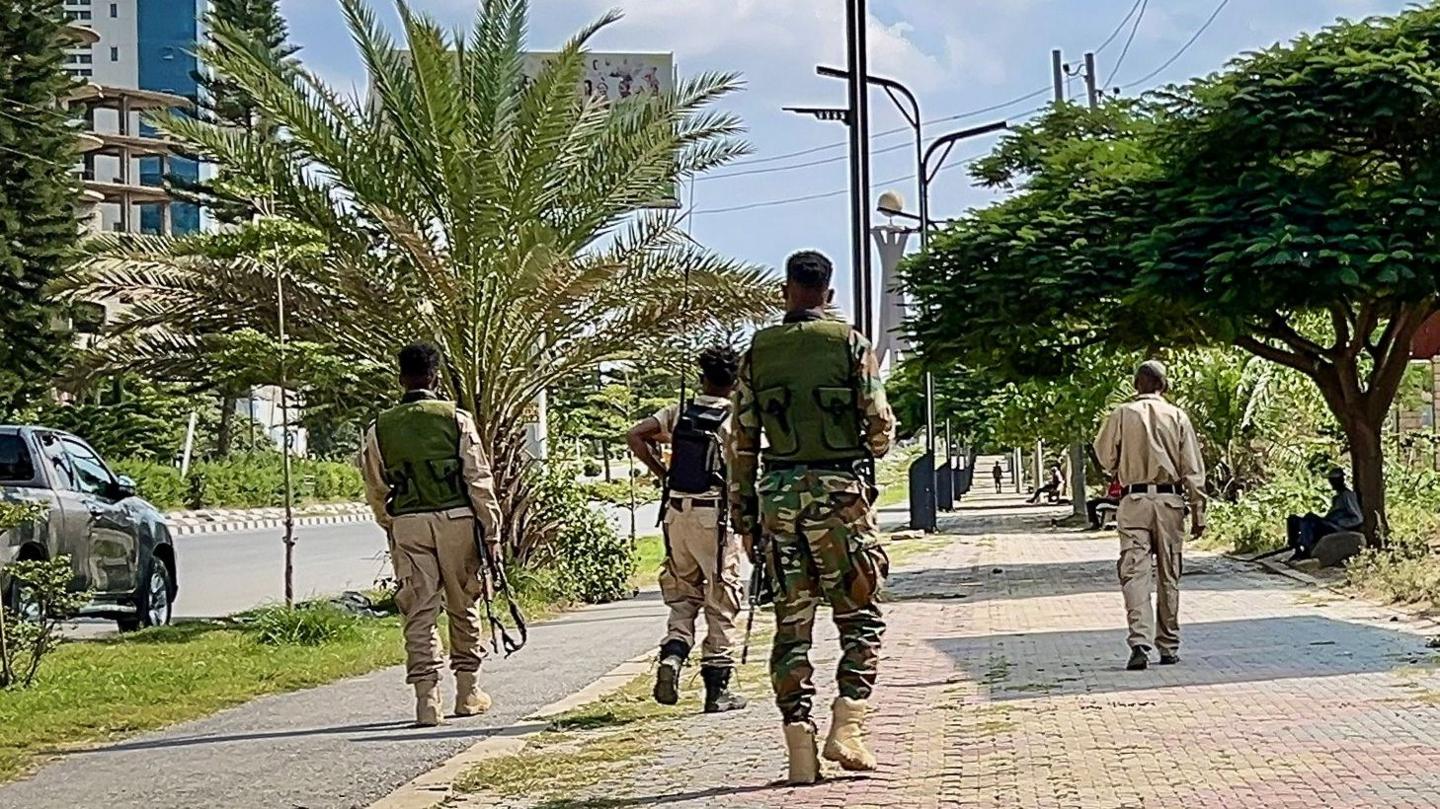
Alamata, Ethiopia – A surge of fighting in the northern Tigray region has claimed the lives of at least 52 civilians, hospital officials told BBC News. The clashes began three days ago after government troops took control of the town, with plans to push north toward the regional capital Mekelle.
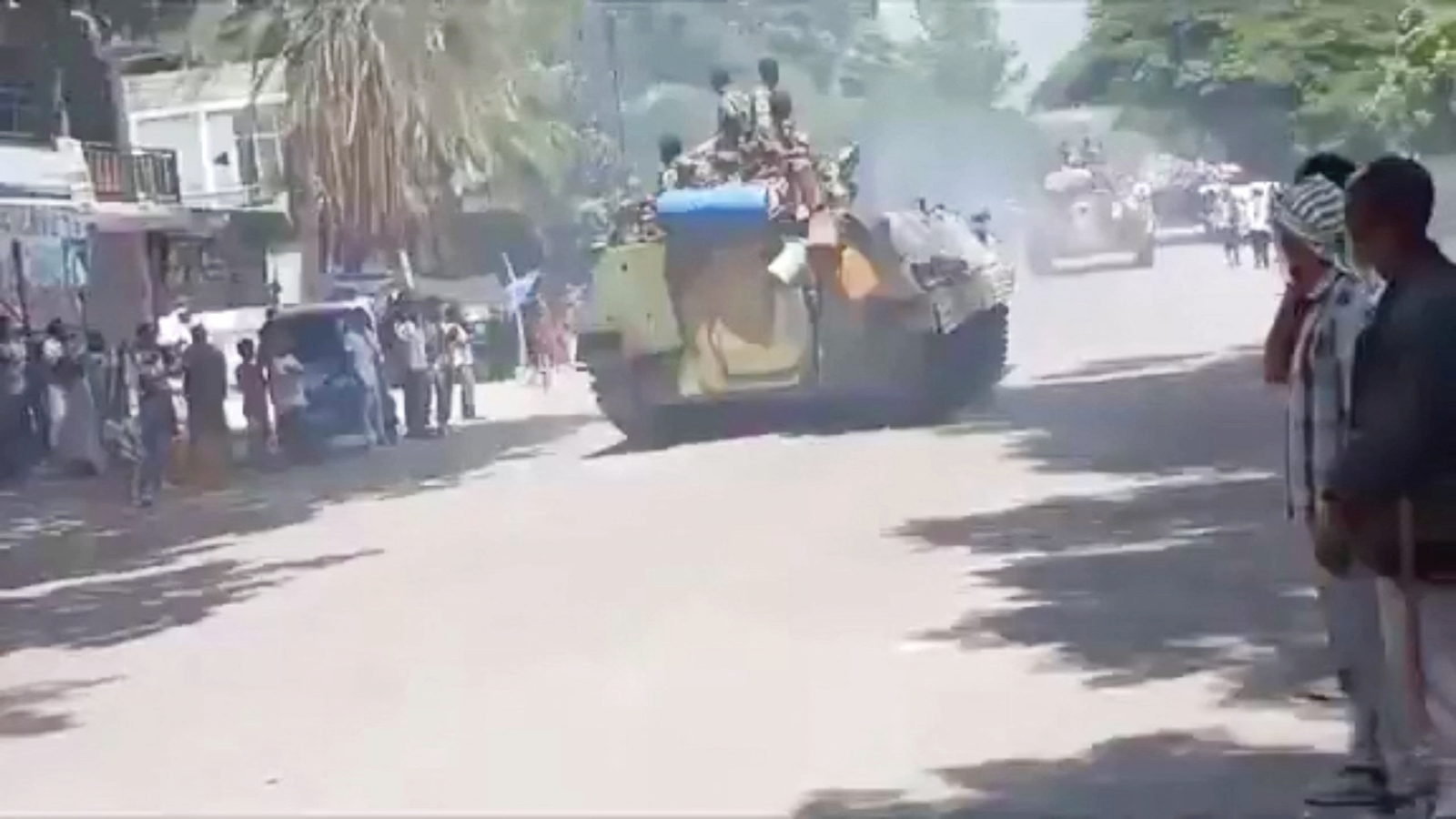
Photographs released on social media show tank columns manoeuvring along Alamata's streets, a stark reminder of the sudden shift from uneasy ceasefire to full‑scale combat. The Tigray People’s Liberation Front (TPLF), which administers the region, attributes the latest offensive to a federal attack, whereas the Ethiopian federal government argues that Tigrayan forces ignited the conflict by seizing local airports.
Beyond Alamata, the war has strained neighbouring areas. In Lalibela – a UNESCO world‑heritage city famed for its rock‑cut churches – tourists found themselves stranded when the airport was abruptly shut to commercial flights. Although a military helicopter evacuates some, many international visitors remain trapped amid uncertainty and fear of renewed hostilities.
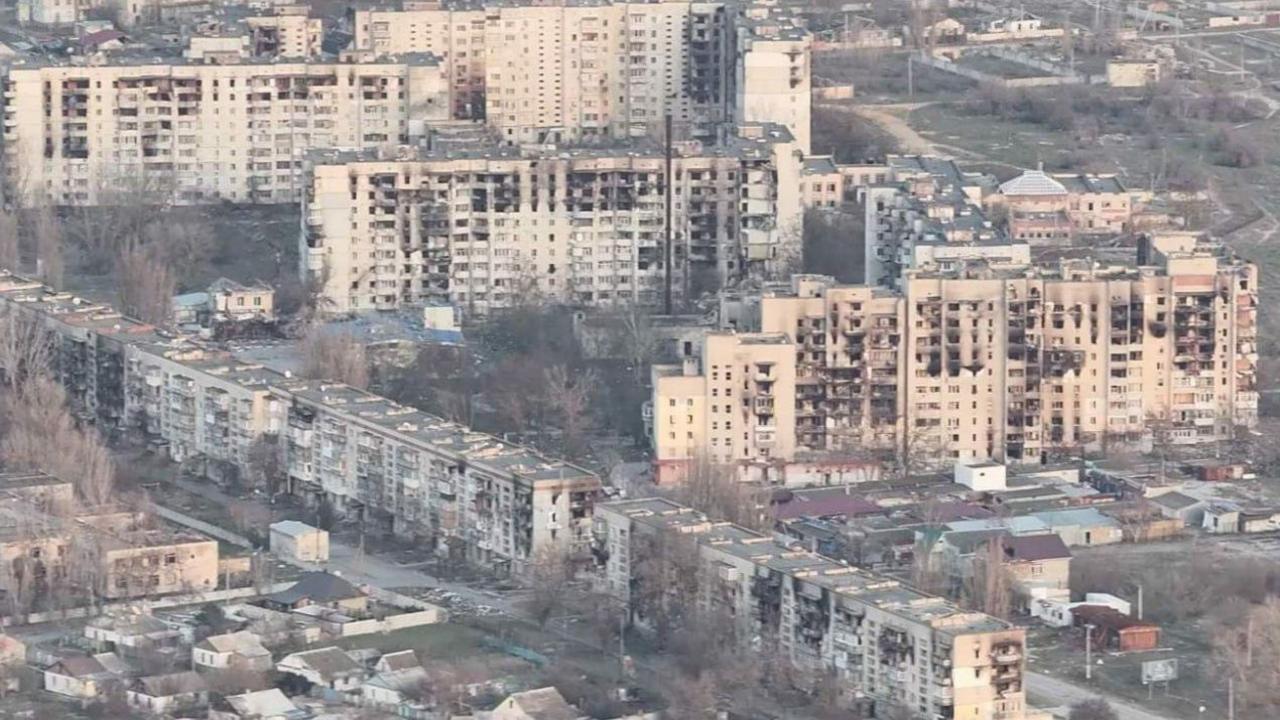
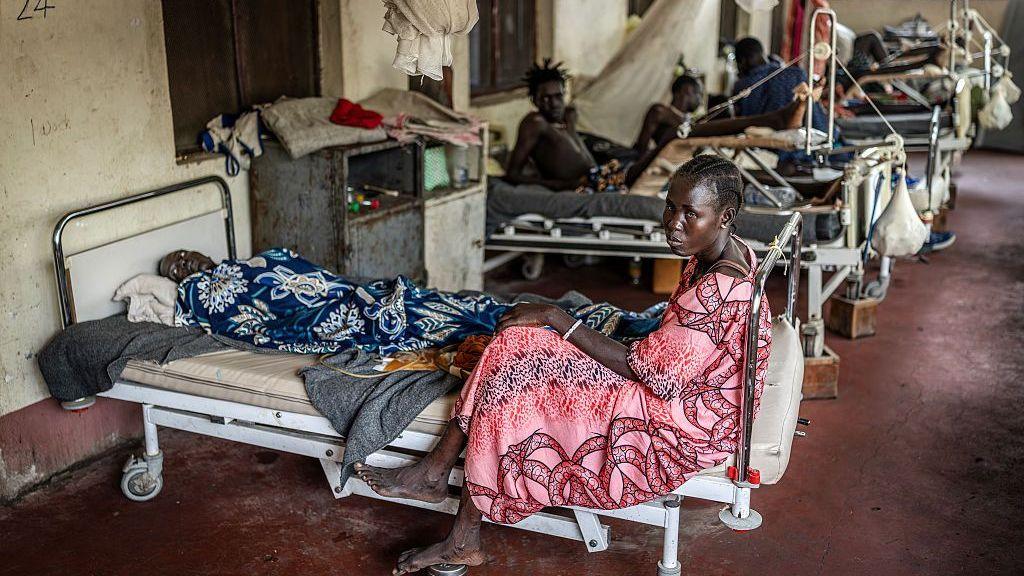
The humanitarian toll is mounting. Médecins Sans Frontières has admitted to more than 700 wounded patients in hospitals it supports across Tigray. One Alamata General Hospital doctor, who asked to remain anonymous, recounted that the bombardment involved heavy artillery, with explosions falling into residential homes. Children as young as three days old, mothers and cattle herders were among the victims, and a single strike on a crowded marketplace resulted in twelve deaths.
Communications in the region have deteriorated sharply. Banking services for people in Tigray were suspended, and the internet appeared to have been cut, though the origin of the shutdown is unclear. For many displaced residents, the lack of phones, power and money transfers has amplified fears of a deepening crisis. Former Mekelle residents now in Addis Ababa have reported that their accounts were frozen, creating severe economic hardship for refugees from Tigray.
In a bid to maintain some connection with families inside the blockaded area, Tigray Broadcasting Service (TBS) launched a satellite feed via Telegram messages. While limited to greetings and brief updates, the service provides a critical lifeline in the absence of normal communication channels.

The cost of the conflict continues to rise. As the country’s economy falters, international observers fear that the fragile state may be pulled into broader regional tensions, especially with Eritrea expressed as a potential ally of the insurgent forces. With no means to exit or negotiate safely, the civilian population remains caught in a cycle of violence.