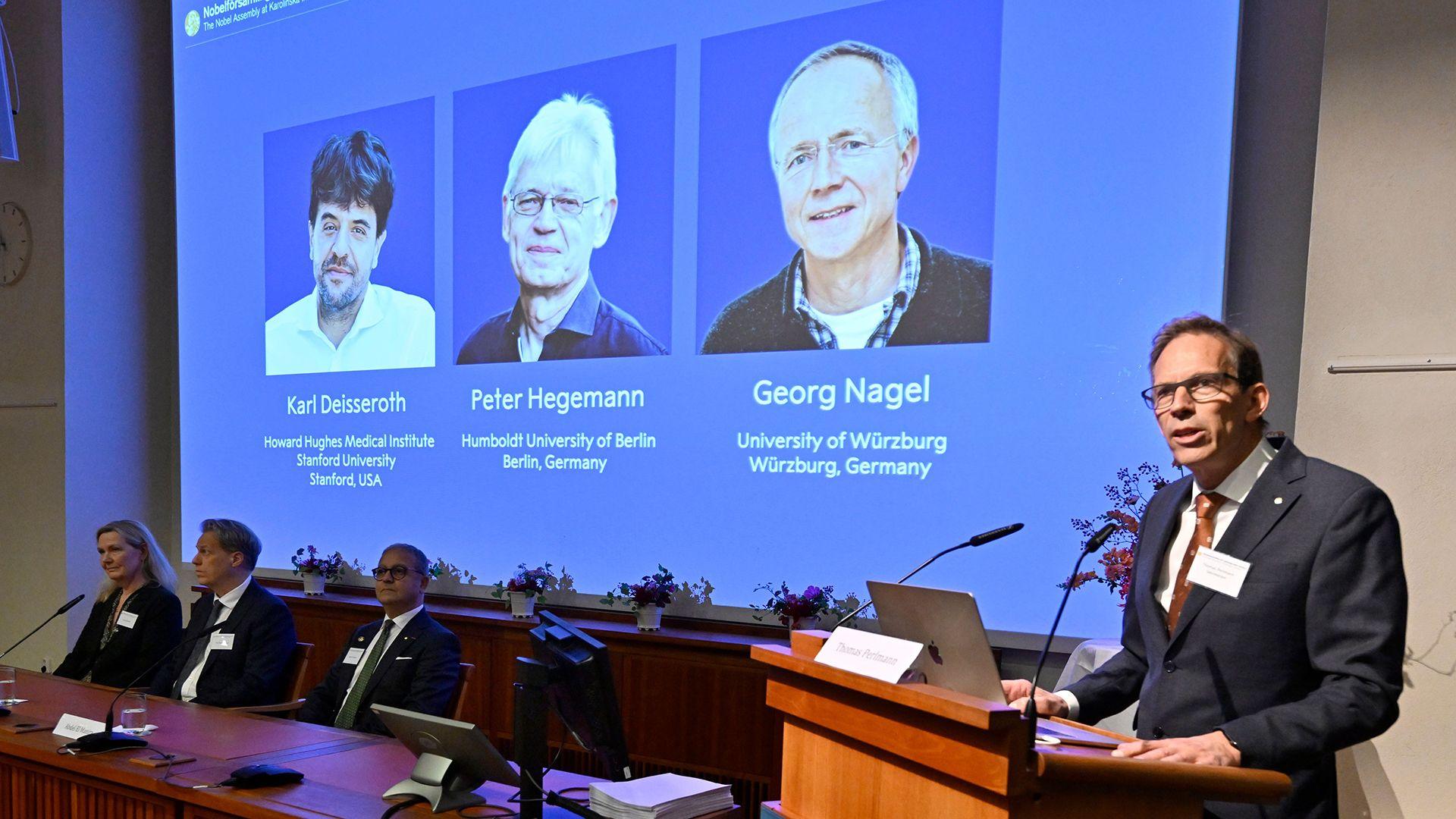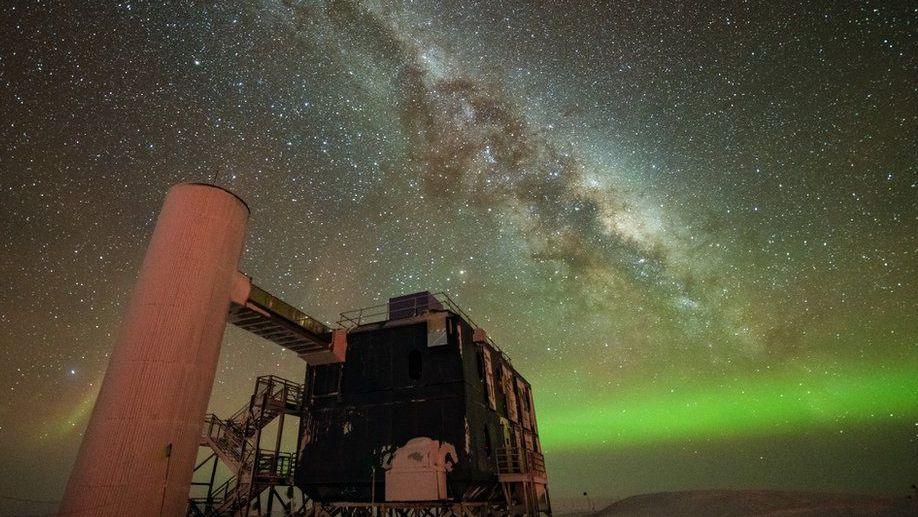

On 6 October 2026, the Royal Swedish Academy of Sciences announced that Professor Francis Halzen of the University of Wisconsin‑Madison had received the Nobel Prize in Physics for his pioneering work on the IceCube Neutrino Observatory.
IceCube is a vast instrument buried in a cubic kilometre of Antarctic ice, instrumented with thousands of optical sensors that register the brief blue flash produced when a neutrino interacts with an atomic nucleus. Because neutrinos almost never interact with matter and are unaffected by magnetic fields, their direction preserves a straight line back to their astrophysical source, allowing astronomers to “see” the most violent events in the universe.
Halzen first articulated the idea in 1988, and the project has grown into an international collaboration that now routinely records hundreds of high‑energy neutrino events each year. The Observatory has already confirmed the existence of a population of extragalactic neutrinos and has linked neutrino bursts to flaring blazars, providing a new cosmic messenger alongside light and gravitational waves.
Mark Pearce, Chair of the Nobel Committee for Physics, said of Halzen: “His tenacity and scientific vision have paved the way for a new kind of astronomy that probes the universe in unprecedented ways.”
Looking ahead, Halzen and his team plan to expand IceCube’s sensitivity, enabling even deeper insights into the origins of cosmic rays and the physics of extreme environments such as black‑hole accretion disks and neutron‑star mergers.