Nobel Prize Honors Optogenetics Pioneers Revealing Brain’s Secrets
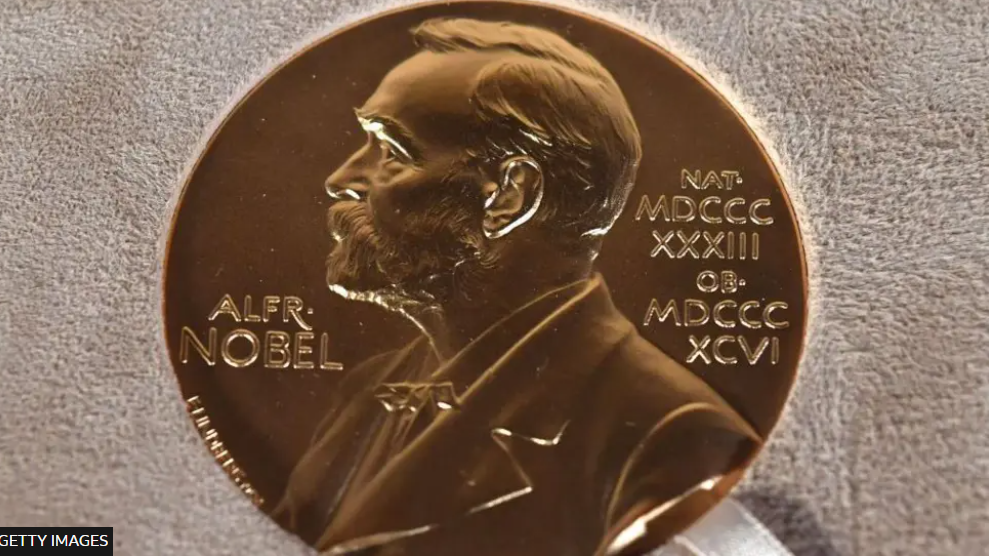
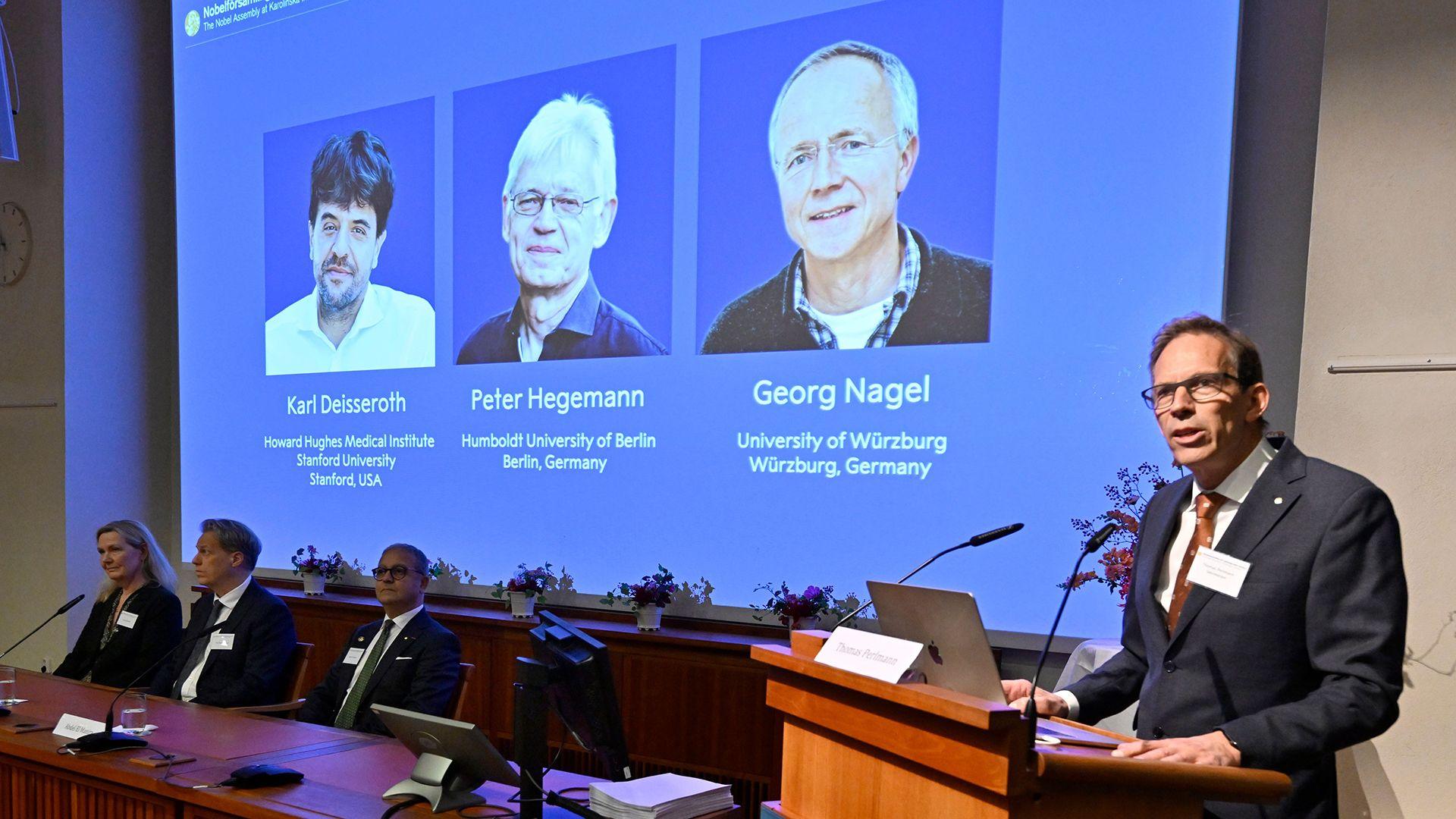
US psychiatrist Karl Deisseroth, together with German colleagues Peter Hegemann and Georg Nagel, were awarded the 2026 Nobel Prize in Physiology or Medicine for their pioneering work in optogenetics – a technique that uses light to control brain cells.

The Nobel Committee lauded the trio for laying the foundation of a new era in neuroscience, emphasising how their work has made it possible to switch neuronal circuits on and off and to bring memories and emotions to life – insights that are crucial for understanding and treating neurological and psychiatric disorders.
One of the most tangible clinical applications emerging from optogenetics is the use of engineered light‑sensitive proteins to restore sight in patients with retinitis pigmentosa and other retinal degenerations. Early trials have shown that patients can regain a degree of vision when worn goggles that emit the appropriate light wavelengths.
What Is Optogenetics?
Optogenetics combines molecular biology and optics to illuminate neuronal activity. It relies on a protein called channelrhodopsin, first identified by Hegemann and Nagel in algae, which allows scientists to control the electrical signals in neurons with precise pulses of light.
Deisseroth demonstrated how to deliver this protein to the brains of mice, enabling the selective activation and inhibition of specific neural circuits. This breakthrough has allowed researchers to map the functions of different brain regions and to examine how subtle changes in activity underlie behaviour.
According to the Nobel Committee, optogenetics enables researchers to switch individual neural circuits on or off, to unravel how memories form and extinguish, and to explore the neuronal basis of disorders ranging from Parkinson’s disease to schizophrenia.
Restoring People’s Sight
Clinical studies have begun to translate optogenetics into therapy. By inserting channelrhodopsin into damaged retinal cells, researchers can reactivate visual pathways when patients wear specialized light‑emitting glasses. The resulting light signals emulate the function of lost photoreceptors, giving patients a new sense of sight.

If successful, this technology could offer a transformative cure for patients who have lost vision to untreatable retinal diseases, turning the long‑awaited dream of restoring sight into a realistic possibility.
The Nobel Assembly welcomed the award, calling it “absolutely wonderful” and expressing gratitude for sharing the honour with colleagues. The three laureates will split the prize money of 12 million Swedish krona (about £900,000).