In brief
The Trump administration's recent enforcement of compliance standards for trucking schools, targeting nearly half of them for noncompliance, is expected to have limited impact on the trucking industry, according to experts. While major schools remain unaffected, the focus intensifies on immigrant drivers, who face challenges amid new scrutiny following incidents involving unauthorized drivers. Many immigrants are hesitant to operate in certain states due to fear of harassment. As training standards tighten, the balance between maintaining sufficient qualified drivers and ensuring safety is at the forefront of industry discussions.
The Trump administration’s latest move to enforce standards for commercial truck drivers, by flagging nearly half of the driving schools as noncompliant, is not expected to disrupt the industry significantly. However, the scrutiny faced by immigrant drivers may raise concerns.
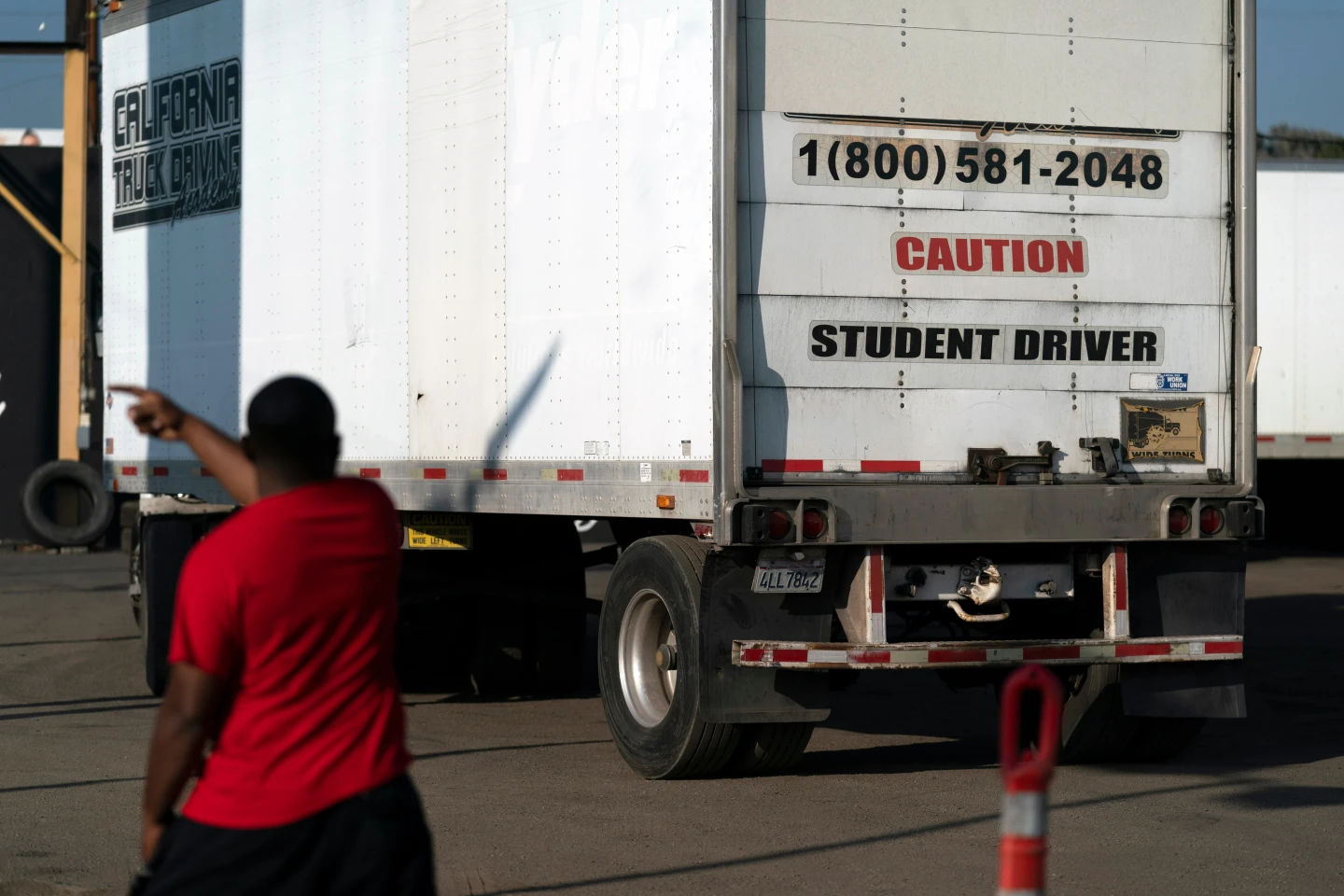
The larger, reputable schools were not included on the noncompliance list, suggesting that many flagged schools were already inactive. Trucking industry officials predict that disruptions will be minimal. The self-certification process initiated in 2022 contributed to some questionable schools receiving recognition. The effective enforcement of training standards, particularly for immigrant drivers, will unfold gradually as licenses come up for renewal.
Current industry dynamics show an abundance of available drivers, reflecting a 10% drop in shipments since 2022 amidst economic uncertainties, though trucking firms still struggle to recruit well-qualified drivers with clean records.
A recent incident involving a truck driver, as noted by Transportation Secretary Sean Duffy, raised concerns when an unauthorized driver caused a collision in Florida that resulted in three fatalities. This has prompted the administration to emphasize the necessity for truck drivers to meet English proficiency standards. Following the crash, Department investigations into commercial driver license programs intensified, leading to proposed new restrictions that threaten noncitizen applications for semi-truck or bus licenses.
While a court temporarily halted the new regulations, Duffy's warnings of withholding federal funds from states like California and Pennsylvania highlight the ongoing pressure for compliance. California’s response included revoking 17,000 licenses.
Concerns mount particularly among immigrant drivers. Dave Atwal, a trucking company owner, noted that many drivers feel targeted and are afraid to operate in certain states, leading to staff shortages. Despite having experienced drivers, many remain unable to renew licenses due to restrictive policies. Such sentiments are prevalent within the Sikh community, which has witnessed a decline in truck drivers as fear of harassment escalates.
Industry experts suggest that while significant changes may not manifest immediately, they expect impacts over time. With stringent standards, the objective is to ensure safer drivers, drawing support from many reputable training schools advocating for compliance.
Although the decertification of nearly half of all trucking schools risks limiting new driver recruitment and potentially leading to long waiting periods, the majority of schools flagged were already nonoperational. Advocates argue that these measures are essential for maintaining industry standards, emphasizing the importance of graduating competent drivers who can navigate the complexities of operating large vehicles safely.