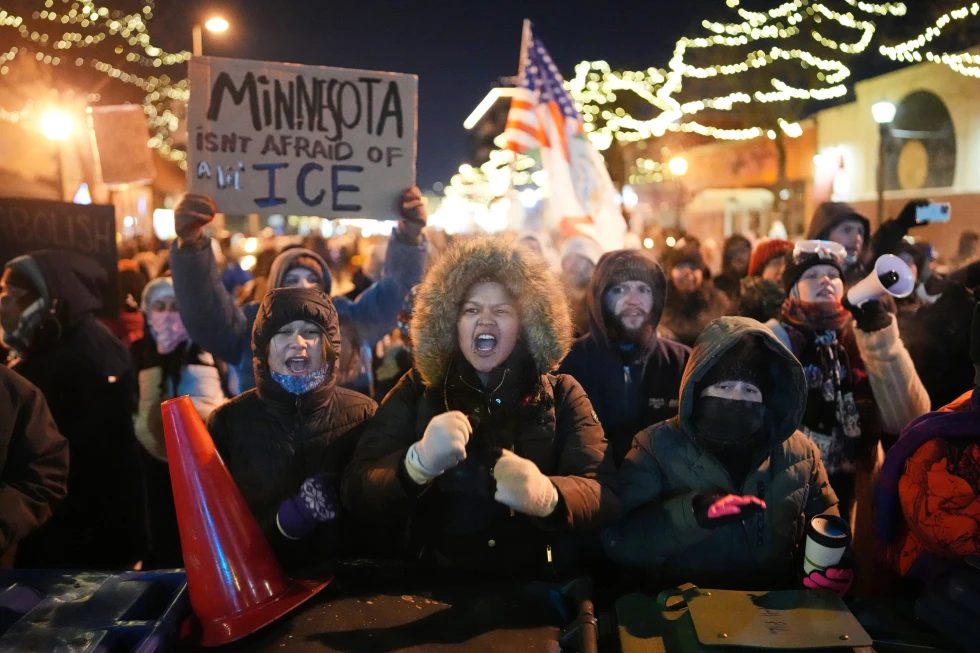
MINNEAPOLIS (AP) — The haunting sounds of whistles and honking horns have become emblematic of life in Minneapolis as thousands follow immigration agents throughout the city. This grassroots movement has emerged in response to the Trump administration’s Operation Metro Surge, which targets immigrants across the United States.
A diverse group comprising teachers, scientists, small business owners, and community members has coalesced into an anonymous yet impactful network. Their primary goal is to assist local immigrants — through warning them of imminent raids, providing rides to work, and filming the operations for the world to see.
Even as the White House adopts a conciliatory tone following protests sparked by the death of Alex Pretti, activists signal that these efforts will persist. Andrew Fahlstrom, who leads the volunteer group Defend the 612, articulated a steadfast resolve among his peers: We understand the rhetoric may change, but the core threats remain unchanged.”
The Surge Begins
What began with sporadic arrests in December quickly escalated into one of the largest immigration operations in U.S. history, as reported by ICE officials. This enforcement surge has resulted in over 3,400 arrests and visible law enforcement tactics in immigrant-dense neighborhoods.
While federal officials claim their focus is on serious criminals, experiences on the ground suggest a far more aggressive approach, with agents randomly stopping individuals and demanding identification, impacting not only immigrants but also local workers and residents.
Community Response
In the face of these challenges, activist groups in the, traditionally progressive, Minneapolis-St. Paul area mobilized quickly. Volunteers began organizing food deliveries, assisting those fearful to leave their homes, and creating intricate communication networks via encrypted apps to track ICE movements.
With the emergence of protest caravans trailing ICE convoys, groups have devised ways to raise alarms and provide legal guidance to those targeted by immigration officials.
Tensions Rise
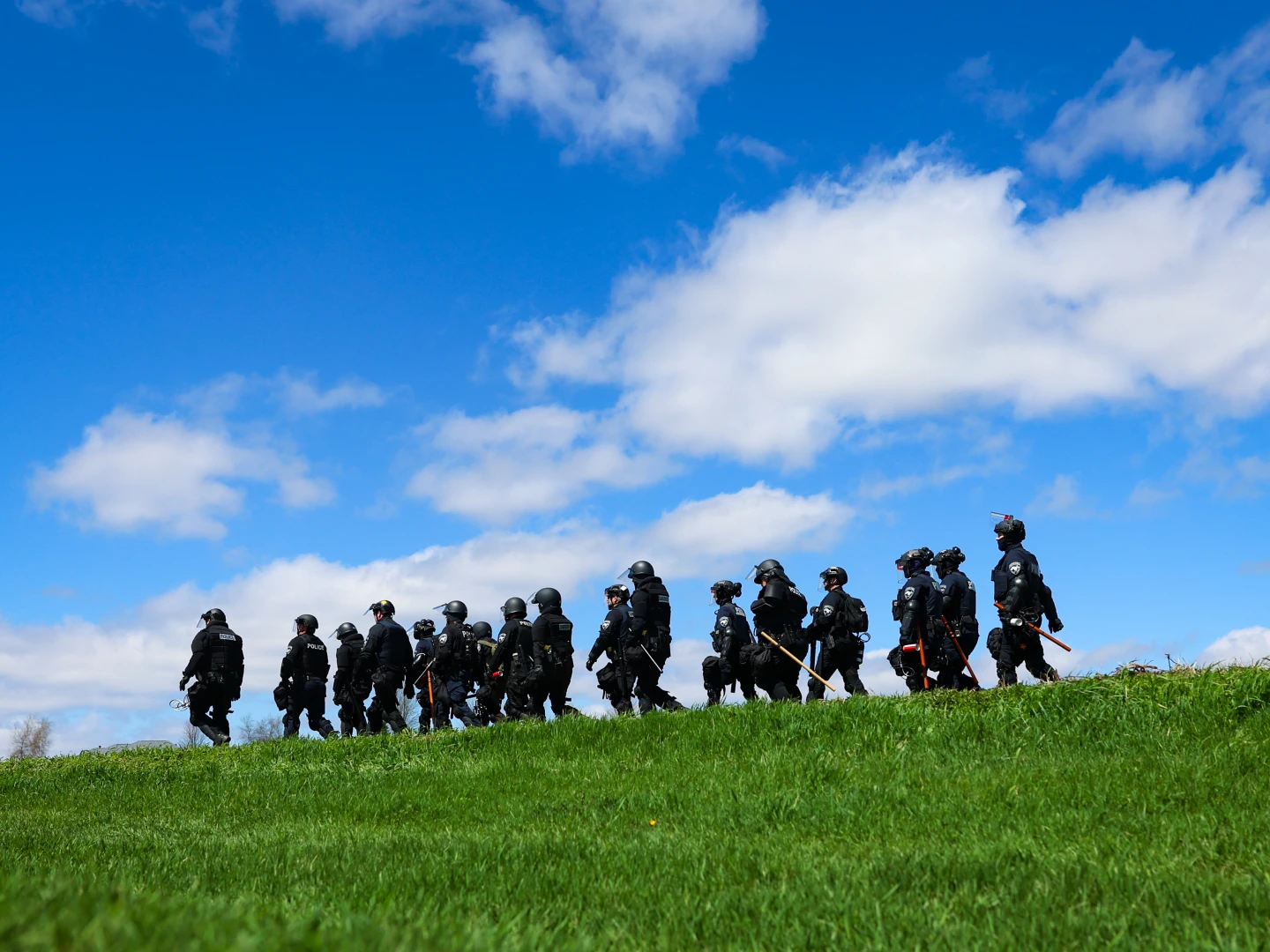
However, tension is palpable as confrontations continue between activists and immigration agents. Protests can escalate into volatile situations, drawing reactions from both sides, leading to pepper spray and tear gas being used against demonstrators.
While some activists continue to confront these agents directly, others in the community fear that such confrontations could have dire consequences, advocating instead for measures that do not risk escalating the situation.
Personal Accounts
The commitment of volunteers like a woman known only as Sunshine exemplifies the personal stakes involved. Constantly patrolling known immigrant neighborhoods, she works to ensure the safety of families affected by current policies, navigating the fine line between caution and advocacy. “I feel like I have no choice but to monitor,” she stated, reflecting the urgency of the situation many residents face daily.
As Minneapolis grapples with these developments, residents remain hopeful and steadfast in their support for one another, highlighting a powerful community commitment in the face of fear and uncertainty.