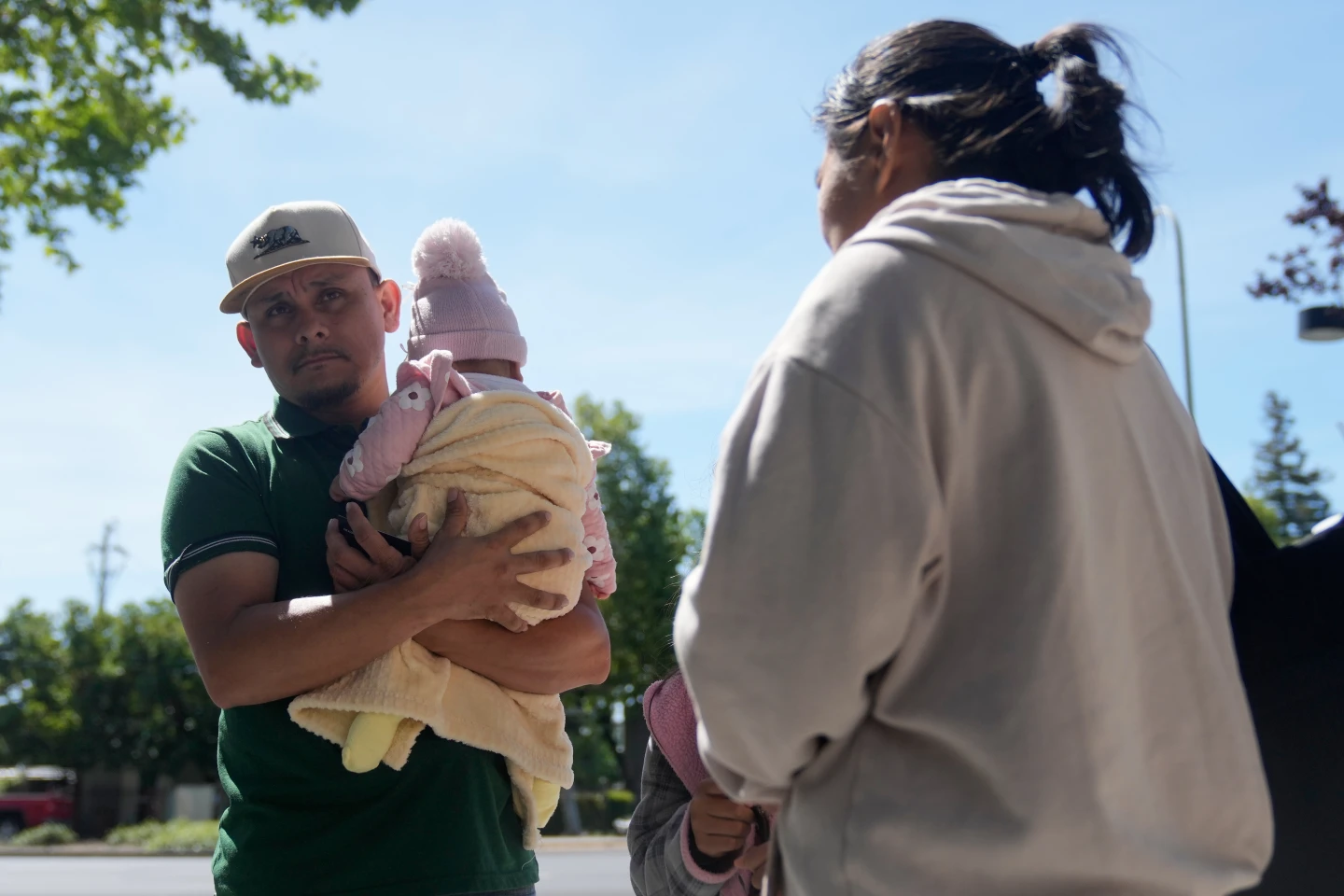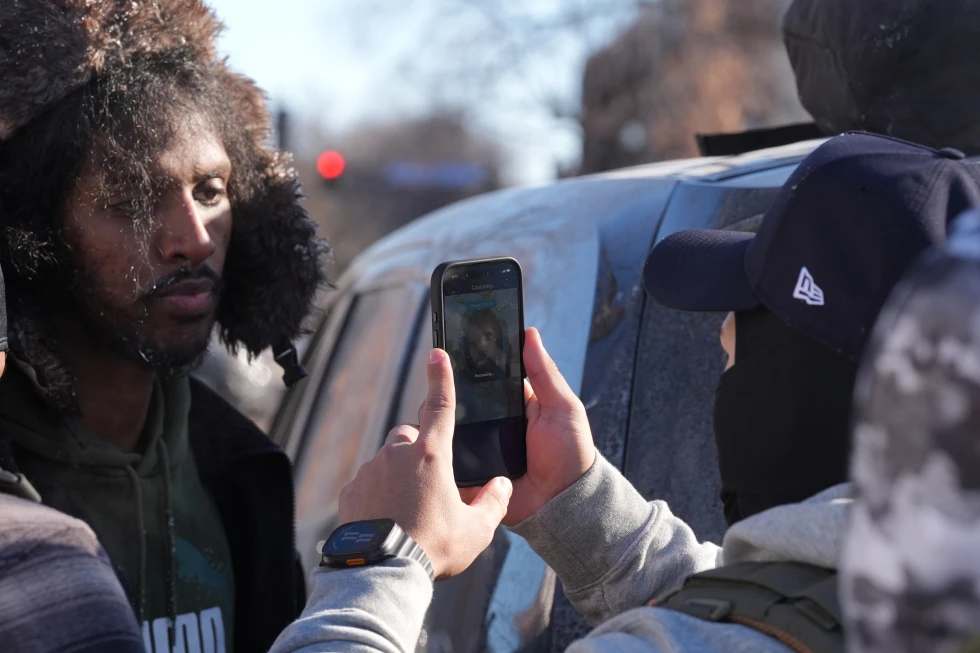
Luis Martinez was on his way to work in the icy weather of Minneapolis when federal agents abruptly surrounded his SUV, forcing it to a stop. Agents, masked and demanding his identification, held a cellphone inches from his face, scrutinizing his biometrics by scanning the contours of his face.
The inquiry about his citizenship echoed in the atmosphere of heightened surveillance, as federal agencies ramp up their immigration enforcement practices. This incident reflects a broader pattern under the Trump administration, noted as their most severe crackdown in Minnesota yet, which has come under national scrutiny after two U.S. citizens were fatally shot by federal agents earlier this month.
While officials proclaim that these operations are aimed at serious offenders, evidence suggests a significant reliance on biometric tools and interlinked databases, demonstrating the expansive reach of digital surveillance in the U.S. immigration system.
Civil liberties advocates express grave concerns about the implications of such surveillance technologies, warning that they could indiscriminately target both citizens and noncitizens with little transparency or accountability.
Martinez's experience was ultimately resolved after he produced his U.S. passport. It was terrifying; people are leaving the state because it’s no longer safe, he lamented, highlighting the anxieties shared among the community over recent immigration practices.
The Department of Homeland Security expanded its capabilities, partnering with local and international agencies and technology firms to gather vast amounts of personal data, including immigration records and facial recognition data from vehicle databases.
The government's increasing access to biometric data—including that from a facial recognition application named Mobile Fortify—is part of a strategy that advocates worry poses a threat to privacy rights and civil liberties without necessary checks.
Despite reassurances from DHS that technology deployment aids in the apprehension of serious criminals, experts warn of the risks associated with excessive surveillance and potential abuse.