In brief
Chicago's Little Village, once buzzing with life and commerce, has transformed into a quieter, less active community following a series of ICE raids. The Operation Midway Blitz targeted undocumented immigrants, resulting in significant drops in customer foot traffic for local businesses. Interviews reveal the fear and uncertainty affecting small stores and vendors, with many residents opting to stay indoors due to concerns over potential immigration enforcement. As local leaders attempt to rally support for businesses, the economic impacts are palpable, with some stores reporting sales decreases as steep as 60%.
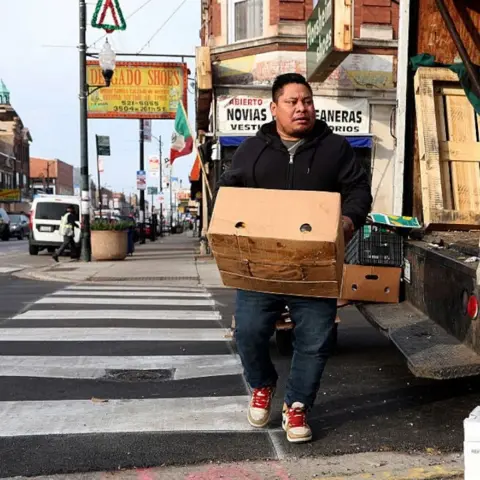
The recent surge of ICE activities in Little Village, Chicago, has drastically changed the landscape of this traditionally vibrant, predominantly Hispanic neighborhood. Business owners and residents alike are grappling with the repercussions of intensified immigration enforcement actions under the Trump administration's Operation Midway Blitz, aimed at uncovering undocumented immigrants. As ICE raids have disrupted the daily rhythms of this community, many local establishments report substantial drops in sales and customer engagement.For instance, Carlos Macias, who runs a grocery shop and restaurant established by his father over 50 years ago, noted that business has dropped significantly due to fears over immigration raids leading customers to stay home. Local politician Alderman Michael Rodriguez has similarly expressed his concerns, highlighting a significant economic downturn caused by the atmosphere of fear that ICE operations have instilled in the community.Despite the local government's efforts to encourage people to shop in solidarity with their neighbors and invest in local businesses, many shops along 26th Street—the neighborhood's main thoroughfare—have observed a decline in foot traffic and sales by anywhere from 30% to 60%.As residents avoid going out for fear of being apprehended, vendors have also felt the impact. Christina Gonzalez from Taqueria Los Comales reports having to adjust work hours for staff and seeing less customer turnout. The neighborhood, known for its array of local shops catering to the Latino population, is now witnessing a significant fall-off in the bustling street life that once characterized Little Village.The repercussions of these raids extend beyond just the immediate economic concerns, entangling the community in a web of anxiety and uncertainty regarding safety and family stability. With considerations regarding the future of immigration policies looming on the political horizon, the atmosphere in Little Village remains fraught, prompting both local leaders and community members to continue fighting for resilience through these challenging times.