In brief
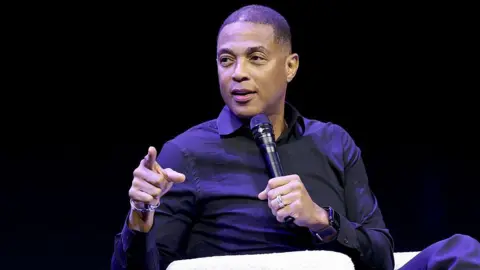
Don Lemon, the former CNN host known for his outspoken views, has been charged with violating the Freedom of Access to Clinic Entrances and Places of Religious Worship (FACE) act after attending an anti-immigration protest at a church in Minnesota. The incident has sparked a national debate on press freedom and the role of journalists in covering civil protests.
Former CNN host Don Lemon has appeared before a judge after being arrested for entering a Minnesota church and filming anti-immigration enforcement protesters as they disrupted a service. After appearing in court, Lemon was released from custody. He asserted to the media that he was arrested for merely covering the news, emphasizing, 'I will not be silenced.' The Department of Homeland Security (DHS) charged him with 'conspiracy to deprive rights' and 'violation of the FACE Act,' alleging interference with individuals' First Amendment rights by force. On January 18, Lemon entered Cities Church in St Paul alongside protesters who claimed that one of the pastors was an immigration enforcement official. Lemon, an independent journalist, did not enter a plea in court. In a statement, he expressed determination to continue his career in journalism, stating, 'There is no more important time than now for a free and independent media that shines a light on the truth.' The charges have raised significant concerns about press freedom, igniting a debate among journalists and media organizations regarding the treatment of reporters in the context of civil protests. Lemon’s case follows another high-profile incident involving reported FBI intervention against a journalist earlier this month, fueling fears regarding the current administration’s approach to media coverage. In the protest, Lemon live-streamed events, stating he was reporting as an independent journalist and urging that his presence was not affiliated with the demonstrators. The situation escalated inside the church, as tensions rose between the congregation and the protesters, prompting a vocal outcry from church officials denouncing the disruption. Lemon's attorney, Abbe Lowell, has indicated they will mount a vigorous defense against the charges, arguing that the actions taken against Lemon represent a troubling assault on First Amendment rights. The case has gained widespread attention, reflecting the ongoing national dialogue about the balance between protest rights and the freedom of the press.