In brief
In an election year marked by economic concerns, politicians in multiple states, including Florida, Texas, and Georgia, are proposing to eliminate property taxes for homeowners. While this has gained traction among some anti-tax groups, the potential financial repercussions for local governments, schools, and overall public services remain uncertain. The discourse around property tax abolition resembles past tax revolts, leaving many to question whether alternative revenue can be effectively structured to replace lost tax income.
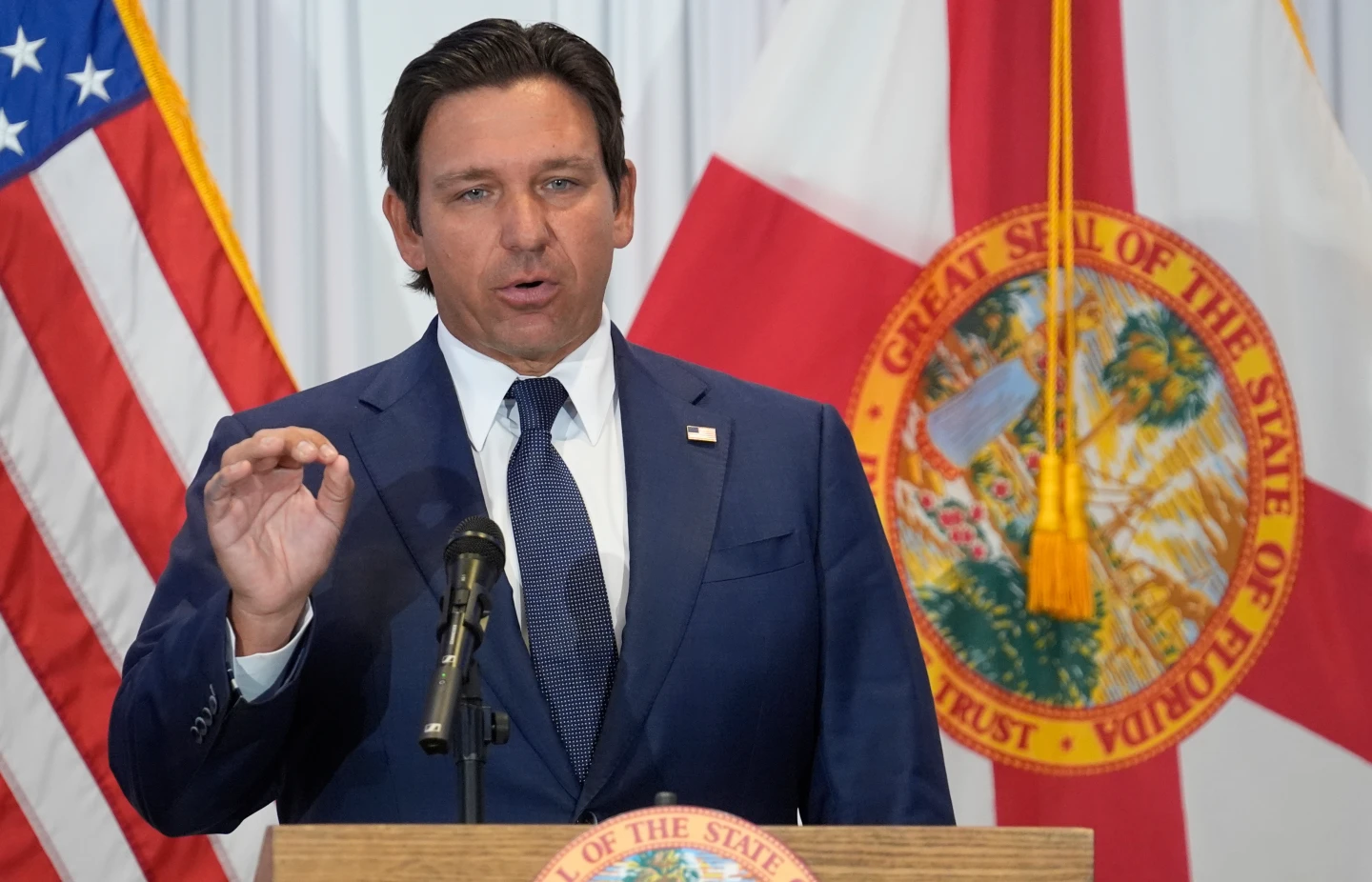
The movement to abolish property taxes has gained momentum across several states like Florida, Texas, and Georgia, as lawmakers respond to rising property values leading to inflated tax bills. Advocates argue that homeowners should not lose their property due to unpaid taxes, echoing sentiments that the tax system is fundamentally flawed. In Florida, Governor Ron DeSantis has set a goal to phase out non-school property taxes, while Texas Governor Greg Abbott aims to eliminate property taxes for schools. Further, Georgia's Republican House Speaker Jon Burns is pushing to wipe out $5.2 billion in homeowner property taxes.However, the elimination of such taxes poses a significant financial challenge, as these funds support essential services. Critics warn that the proposals could hurt schools and local governments reliant on property tax income, creating a potential crisis in public service funding.Amid this backdrop, officials in North Dakota are using oil revenue to gradually reduce homeowner property taxes. Similar initiatives are being explored in other states, and future ballots in locations such as Oklahoma and Ohio may reflect this shifting sentiment. As these discussions evolve, the challenge remains: how to replace the substantial revenue that property taxes provide without severely impacting local communities.