In brief
As U.S. Immigration and Customs Enforcement ramps up its operations in Minneapolis, many Native Americans are obtaining or renewing tribal identification cards to demonstrate their citizenship and shield themselves from immigration enforcement. This move highlights a troubling intersection of identity and federal law, with various tribes making it easier for members to access these crucial documents. Experts and community members express both frustration and determination in the face of increasing anxiety over racial profiling by federal agents.
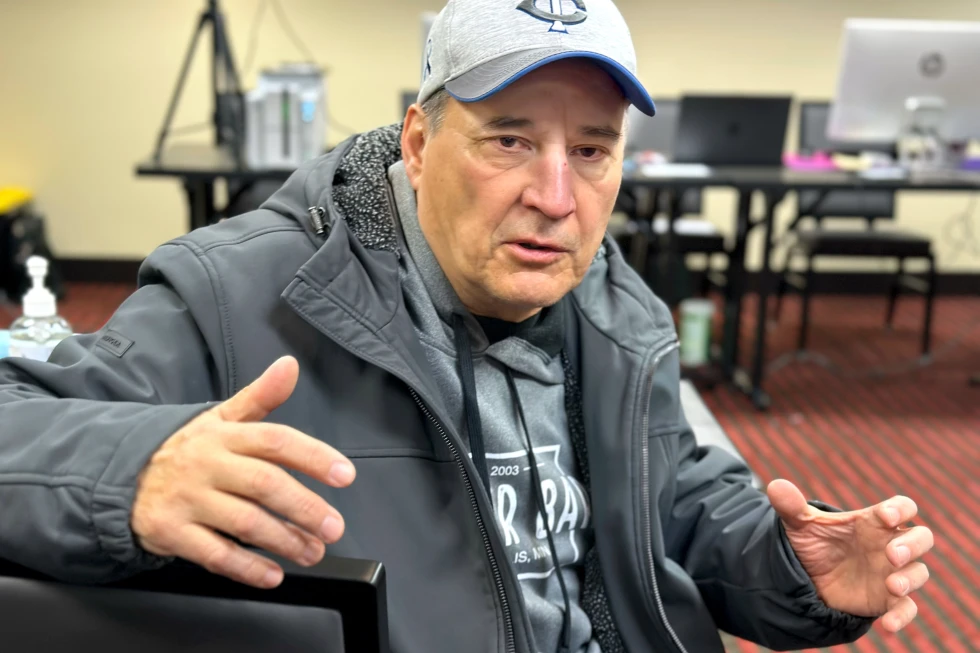
MINNEAPOLIS (AP) — In light of intensified U.S. Immigration and Customs Enforcement (ICE) operations in Minneapolis, Shane Mantz of the Choctaw Nation carries his citizenship card in his wallet to safeguard against potential immigration raids. Mistaken for Hispanic, the pest control manager is acutely aware of the risks faced by Native Americans in urban areas.
To combat fears of deportation stemming from federal scrutiny, many Native Americans are proactively obtaining their tribal IDs, which are increasingly recognized as valid proof of U.S. citizenship. Tribal nations across the country are facilitating access to these IDs by waiving fees and expediting processing times.
Experts like David Wilkins, a scholar on Native politics, note that this situation is unprecedented. I find it terribly frustrating and disheartening as tribal members navigate an environment where their citizenship has come under question.
Historical Context and Modern Implications
For centuries, the U.S. government has maintained detailed genealogical records to determine Native Americans' eligibility for critical services. While many tribal nations began issuing forms of identification in the late 1960s, the current crisis has turned tribal IDs into essential documents for urban Natives.
With about 70% of Native Americans residing in cities, the stakes are higher than ever. The announcement of a large ICE operation saw more than 3,400 arrests, adding to the urgency with which tribal members are pursuing ID cards. Tribal representatives are now making considerable efforts to provide identification services directly in cities like Minneapolis.
Individual experiences highlight the anxiety surrounding ICE presence. For instance, Turtle Mountain citizen Faron Houle expressed the pressure of needing proof of identity due to perceived racial profiling by ICE agents.
The Fight for Recognition and Safety
Many tribal leaders, including Navajo Nation President Buu Nygren, are advocating for citizens to carry tribal IDs at all times out of fear of harassment by ICE officials. Reports include disturbing encounters where tribal members, such as actress Elaine Miles, were stopped and questioned about the authenticity of their IDs.
The Oglala Sioux Tribe has even taken a stand by banning ICE from their reservation, demonstrating growing resistance against federal enforcement tactics. As these tensions rise, Mantz stresses the importance of securing identification for his family to alleviate the fear associated with their Native identity.
It gives me some peace of mind. But at the same time, why do we have to carry these documents? Who are you to ask us to prove who we are? he said.
This dialogue surrounding ID requirements reflects a broader national conversation about immigration, identity, and the rights of Indigenous peoples, as federal policies continue to challenge the very existence of Native sovereignty.