In brief
Little Village, known as the 'Mexican Magnificent Mile,' has witnessed a sharp decline in business and community activity due to increased ICE raids targeting undocumented immigrants in the area. The fear of federal enforcement has led people to stay home, critically impacting local businesses and altering the dynamics of this vibrant community. Business owners report significant drops in sales and foot traffic, prompting city officials to introduce initiatives aimed at supporting local commerce amidst these challenges.
Little Village, often referred to as the 'Mexican Magnificent Mile', is experiencing an unsettling transformation. Once bustling with shoppers and diners, the neighborhood is now quiet, a stark change attributed to a series of escalating ICE raids targeting undocumented immigrants.
In recent months, federal immigration agents have intensified their presence in Chicago, prompting fears that have driven many residents to stay indoors. The operation, known as Midway Blitz, aimed to target what it called criminal illegal aliens and peaked in the weeks following its launch in September.
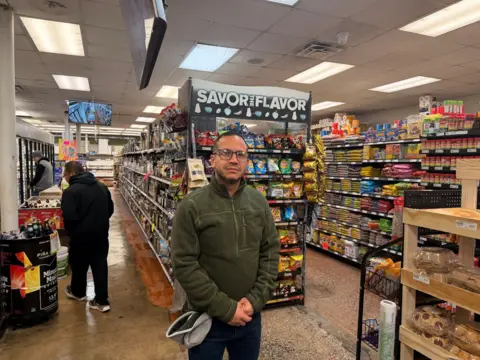
Business owners like Carlos Macias, who runs Carniceria y Taqueria Aguascalientes, have noted a substantial drop in sales—sometimes by over half—indicating a significant decline in customer traffic. Macias recalls the panic during an ICE raid at his establishment, detailing how customers and employees were frightened, which has had lasting effects on the community’s willingness to shop and engage in daily activities.
Moreover, reports from local officials point to an alarming trend: a 60% decline in sales for many area businesses, with some outlets reporting no sales at all for weeks. Alderman Michael Rodriguez has been vocal about the detrimental economic impact of the raids, explaining that the loss of business not only affects local shops but also has broader implications for city revenues and employment levels.
Despite community efforts to support local businesses, such as the city clerk’s Shopping in Solidarity initiative aiming to encourage consumers to shop locally, the effects of the chilling atmosphere remain evident. The once-busy Streets of Little Village are noticeably emptier, with many food vendors ceasing operations and consumers reluctant to venture out.
In a neighborhood that thrives on its Hispanic population and local markets, the ongoing situation raises critical questions about the sustainability of these businesses and the overall health of the economy in Little Village amidst a backdrop of fear and uncertainty.