When Donald Trump strode onto a stage at a campaign rally in Indiana in 2016, he made one thing clear: China was America's chief economic antagonist. We can't continue to allow China to rape our country, he told a crowd in Fort Wayne. The anti-China rhetoric persisted through a decade of rallies, his 2024 campaign, and into his second term.
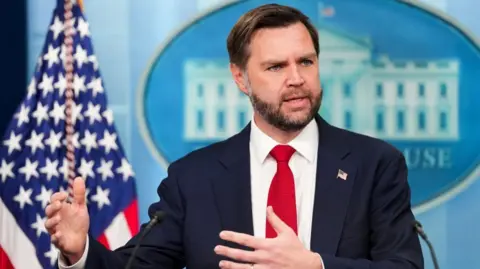
Upon returning to the White House after visiting Beijing, Trump stood alongside key allies who made China-bashing a hallmark: Secretary of State Marco Rubio, Vice-President JD Vance, and senior economic counselor Peter Navarro, voicing severe accusations against China. Shortly after, tariffs began rising sharply, signaling the onset of a trade war.
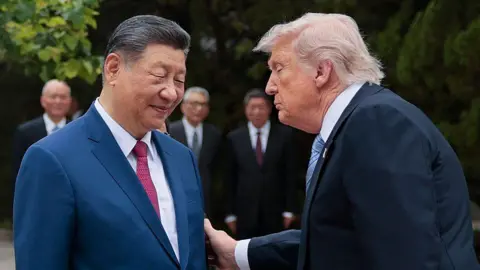
During his recent visit to Beijing, however, Trump adopted a much friendlier tone as he was received with pomp—a military band and flag-waving children at the Great Hall of the People. “It’s an honor to be with you,” Trump stated to Xi, emphasizing a future of improved relations. Despite a lack of significant new trade agreements, Trump praised “fantastic trade deals,” with notable achievements like Nvidia gaining approval to sell semiconductors and Boeing securing an order for 200 aircraft.
Whether this friendlier approach represents a permanent shift remains uncertain, as hardliners within the GOP and spheres of influence express skepticism, especially regarding Taiwan. Trump's ambiguous remarks about a $14 billion arms sale elicited concerns that he might falter on commitments vital to both Democrats and Republican hawks. Critics like former strategist Steve Bannon highlighted Xi's perceived threats, signaling rising tensions beneath the surface of diplomatic gestures.
The lack of backlash from Trump's supporters post-visit hints at a potential softening on policy directions, as observed by various political analysts. They indicated that Trump's evolving rhetoric may indeed influence his administration and GOP colleagues going forward, presenting future complexities with Taiwan and U.S.-China relations.
Upon returning to the White House after visiting Beijing, Trump stood alongside key allies who made China-bashing a hallmark: Secretary of State Marco Rubio, Vice-President JD Vance, and senior economic counselor Peter Navarro, voicing severe accusations against China. Shortly after, tariffs began rising sharply, signaling the onset of a trade war.
During his recent visit to Beijing, however, Trump adopted a much friendlier tone as he was received with pomp—a military band and flag-waving children at the Great Hall of the People. “It’s an honor to be with you,” Trump stated to Xi, emphasizing a future of improved relations. Despite a lack of significant new trade agreements, Trump praised “fantastic trade deals,” with notable achievements like Nvidia gaining approval to sell semiconductors and Boeing securing an order for 200 aircraft.
Whether this friendlier approach represents a permanent shift remains uncertain, as hardliners within the GOP and spheres of influence express skepticism, especially regarding Taiwan. Trump's ambiguous remarks about a $14 billion arms sale elicited concerns that he might falter on commitments vital to both Democrats and Republican hawks. Critics like former strategist Steve Bannon highlighted Xi's perceived threats, signaling rising tensions beneath the surface of diplomatic gestures.
The lack of backlash from Trump's supporters post-visit hints at a potential softening on policy directions, as observed by various political analysts. They indicated that Trump's evolving rhetoric may indeed influence his administration and GOP colleagues going forward, presenting future complexities with Taiwan and U.S.-China relations.