In brief
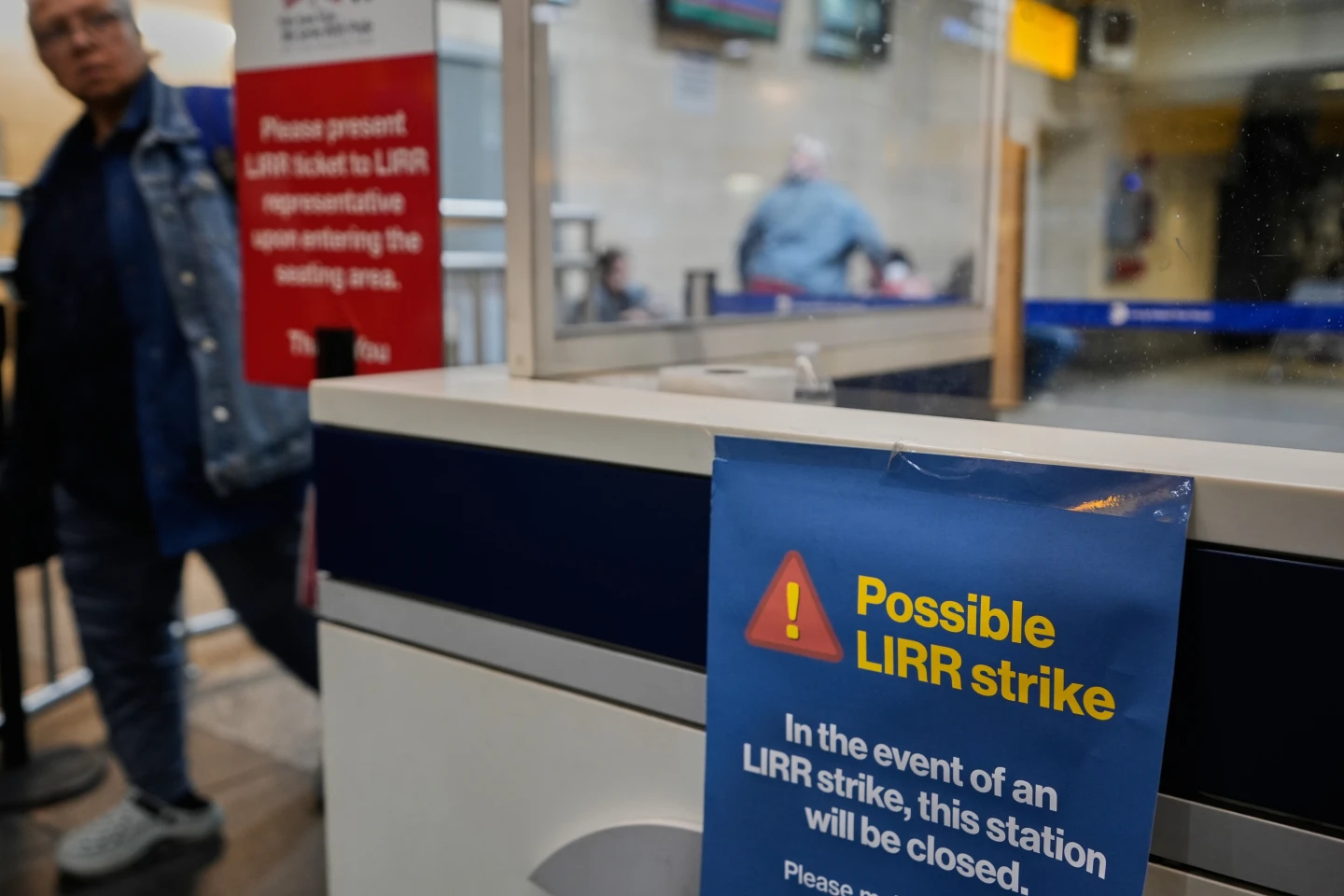
The Long Island Rail Road (LIRR) is currently facing a strike initiated by workers represented by several labor unions after contract negotiations with the Metropolitan Transportation Authority (MTA) broke down. The walkout, commencing early Saturday, is set to disrupt the commutes of approximately 250,000 daily riders, with no new negotiations scheduled. As tensions rise, commuters are grappling with alternative travel arrangements amid the ongoing labor dispute.
NEW YORK—In a significant development for commuters, workers on New York's Long Island Rail Road (LIRR) have initiated a strike, effectively halting operations of North America's busiest commuter rail system. Union officials announced the strike occurred early Saturday morning after contract negotiations with the Metropolitan Transportation Authority (MTA) failed to yield an agreement.
The strike affects approximately 3500 workers, including engineers, machinists, and signalmen, aligning with the demands for better pay and benefits amid rising inflation rates. The labor unions involved had previously voiced concerns over wage increases and sought increments totaling 16% over the next four years.
Kevin Sexton, the National Vice President of the Brotherhood of Locomotive Engineers and Trainmen, expressed the union's regret at being pushed to strike, citing a lack of scheduled negotiations going forward. Meanwhile, MTA Chairman Janno Lieber claimed that the authority had met union demands regarding wages but addressed concerns over the proposed health care premium increases for new hires, which the union rejected.
The LIRR strike poses a substantial challenge for the 250,000 commuters relying on the system to travel to and from Manhattan. Many are now faced with the daunting prospect of navigating alternative transport methods or opting to work from home, contributing to an overflow on already congested roads and highways.
New York Governor Kathy Hochul criticized the strike, attributing the situation to union leadership choices and urging LIRR riders to consider remote work options during the strike. The MTA has announced that limited shuttle services would be available for those deemed essential workers.
Commuters are expressing frustration over the sudden halt in service with sentiments echoing a common theme of concern for both their daily commutes and the repercussions of the labor conflict. Regular riders are bracing for longer travel times as alternative public transport options become overwhelmed with demand.
As discussions remain stalled, commuters can only hope for a swift resolution to the labor dispute as many fear the strike could extend, shifting their travel plans considerably in the coming days.