In brief
North America's largest commuter rail system, the Long Island Rail Road, was shut down following a strike by five unions representing approximately half of its workforce. The unions are demanding higher wages after lengthy negotiations failed. The impact of the strike is significant, forcing nearly 250,000 daily riders to seek alternative transportation during a critical weekend for sports events. Governor Kathy Hochul has advised commuters to work from home where possible.
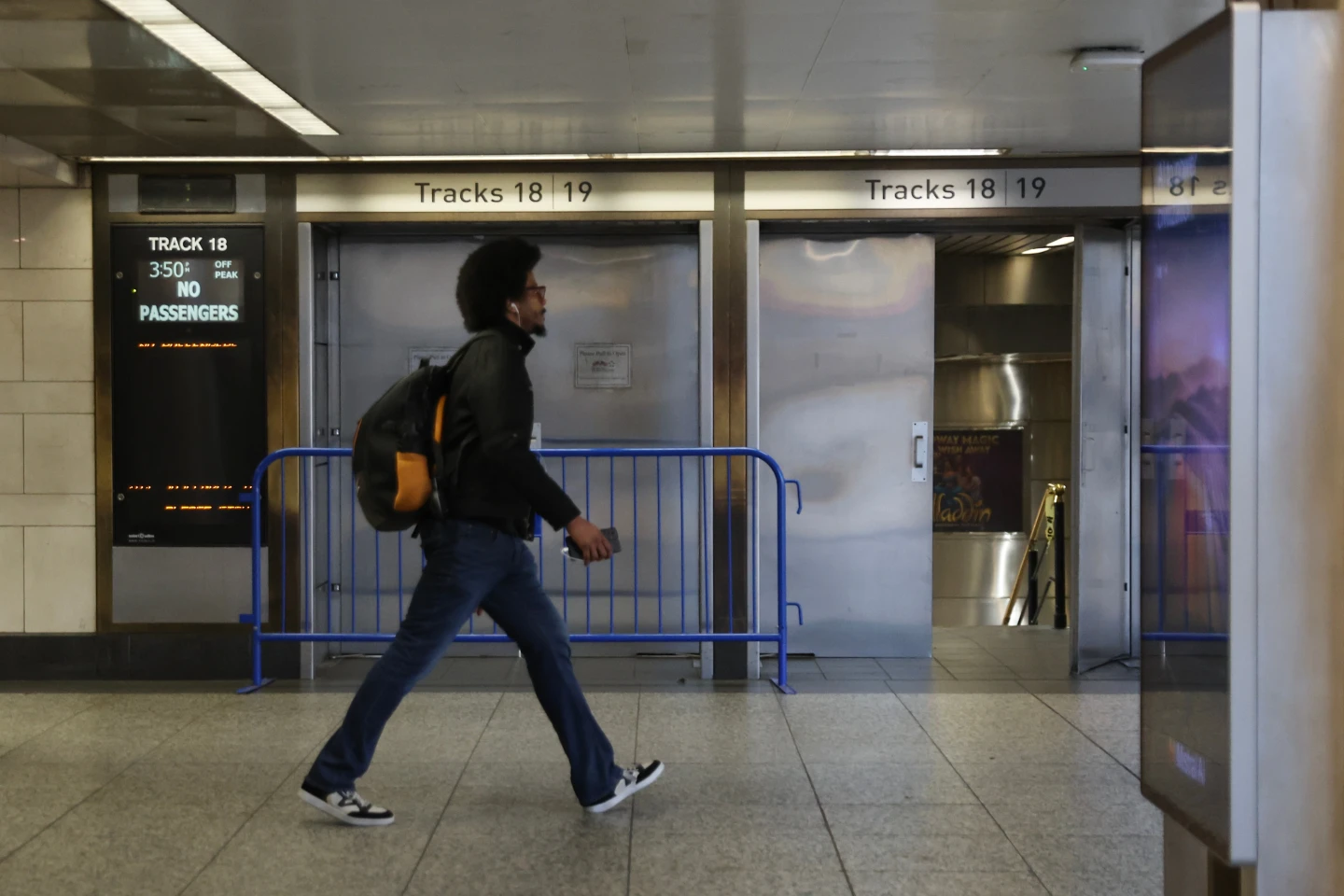
NEW YORK (AP) — North America’s largest commuter rail system was shut down Saturday after unionized workers in the New York City area went on strike.
The Long Island Rail Road, serving the city’s eastern suburbs, ceased operations early Saturday morning after five unions representing about half its workforce walked off the job.
The two sides have been negotiating for months, and President Trump’s administration even interceded to try and broker a deal. But the unions became legally allowed to strike starting at 12:01 a.m. Saturday.
Kevin Sexton, National Vice President of the Brotherhood of Locomotive Engineers and Trainmen, stated that no new negotiations have been scheduled. “We’re far apart at this point,” he admitted.
The MTA Chairman Janno Lieber claimed the agency “gave the union everything they said they wanted in terms of pay” and suggested the unions had intended to strike from the beginning.
This walkout marks the first for the LIRR since a brief strike in 1994, likely impacting thousands of sports fans heading to see the New York Yankees and Mets or the New York Knicks playoff games at Madison Square Garden, as both venues have dedicated LIRR stops.
If the shutdown continues, the roughly 250,000 people who rely on the system for their daily commutes will face significant challenges in getting to New York City from Long Island.
Duane O’Connor, one of the picketers, expressed his distress at the strike's impact. “I feel terrible. This is going to hurt both the island and the city,” he lamented, emphasizing the workers’ demand for fair wages in light of record inflation.
While many in support of the unions express sympathy, they worry that any pay raises could lead to increased fares for the riders. Gerard Bringmann, chair of the LIRR Commuter Council, cautioned that significant pay increases could mean doubled fare hikes for commuters.
The situation remains complex as Governor Hochul faces reelection pressures with Long Island being a crucial voter base. Labor expert William Dwyer suggests the MTA may need to reach a resolution soon to avoid significant backlash from both sides.