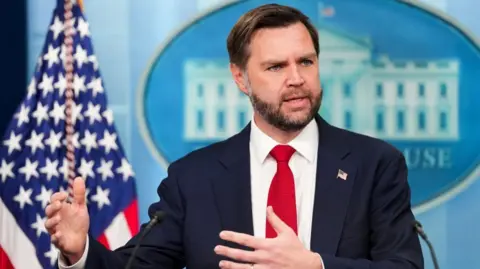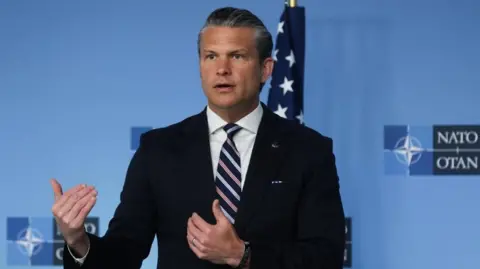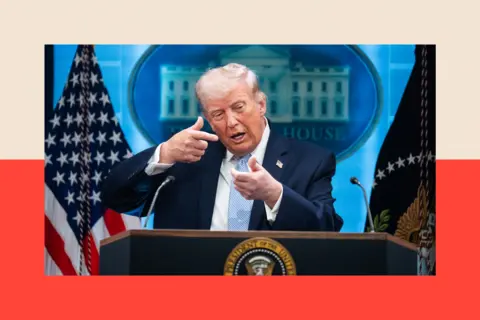
In the middle of an Easter lunch at the White House, President Donald Trump went off script to address speculation about JD Vance's role in securing a deal to end the war in Iran. If it doesn't happen, I'm blaming JD Vance, Trump joked, drawing laughter at last week's East Room event attended by senior administration officials including the vice-president, Secretary of State Marco Rubio, and Defence Secretary Pete Hegseth. And if it does happen, Trump added, I'm taking full credit.
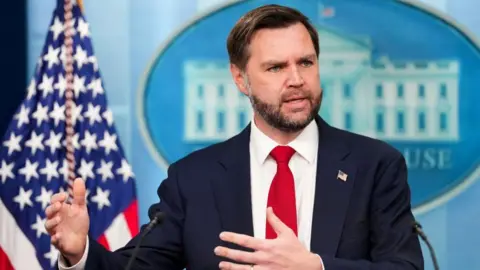
The remarks perfectly captured Vance's predicament as he leads a US delegation holding talks with Iran in Pakistan. It is the most challenging assignment of Vance's vice-presidency so far - one with a limited upside and plenty to lose if negotiations fail.
Vance's diplomatic mission to Islamabad is a political minefield. To make progress in reaching a permanent agreement to end the war, he will have to satisfy several stakeholders with competing interests, and who all distrust each other after a six-week military campaign that has engulfed the Middle East and roiled the global economy.
US allies are watching Vance closely to see how he'll perform, one European official said. Vance needs to step into the room and deliver something, added the official, who spoke on the condition of anonymity. Otherwise he will be diminished.
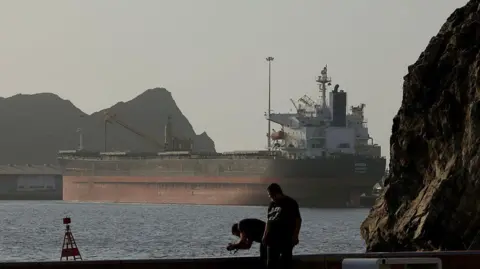
Any deal must win the support first and foremost of Trump, who has vacillated between calling for peace and threatening to destroy Iran's civilization. It will also need the backing of a weakened but still-standing regime in Tehran that has tightened control over the Strait of Hormuz, and an ally in Israel that is wary of a region-wide ceasefire. US allies in Europe that oppose the war and have been reluctant to come to America's aid will also have to be convinced.
As if that's not enough, Vance will also face pressure to somehow satisfy Trump's Make America Great Again (MAGA) base, many of whom are opposed to foreign interventions. A former Marine who served in Iraq but has been a vocal opponent of US entanglements in the past, reports suggest Vance has privately expressed skepticism about striking Iran.
Vance's challenge will be to navigate these complex dynamics while reassuring all parties involved that the U.S. is serious about establishing lasting peace.
Despite the potential for setbacks, Vance's quiet confidence and the backing he has received under Trump may provide him the leverage he needs in discussions aimed at stabilizing the region.
The remarks perfectly captured Vance's predicament as he leads a US delegation holding talks with Iran in Pakistan. It is the most challenging assignment of Vance's vice-presidency so far - one with a limited upside and plenty to lose if negotiations fail.
Vance's diplomatic mission to Islamabad is a political minefield. To make progress in reaching a permanent agreement to end the war, he will have to satisfy several stakeholders with competing interests, and who all distrust each other after a six-week military campaign that has engulfed the Middle East and roiled the global economy.
US allies are watching Vance closely to see how he'll perform, one European official said. Vance needs to step into the room and deliver something, added the official, who spoke on the condition of anonymity. Otherwise he will be diminished.
Any deal must win the support first and foremost of Trump, who has vacillated between calling for peace and threatening to destroy Iran's civilization. It will also need the backing of a weakened but still-standing regime in Tehran that has tightened control over the Strait of Hormuz, and an ally in Israel that is wary of a region-wide ceasefire. US allies in Europe that oppose the war and have been reluctant to come to America's aid will also have to be convinced.
As if that's not enough, Vance will also face pressure to somehow satisfy Trump's Make America Great Again (MAGA) base, many of whom are opposed to foreign interventions. A former Marine who served in Iraq but has been a vocal opponent of US entanglements in the past, reports suggest Vance has privately expressed skepticism about striking Iran.
Vance's challenge will be to navigate these complex dynamics while reassuring all parties involved that the U.S. is serious about establishing lasting peace.
Despite the potential for setbacks, Vance's quiet confidence and the backing he has received under Trump may provide him the leverage he needs in discussions aimed at stabilizing the region.