In brief
Airlines are cancelling flights due to a jet fuel crisis resulting from rising prices linked to Middle Eastern conflicts. Travelers are encouraged to check airline apps and familiarize themselves with passenger rights. Airlines often can provide a refund or a new flight option, but protections vary widely by region.
Airlines worldwide have begun cancelling flights as the war in the Middle East strains jet fuel supplies and pushes up prices — but the disruption doesn’t end there.
For travelers, it can mean having to navigate a confusing web of passenger protections that vary widely depending on where they’re flying.
The timing is amplifying the impact with summer travel demand ramping up, as major events such as the World Cup are expected to put additional strain on airports.
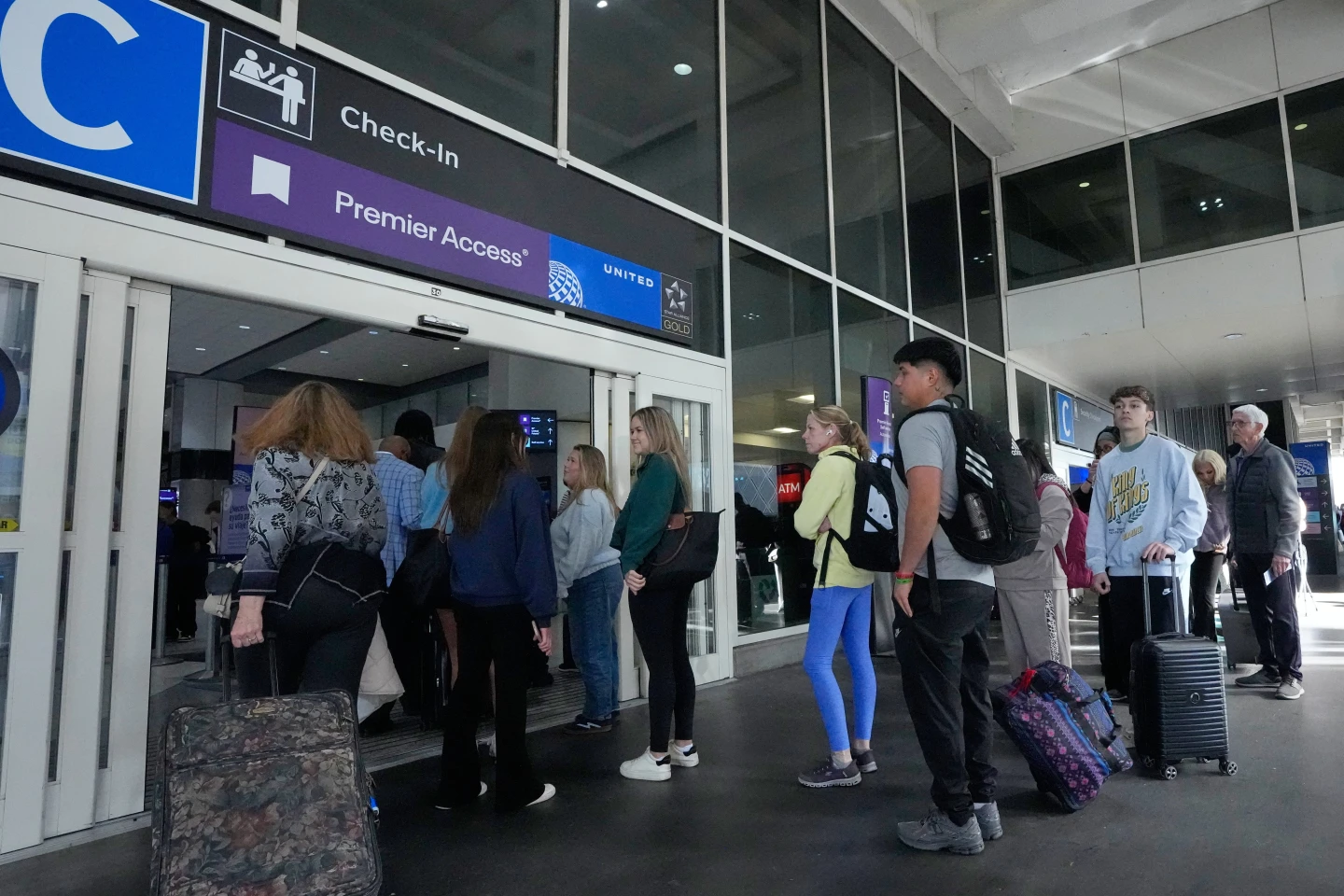
If your flight is cancelled, check your airline’s app or website immediately for rebooking options. Non-U.S. carriers might have fewer digital tools, necessitating multiple contact channels including customer service lines.
Cancellations Timing
Most fuel-related cancellations are often made days or weeks in advance. For instance, Lufthansa Group announced it is cutting 20,000 short-haul flights through October.
Your Options
In most cases, airlines must offer either a refund or a rebooking on the next available flight. However, policies vary significantly by country.
In the U.S., if a flight is cancelled and you choose not to travel, the airline must refund you, regardless of the reason. Although, travel credits may also be offered, you are entitled to a full refund for any paid extras not utilized.
Understanding Passenger Rights
Passenger rights differ significantly across regions. Europe has some of the strongest protections with compensation options in certain cases, whereas the U.S. and Canada provide more limited protections. It's advised to look up local passenger rights before traveling.
Preparation is essential, which includes signing up for flight alerts and booking directly with the airline. Document your journey meticulously to support any claims or complaints following disruptions.
Staying Proactive
To mitigate getting stranded during flight disruptions, book early in the day for more rebooking options, consider nearby airports as alternatives, and maintain calm and respect during interactions with airline agents.
Ultimately, challenges with fuel shortages are reflecting a broader squeeze on both airlines and travelers as the industry braces for an active summer travel season.