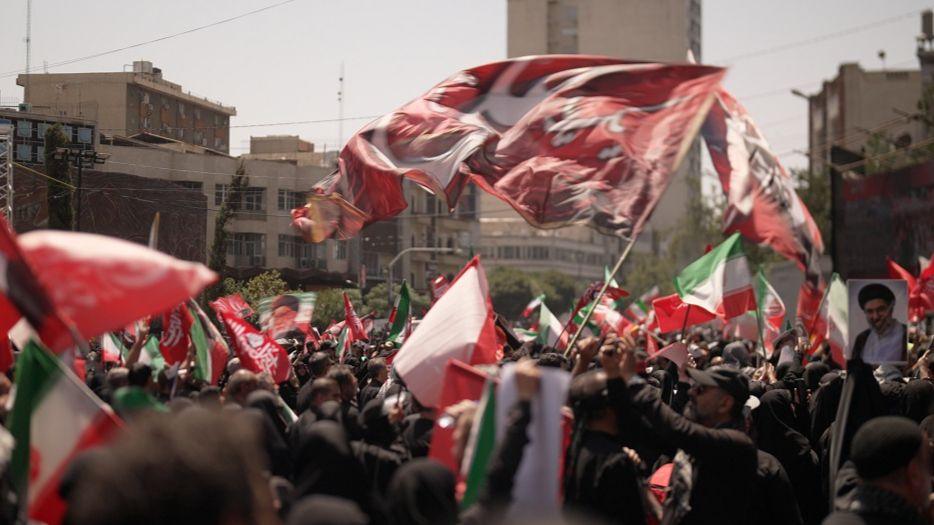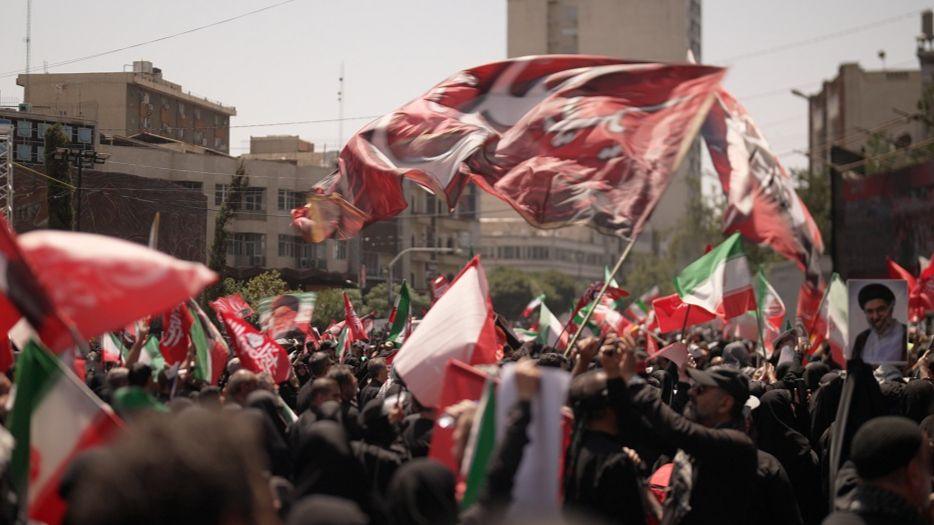
The three‑day mourning that has gripped Tehran finished with a grand funeral procession for Ayatollah Ali Khamenei, the country’s Supreme Leader. Over a ten‑kilometre route, the slow‑moving cortège carrying the eulogised coffins of Khamenei and four of his family members was blocked and slowed by millions of mourners, turning the streets into one of the largest public gatherings seen in years.
While the procession was staged as a display of national unity, the mood on the road bore a stark political undertone that mirrored the leadership’s campaign of resistance. Almost a mile of red‑flag banners, white clothing and chanting “death to America” and “death to Israel” streamed side‑by‑side with the slow march. The spectacle was engineered to create a narrative out of grief – a sort of message that Iran would not be silenced by foreign forces.
Mourners expressed a range of emotions. Some stayed away from the march, citing the dual impact of the warring fronts and deepening inflation of more than eighty percent, while others recounted the sectarian attacks and government crackdowns that they attributed to the Supreme Leader’s policies. One candidate voiced a personal testimony: "Many people don’t have work and are so unhappy," he told reporters outside the removal points, known as mookebs, where refreshments were offered free of charge from private donations.
The procession itself was organised as a potent form of propaganda, the leaders of the Iranian establishment wanting the world to witness the truth. That week’s funeral march was the most politically significant ceremony, carefully choreographed to portray the former Supreme Leader as a master of resistance as well as a martyr. A recent quote from the President, Masoud Pezeshkian, dismissed the criticism of President Trump over the alleged “fake tears” that would be shed, reinforcing the hard‑line narrative with an explicit statement: Tears arise from the pain and sorrow that surges within a person, and the world sees this truth.
The memorials that followed moved to protected religious sites, starting with the city of Qom on Tuesday, then proceeding to Najaf and Karbala in Iraq. The final ceremony will take place at the Imam Reza Shrine in Mashhad on Thursday, where the ayatollah’s body will be laid beside the family’s foundation stone. The procession appears to have served two purposes: a mourning ritual for the nation and a propagandist call that the state’s resolve to counter its enemies remains intact.
When asked for a message, one gray‑haired man said he'd sent a note to President Trump: “Soon, you will see signs of revenge at the top of the White House. The colour of the White House will become the colour of my red flag.” It hints that even within the mourning rites, hardliner frustration remained potent; the rhetoric fits the broader context of Iran’s difficult new leadership dealing with ongoing sanctions and war casualties.
As Iran mourns one of the most influential figures of the 1979 Revolution, it is also at a crossroads. The country’s economy is barely holding, the new leadership has internal pressures from the reformist factions, and the station of the Supreme Leader’s sacrifice has deepened the ideological divide. The funerary spectacle may carry out a powerful symbolic legacy, but it also underlines the uncertain future of a regime that finds itself wrestling between idealism and realpolitik.