In brief
Since the Taliban’s 2021 takeover, Pakistan and Iran have swept up Afghan refugees in a massive security crackdown, sending an estimated six million people back to a nation in turmoil. Families arrive at the Torkham crossing, many never having been to Afghanistan before, to contend with tight borders, limited aid, and widespread uncertainty. UN agencies report the return flow is unprecedented, while Taliban officials claim it will bring long‑term benefits, though women’s rights remain sharply restricted. The returnees face a bleak future: no access to education for girls, scarce jobs, and a de‑nationalisation policy that still targets former Afghan officials.
Six million Afghan refugees have crossed back into Taliban‑controlled territory this year, making the Torkham border a stark symbol of the crisis that sits at the crossroads between Pakistan and Afghanistan. The numbers, supplied by the UN Refugee Agency (UNHCR), stack up against the population of a small country, turning the return into a global demographic flashpoint.
"In a little under three years, we've seen six million people, a population that is itself the size of a small country, come back to Afghanistan," says UNHCR spokesperson Charlie Goodlake.
The crossing, known locally as “Zero Point”, has become a symbol of a new, uncertain life vacuum. One family, led by 35‑year‑old Nazia, arrived with two children after escaping Pakistan, and in the registration line they greeted Taliban flags, uncertain of the life that lies ahead. Nazia’s brother Sarwar, who spent decades in Pakistan, told reporters they were “heart‑broken” that their “home” was back in a country where former freedom was taken back in 2021.
While the Taliban claim the return will “benefit” Afghanistan, UN agencies warn the reverse is true. The country, dependent on international aid, has seen major reductions this year. Human rights groups stress that a large proportion of returnees are women and children, who will be unable to attend secondary school or university, and the government’s austerity measures may crush any hopes of livelihoods.
Pakistan and Iran have declared the deportations “necessary”, pointing to security concerns and overcrowded refugee camps. In Pakistan, the government instituted a temporary exemption but estimates warn that a quarter of a million Afghan migrants may still face high risk of violence or discrimination. In Iran, the mass expulsions accelerated after a June 2025 conflict with the United States, with officials labeling Afghan migrants as “potential spies for Israel.”
In Kabul, Taliban Foreign Minister Amir Khan Muttaqi met with UNHCR, insisting that human‑rights crises were an “internal issue” but denying that the return would cripple the country. When pressed on the status of women’s education, he reiterated that nationalism under his rule would be the constraint, not a diplomatic focus.
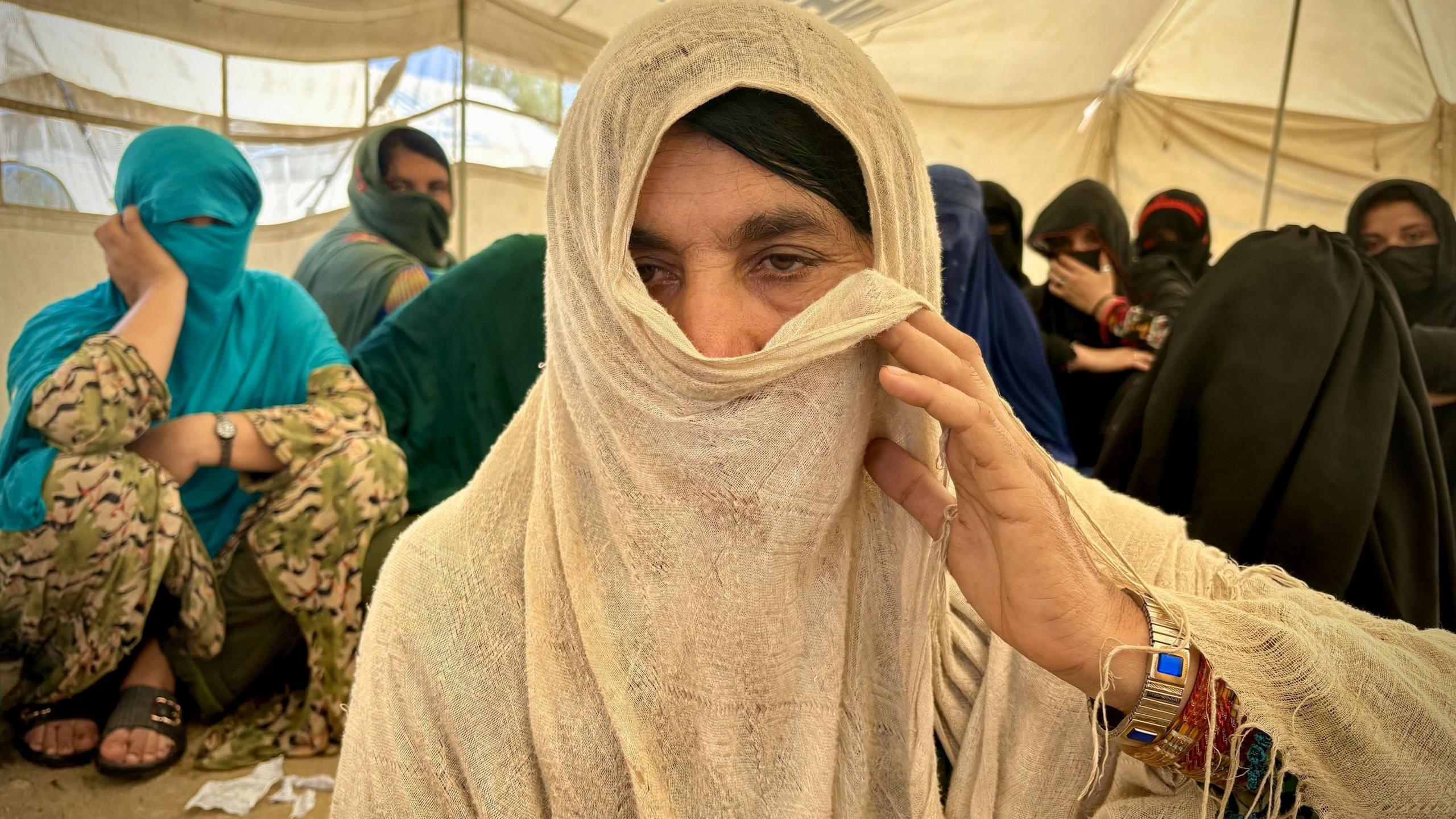
At the crime‑laden transit tent near Torkham, Zarina, a 40‑year‑old woman, sits in a dusty tarp with a trembling group of girls, all facing grim futures with no schooling and no job prospects. Behind her, a scorching 41°C sun makes survival a daily challenge .