In brief
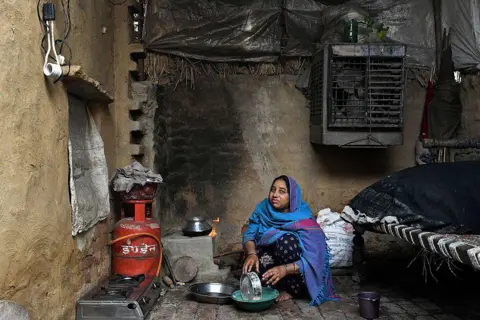
The ongoing US-Israel war with Iran is causing significant disruptions in gas supplies to India, potentially leading to a reliance on coal, kerosene, and biomass fuels. Reports indicate a rise in timber and cow dung sales as households scramble to find alternatives. Experts warn that this temporary shift could worsen air pollution and health issues in the country as the use of these traditional fuels increases. While immediate government measures are in place to alleviate the crisis, the long-term implications on clean energy efforts remain concerning.
Shipping disruptions from the US-Israel war with Iran have squeezed gas supplies to India, risking a temporary shift back to polluting fuels like coal, kerosene, and biomass, experts say.Reports suggest some regions in India are witnessing a spike in timber sales, while others see increased sales of cow dung cakes - both biomass fuels. India has been dealing with a squeeze in cooking gas supplies over the past few days, leading to panic-buying by domestic users.The war that started on 28 February has halted ship movements through the Strait of Hormuz, a vital route through which about one-fifth of the world's gas and oil pass.Further exacerbating the situation, the Gulf chokepoint handles about half of India's LNG imports and most of its LPG shipments.Foreign Minister S Jaishankar has mentioned that talks with Iran may ease disruptions in the Strait of Hormuz. Since Monday, three Indian-flagged vessels - two carrying LPG and one crude - have reached Gujarat, but about 21 ships remain stalled, keeping supply tight. To cope, the federal government has approved an extra 48,000 kilolitres of kerosene for states beyond the regular quota to support low-income households.While the focus remains on ensuring access to LPG for domestic needs, the Indian environment ministry has instructed state pollution boards to allow restaurants and hotels to switch temporarily to biomass, kerosene, and coal. This shift comes even as India has made strides in replacing kerosene with LPG in recent years.With 60% of its LPG imported and as the second-largest importer after China, India faces a tight energy scenario. Experts warn that reverting to kerosene, coal, and biomass could lead to a significant rise in indoor air pollution, with potential health consequences linked to respiratory diseases.In urban India, it is anticipated that households may opt for electric cooking as an alternative, yet this would heighten the demand for electricity, much of which is generated from coal.Coal currently provides nearly 79% of India's domestic energy. As such, any sustained shift away from gas may reinforce India's already substantial dependency on coal.In conclusion, while emergency measures are being put into place, experts highlight the urgent need to pivot toward more sustainable energy solutions to enhance resilience against future energy crises.