In brief
Felipe Hernandez Espinosa recounts his time in two immigration detention centers, where he faced deplorable conditions and a frustrating legal process. As the number of detainees grows, so do the reports of prolonged detentions, with many asylum seekers feeling desperate and ready to give up hope for a future in the U.S.
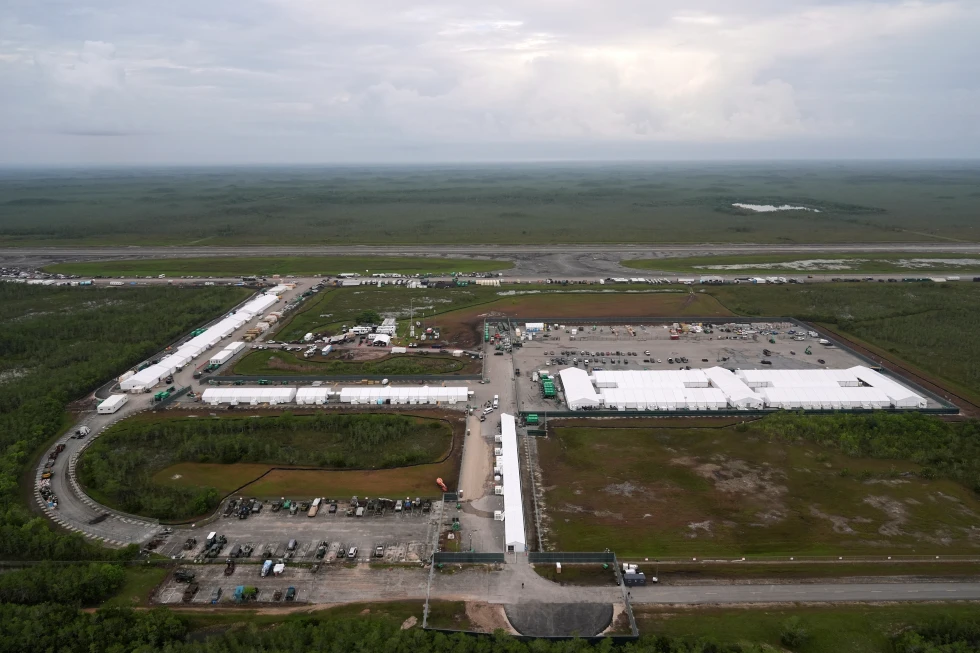
MIAMI (AP) — Felipe Hernandez Espinosa spent 45 days at “Alligator Alcatraz,” a holding facility in Florida notorious for reports of inadequate conditions. Detainees have cited worms in their food, non-flushing toilets, and an omnipresent insect problem.
The Nicaraguan asylum-seeker has now been at a detention camp at the Fort Bliss Army base in El Paso, Texas, for five months, where similar issues have been reported, including the deaths of two migrants earlier this year. Seeking to return to Nicaragua, he was told he must first see a judge, with his hearing finally scheduled for February 26 after nearly seven months in detention.
Hernandez expressed despair over his situation, stating, I came to this country thinking they would help me, and I’ve been detained for six months without having committed a crime. It has been too long. I am desperate. Prolonged detentions have become more common since former President Trump's administration implemented policies restricting judges' ability to release detainees.
The Supreme Court ruled in 2001 that indefinite detention is not permissible, establishing six months as a reasonable cap. Yet, a recent surge in ICE detainees reports over 70,000 individuals in custody, with numerous migrants, including Hernandez, held for months without resolution.
Legal advisers warn that such prolonged detentions are not isolated cases, with reports of individuals being kept for extended periods awaiting court decisions, despite some expressing a desire to return to their home countries.
Hernandez’s case is particularly troubling—having repeatedly requested to be returned to Nicaragua or Mexico, he faces bureaucratic hurdles in a system that seems indifferent to the suffering of detained immigrants.
As Hernandez reflects on his traumatic journey, he emphasizes the emotional toll fueled by uncertainty, saying, I’m always thinking about when I’m going to get out. His plight is emblematic of the challenges many asylum seekers confront in the U.S. immigration system.