He has the world's biggest stage. What will Bad Bunny do with it?
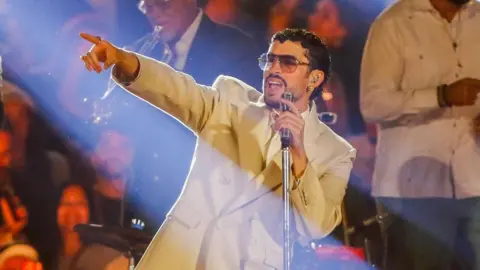
As millions prepare for Super Bowl LX, Puerto Rican superstar Bad Bunny is set to take the halftime stage, a platform that has often become a battleground for cultural and political discourse. His selection has prompted intense reactions, especially from those critical of his views on U.S. immigration policy.
While the matchup will feature the Seattle Seahawks and New England Patriots competing for the championship title, the halftime performance promises to deliver its own separate yet significant narrative. Bad Bunny's performance is noteworthy not only for his unparalleled streaming success but also for the political stances he has taken, particularly against U.S. immigration practices.
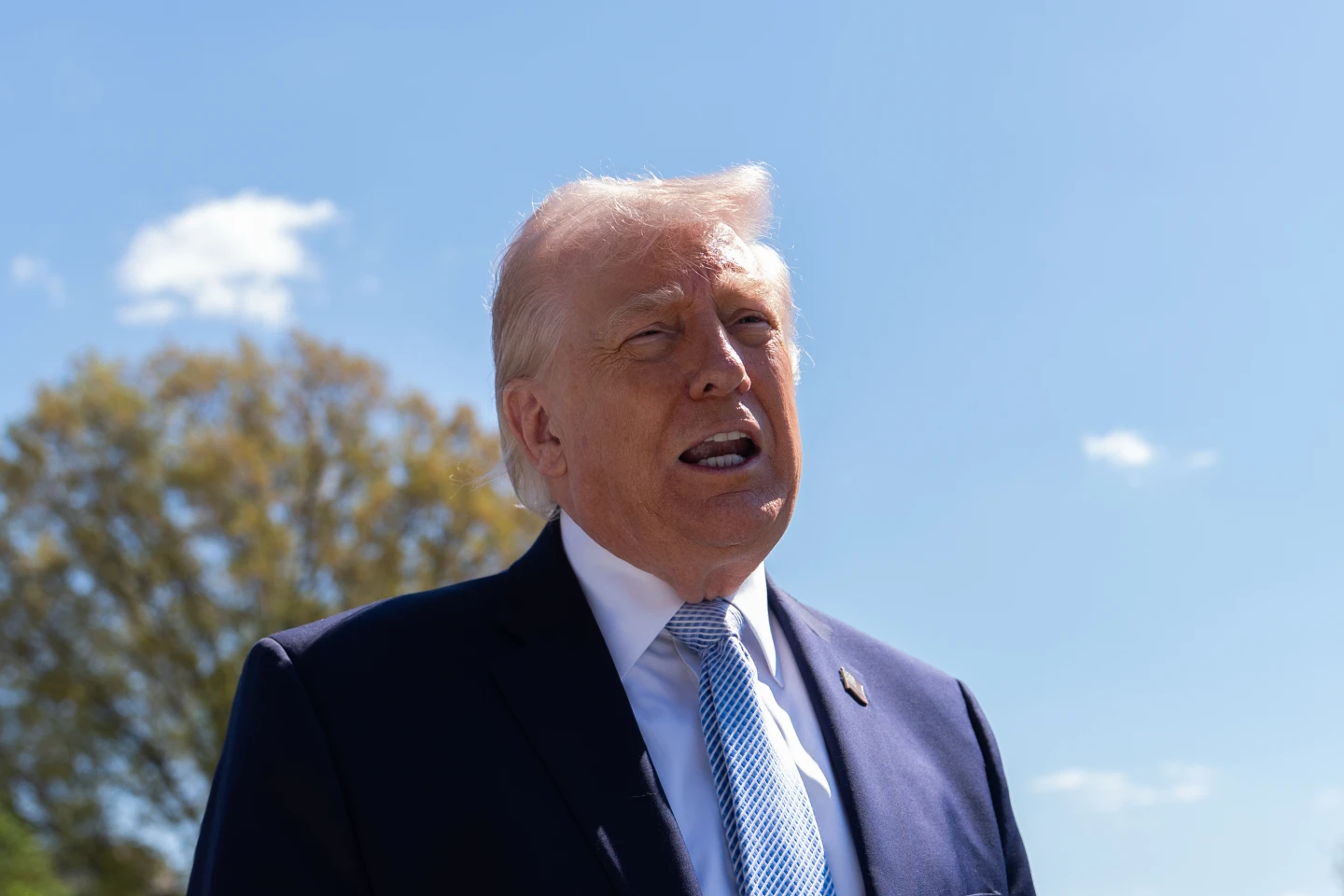
History has shown that halftime shows often spur controversy; from Janet Jackson's wardrobe malfunction to Beyoncé's politically charged performances. However, Bad Bunny's potential to address current social issues adds a unique layer to the upcoming showcase. Republican senators and constituents have labeled the Super Bowl as the 'woke bowl' due to Bad Bunny's inclusion, with figures like former President Trump also voicing their disapproval.
Furthermore, conservative groups, in reaction to Bad Bunny's anticipated performance, are planning a counter-program which showcases their own lineup, indicating the deep divides that currently permeate American society.
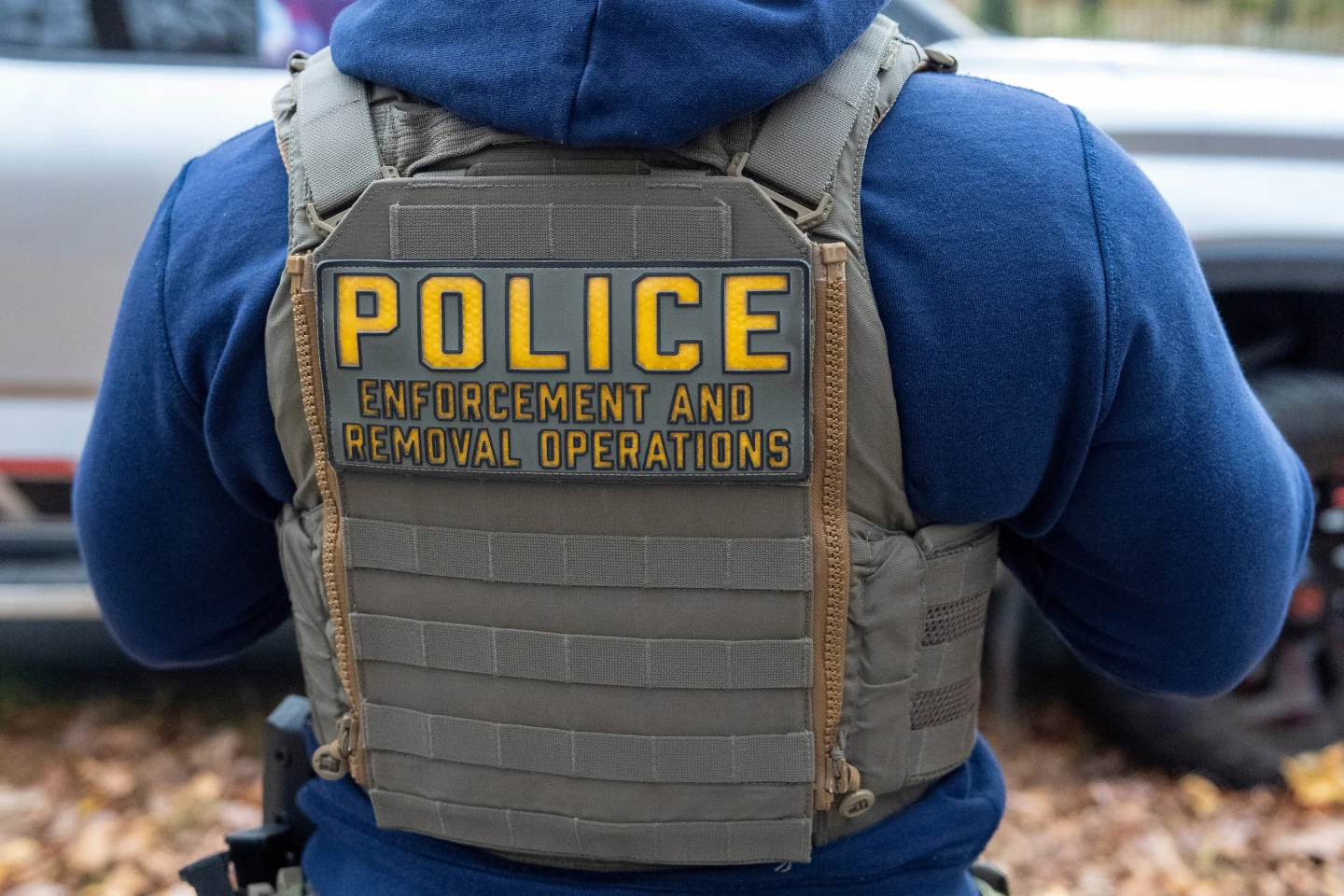
Despite this pushback, Bad Bunny has publicly expressed his commitment to fostering unity and joy. He remarked at a recent press conference, I know that the world is gonna be happy at this Sunday, and they're gonna have fun, and they're gonna dance and they're gonna have a good time. Moreover, his previous Grammy performance included a direct criticism of ICE, symbolizing his use of music as a tool for advocacy.
Experts emphasize that Bad Bunny's presence at the Super Bowl represents a profound cultural shift. He stands not only as a leading artist in Latin music but also as a figure of resistance and empowerment for the Latino community amid pressing immigration debates. His anticipated performance is viewed by many as a necessary representation of Puerto Rican identity and culture on one of the world's most visible stages.
The stakes are high, and Bad Bunny's halftime performance may very well redefine not just entertainment at the Super Bowl, but also the ongoing conversation about the role of art in political resistance.