Hong Kong activists convicted for Tiananmen vigils under national security law
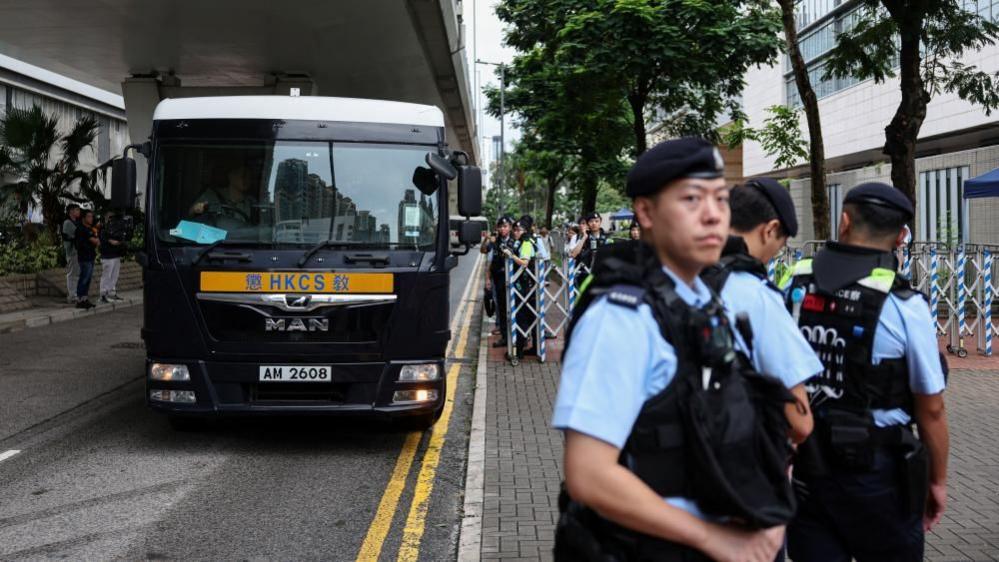
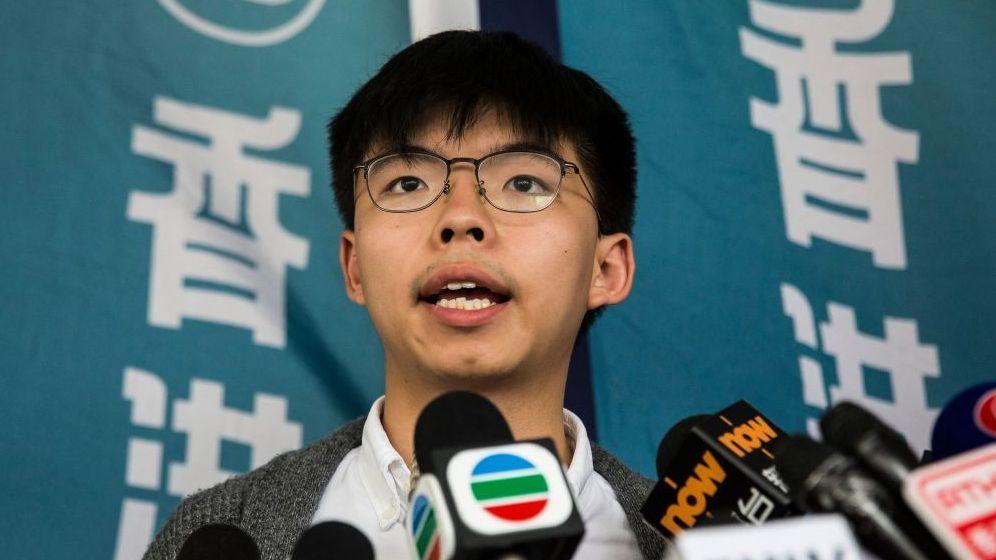
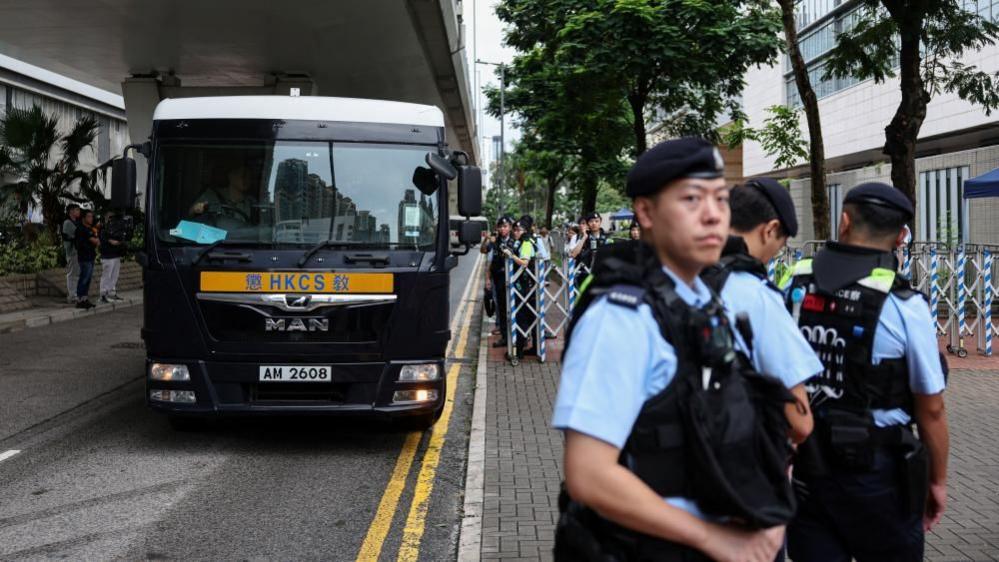
Lee Cheuk‑yan, 69, and Chow Hang‑tung, 41, were found guilty of inciting others to subvert state power under Hong Kong’s national security law. The court concluded that the two activists’ efforts to organise annual commemorations for the 1989 Tiananmen Square crackdown endanger national security. They face a maximum sentence of 10 years in prison and will be sentenced at a later date.
A former lawmaker, Albert Ho, 74, pleaded guilty in January and has been in custody since the charges were announced in 2021. The prosecutors described the activists as “endangering national security in the name of human rights”. Chow represented herself in court and argued that the very law under which she was charged was being tested.
Hong Kong was once one of the few places in Chinese territory where people could assemble to mark the Tiananmen crackdown. Authorities banned the vigils in 2020 citing Covid‑19 rules, and the gatherings have not resumed. The ban coincided with the formal enactment of the national security law, which criminalises a wide range of dissenting acts.
Lee and Chow were leading figures in the now‑defunct Hong Kong Alliance, founded in May 1989 to support student protests. The Alliance called for accountability, the release of dissidents, and democratic reform, and its leaders were sentenced in 2021 after prolonged legal battles.
Amnesty International has criticised the case for relying on broad and vague definitions of subversion, arguing that it undermines free expression and peaceful dissent.