In brief
A one‑storey government school in Faridabad was painted fresh but still suffers from collapsed roofs, broken toilets and flooded classrooms. India’s education budget sits at a bare 4.1% of GDP, below the 6% benchmark many experts recommend. The Cockroach Janta Party (CJP) turned its hashtag #FixTheSchool into a viral movement, sparking school‑children to post videos of dilapidated classrooms across the country. With lack of teachers, inadequate facilities and a rising private‑school boom, the movement has pressured the government to respond, while officials remain silent. The result is a wave of student‑led demands for better infrastructure, clean drinking water, and a real overhaul of India’s education system.
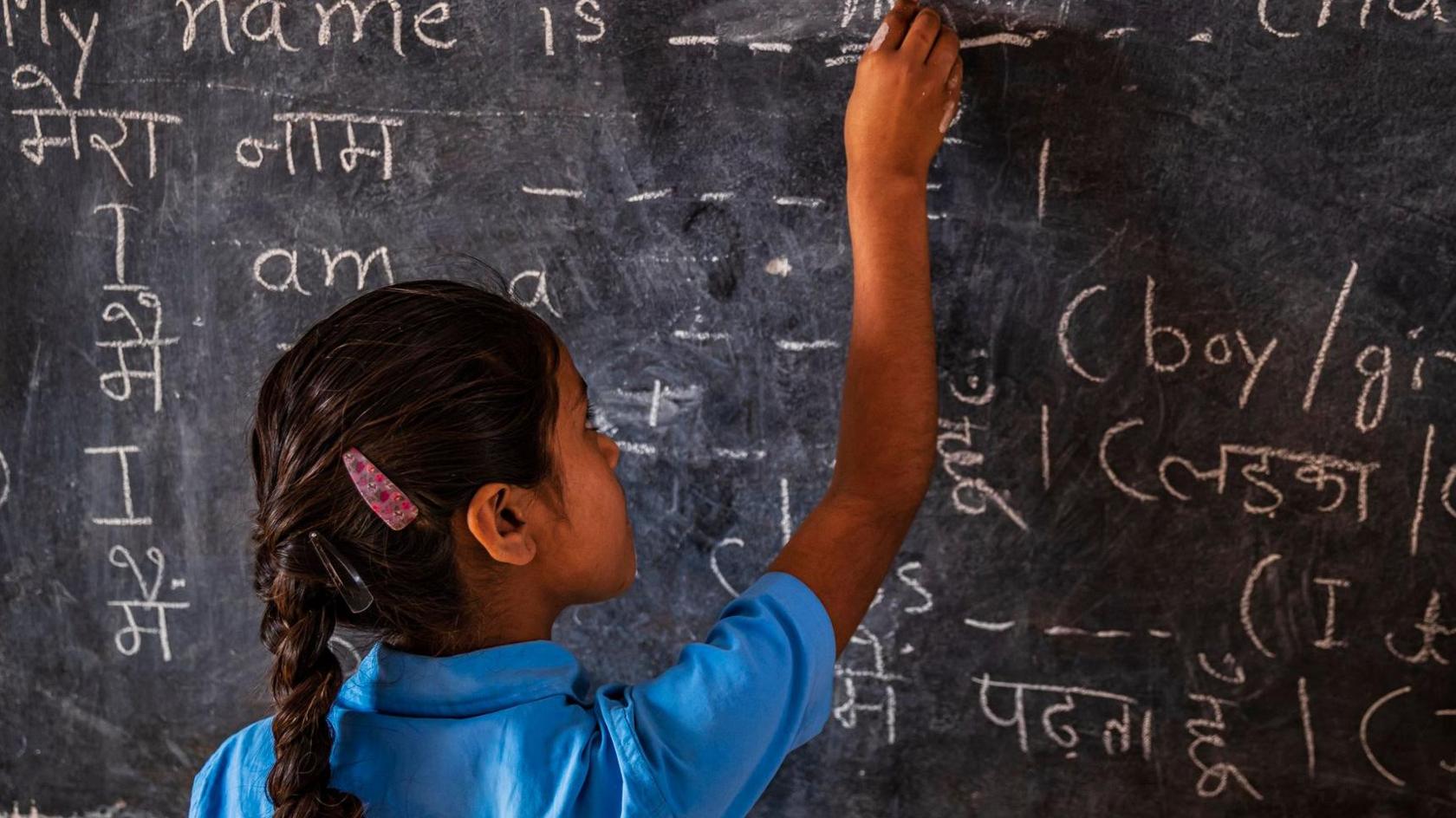
Visible from the street, the white‑washed walls of a Faridabad primary school look new. Step inside and the picture changes: roofs sague above desks, dust‑filled windows, and puddles after the monsoon. Toilets that no longer function, and nine classrooms, only half of which are deemed safe for students.
\India spends about 4.1 percent of its gross domestic product on education, barely resting on UNESCO’s 4 percent minimum. Most nations—France, Germany, Australia, Brazil and the United States—allocate more than five percent. The National Education Policy of 2020 recommends a 6 per cent target; many schools still function with broken plaster and flooded halls. Between 2014 and 2025, government records show 94,000 schools were shut, citing unsafe buildings, merged classes or lack of teachers.
\The online, satirical Cockroach Janta Party (CJP) first made headlines with a week of protests in Delhi that forced Education Minister Dharmendra Pradhan to resign. Their latest effort, #FixTheSchool, taps into the same themes: students and parents demanding clean water, functioning toilets, desks and electric boards for digital lessons. Instagram videos from 20 rural schools show shallow ceilings, broken benches, and kids taking lessons on the floor.
\Local teachers point to a growing problem in staffing. A primary in Khedi Kalan has 910 students but only 40 teachers; many are assigned to voter registration or census duties, leaving merely six to conduct over‑night lessons. In Turn-off for boys’ or girls’ schools, teachers have asked for time on Facebook: do you want your children educated at a primary school or in a pre‑paid private centre?
\Social media has amplified the crisis. A video of students demolishing a plastic bridge outside a school in Maharashtra went viral, forcing local authorities to repair the road. In Uttar Pradesh schoolgirls faced magistrate’s office, demanding safer paths. Videos of children using classrooms as drop‑off points for cycles, or standing in verandas while unfinished structures stand behind them, have started a national conversation.
\Despite the outcry, no official response has yet been issued. While the Prime Minister’s administration remains silent, the BBC and other journalists are demanding a statement. The movement’s momentum lies in its ability to mobilise ordinary citizens and in the hope of delivering a nationwide overhaul of India’s education infrastructure.
\The plight of Khedi Kalan’s schools—once the only institutions from that day, now abandoned from lack of safety—mirrors a larger trend. Rural children, many from marginalized communities or migrant workers, congregate under sagging walls, hoping the flurry of online protests will translate into real changes. For now, the #FixTheSchool hashtag remains a promise to bring better classrooms to the next generation.
\